
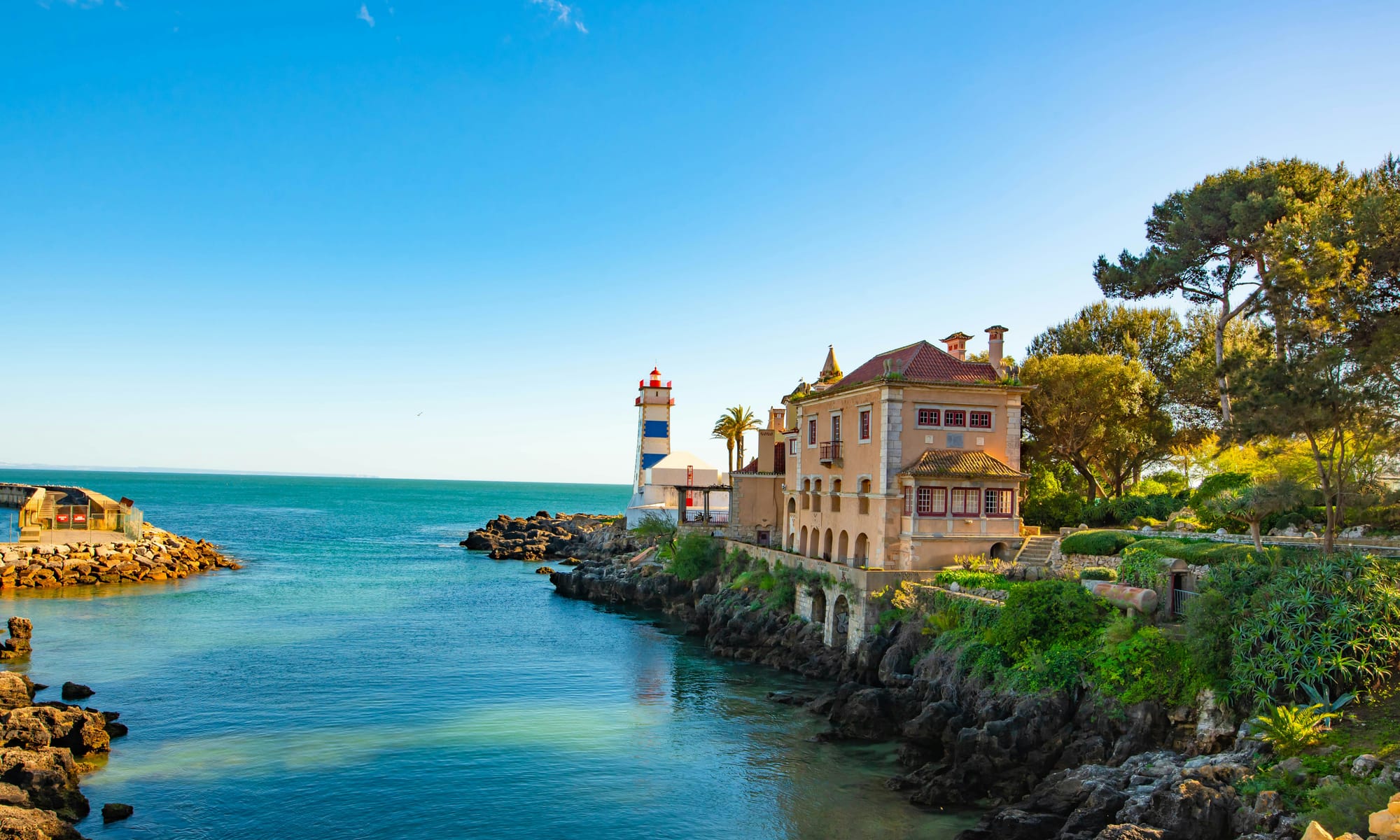
The best time to visit Portugal
The best time to visit Portugal is late April to June, and mid-September to early October. The weather is warm and settled, the days are long, and the crowds are thinner than in July and August. These months suit almost every kind of trip.
If you want the beach, aim for June or September. The Algarve sea is cooler than the Mediterranean, so it warms slowly and is at its warmest in August and early September. If you want the grape harvest, go in September. If you want quiet cities and lower prices, go between November and February, and pack a warm coat for the north.
This guide covers each season, a month-by-month table, and how we plan trips around the calendar. The short answer is simple. Pick May, June, September or October for an all-round trip. For the wider picture, read our visit Portugal guide.
Spring in Portugal (April to June)
Spring is green, mild and easy. In April and May, daytime highs are usually around 18–22°C (64–72°F). The hills are full of wildflowers, the vines are in leaf, and Lisbon is pleasant to walk without the summer heat.
Sintra is at its best in spring. The palace gardens are in flower, and the morning mist usually lifts early. Arrive before the tour coaches, which tend to reach the hilltop by mid-morning. Our Sintra days are planned around that.
Late May is a good time to start. June brings long evenings, a warmer sea and the festivities in Lisbon, which we cover below. Easter can bring extra visitors, so book early if your dates fall around it.
Autumn in Portugal: the harvest (September to early October)
September is the month to go for the Douro Valley. The grape harvest, called the vindima, usually runs from about mid-September to early October. Pickers work the terraces, and some quintas still tread grapes by foot in granite tanks called lagares.
The sea is still warm in early September, and the coast quietens once the school holidays end. October is crisp, with autumn colour in the vines and fewer visitors on the valley trains. The Douro Valley is at its most beautiful in this window.
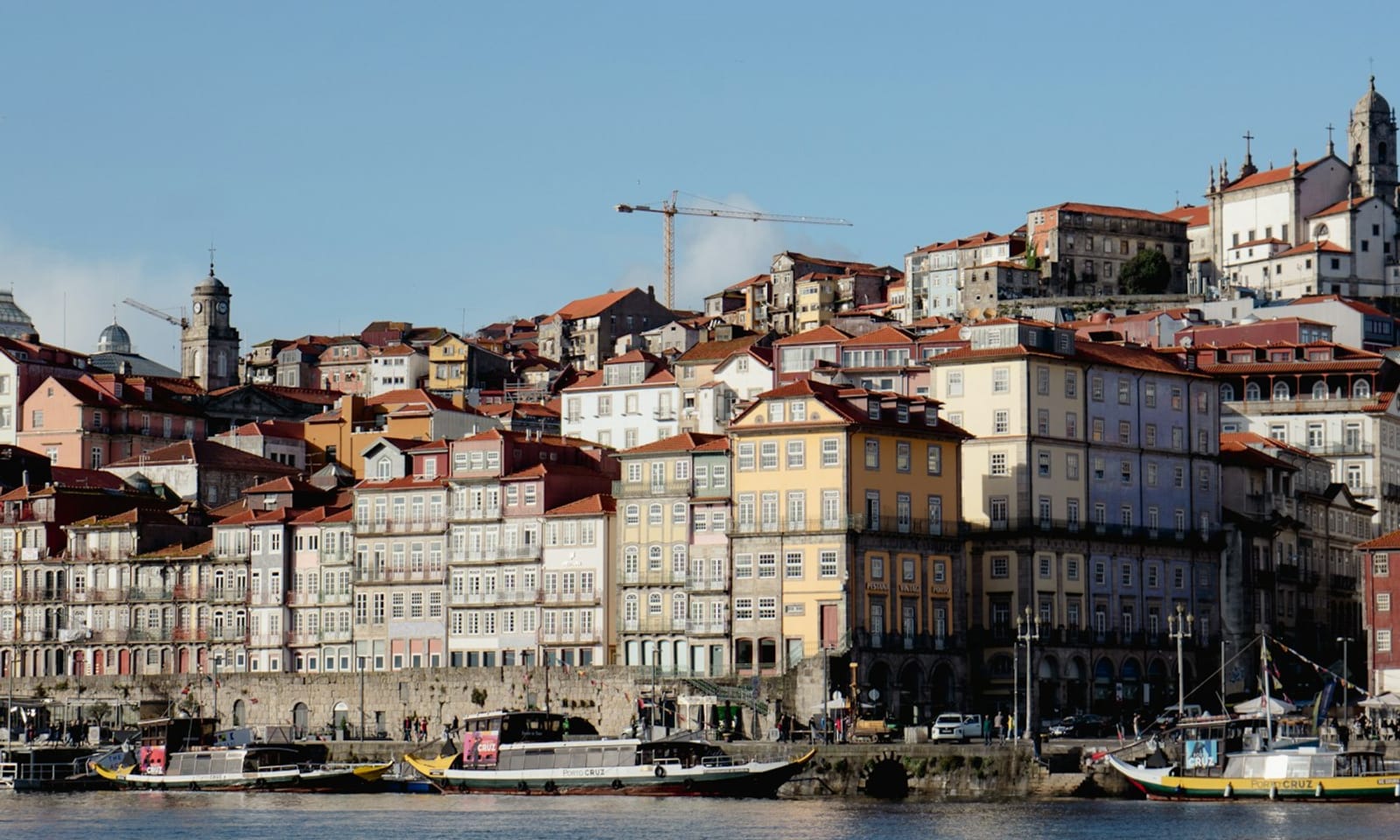
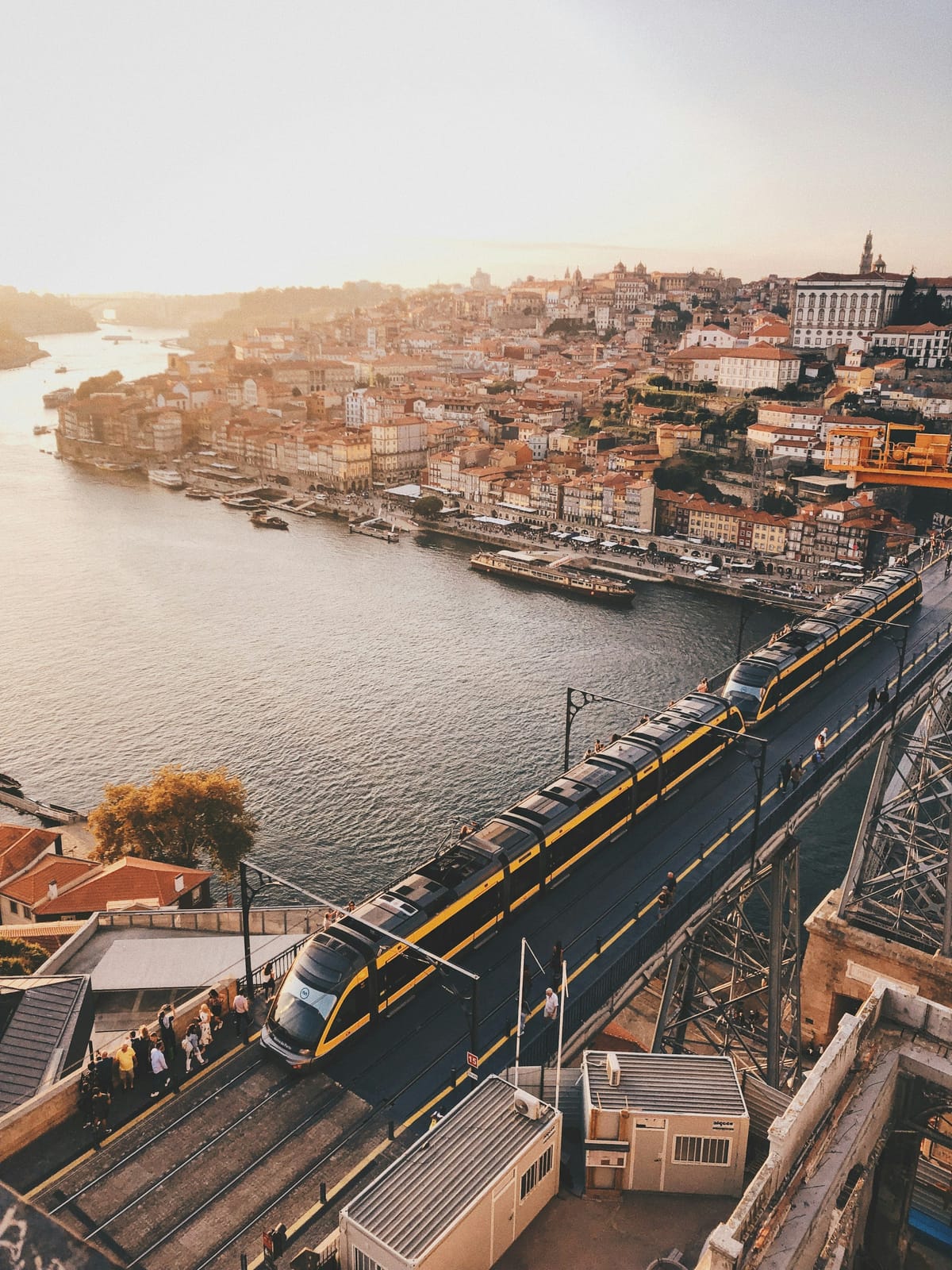
Porto is at its best in autumn too. Walk the Ribeira waterfront at dusk, when the painted houses light up above the river and the boats are moored along the quay. Then cross to the wine lodges in Vila Nova de Gaia for a tasting. Our Porto stays are close to the river for exactly this reason.
Summer in Portugal: the Algarve and the heat (June to August)
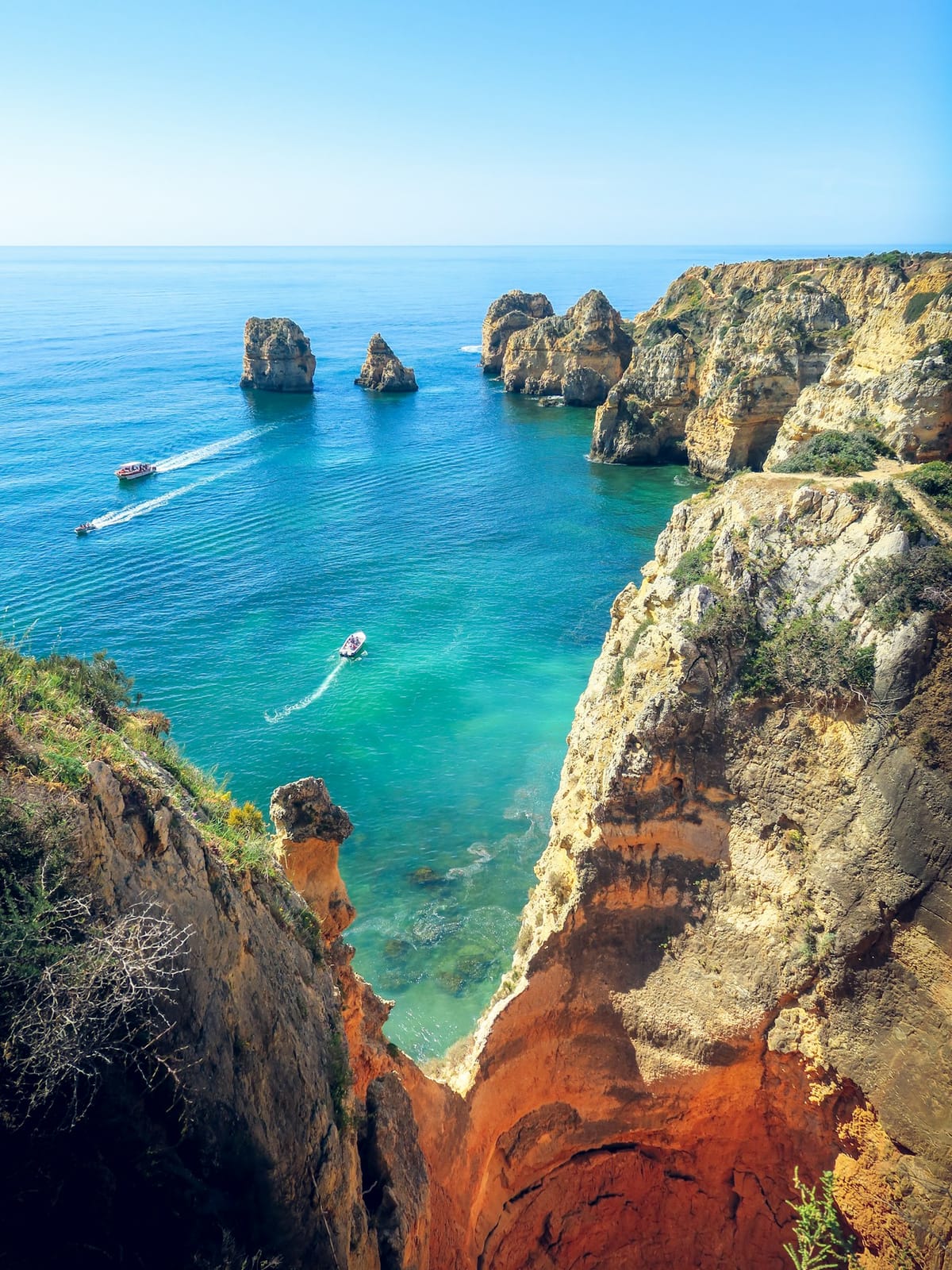
Summer is beach season, and the Algarve is where it happens. The south gets more sun than anywhere else in the country. The cliffs near Lagos and Ponta da Piedade are at their busiest from July to August, so go early in the morning or stay for the evening.
The Atlantic is cooler than the Mediterranean. In June the sea is usually around 18°C (64°F). By August it can reach about 21–22°C (70–72°F), which feels warm once you are in. Pack a light layer for the clifftops, where the wind picks up even on hot days.
The Alentejo is a different story. Its plains around Évora are hot and dry in July and August, and days can pass 35°C (95°F). See the cities early and late in the day, and spend the middle of the afternoon in the shade.
Lisbon is hot but workable in summer, around 28–29°C (82–84°F) in July and August. Evenings stay warm and long, which suits a late dinner outdoors. Our South of Portugal trip is built for this season.
Lisbon in June: the Santo António festivities
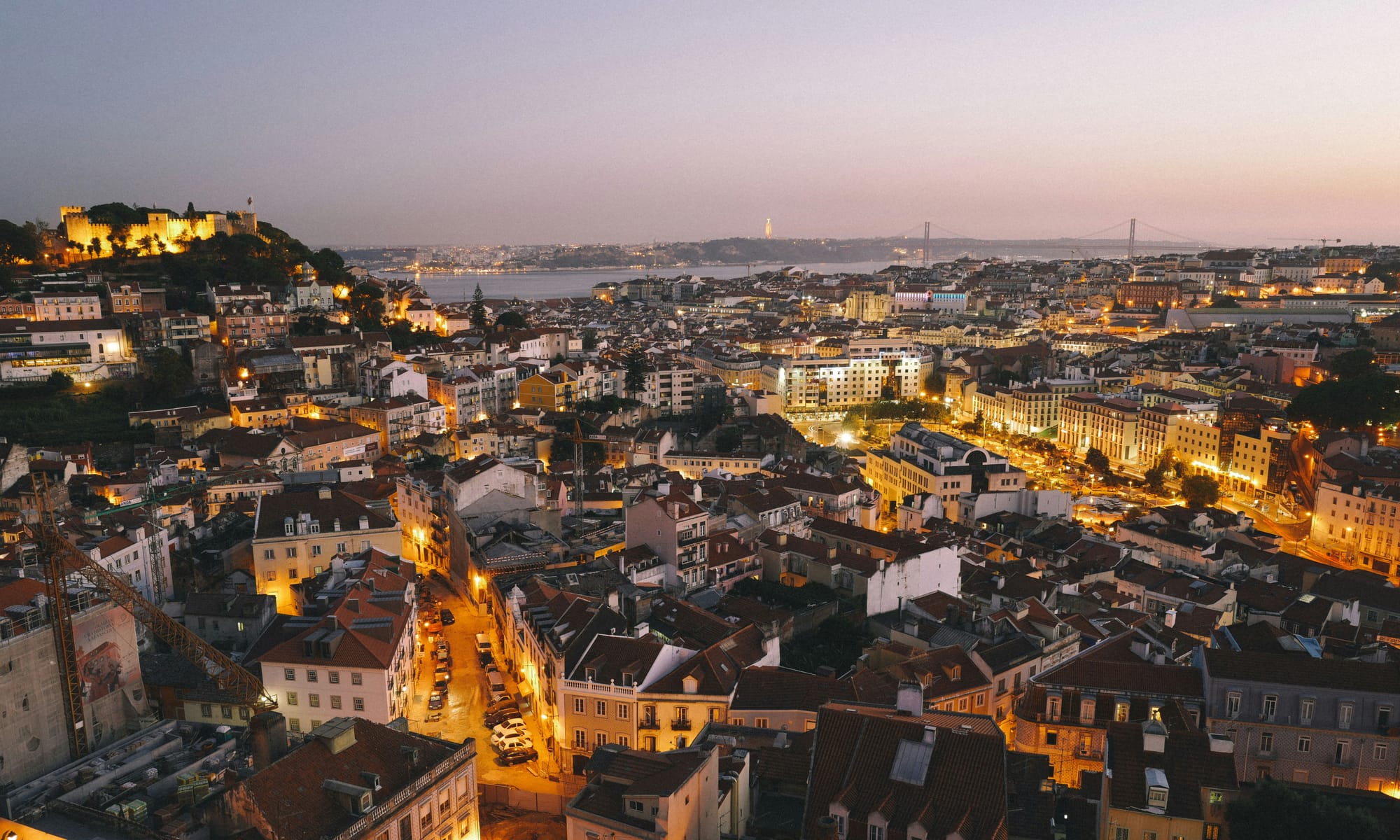
June is Lisbon's party month. The festivities for Santo António, the city's patron saint, run through the month and peak on the nights of 12 and 13 June. The old neighbourhoods of Alfama and Mouraria fill with music, street stalls and grilled sardines, the festival's signature dish.
Locals hand out small pots of basil, each with a paper carnation pushed into the leaves. Dance parades, the marchas populares, take over the avenues. It is loud, late and warm. Our Lisbon days are planned so you can enjoy the streets without losing your sleep.
Go in June if you want the party and the long nights. Go in late May or October if you want quieter museums and calmer evenings. Either way, book your rooms early, because the city fills fast for these dates.
Winter in Portugal: rain in the north, mild in the south (November to March)
Winter is quiet, damp in the north and mild in the south. Porto and the north get the most rain, usually from November to February. Lisbon is milder. The Algarve is the warmest part of the country, with January days around 15–17°C (59–63°F).
The upside is space. Museums, churches and wine lodges are quiet, and hotel rates are usually lower outside the Christmas and New Year weeks. November brings the olive harvest, and December brings lights to the city streets.
The trade-off is that some coastal hotels and seasonal restaurants close for the winter. The Algarve is good for long walks in winter, but not for swimming. Check opening dates before you book.
If you travel in winter, keep the Douro for a dry, bright day. The views from the terraces are best when the sky is clear.
Month by month at a glance
| Month | Weather | Crowds | Good for |
|---|---|---|---|
| January | Cool. Mild in the south, cold and wet in the north | Low | Quiet museums, Algarve walks |
| February | Cool and damp, with rain in the north | Low | Quiet cities, lower rates |
| March | Mild, some showers, spring starting | Low, building | Gardens and early spring walks |
| April | Mild and green | Moderate | Sintra gardens, city walks |
| May | Warm and sunny | Moderate | Lisbon, the Douro, long days |
| June | Warm. Sea around 18°C (64°F) | Busy | Santo António in Lisbon, late evenings |
| July | Hot inland. Coast warm and breezy | Very busy | Algarve beaches, early starts |
| August | Hottest month. Sea around 21–22°C (70–72°F) | Peak | Algarve swimming, quieter mornings in the cities |
| September | Warm and settled | Busy, easing | Douro harvest, warm sea |
| October | Mild and crisp | Moderate | Autumn colour, the Douro, fewer crowds |
| November | Cooler and wetter, especially in the north | Low | Olive harvest, quiet cities |
| December | Mild in the south, cold and wet in the north | Moderate (holidays) | Festive lights, cosy restaurants |
It depends where you are going
Portugal is small, but its regions keep different calendars. Lisbon and Sintra are best in spring and autumn, when the hills are green and the city is not too hot. Porto and the Douro are best in September and October, for the harvest and the light.
The Algarve wants June to September for the sea. The Alentejo suits spring and autumn, unless you enjoy heat. Madeira and the Azores have their own climates and are not covered in this guide.
If you are pairing Portugal with Spain, our Spain and Portugal trip covers Barcelona, Madrid, Lisbon and Porto. Spring and autumn suit that route best, when the cities are warm and the days are comfortable for walking. You can see all of our Portugal trips in one place.
How we plan around the seasons
We plan Portugal around your dates, not a fixed departure. That might mean the Douro in September for the harvest, the Algarve in June for warmer water, or Lisbon's cooler mornings in summer. Tell us roughly when you can travel, and we will say honestly where Portugal is at its best that month.
For a first trip, our Essence of Portugal and Best of Portugal cover Lisbon, Sintra, Porto and the Douro. If you want more of the coast, South of Portugal takes you to the Algarve and Cape St. Vincent. North of Portugal gives the Douro more time.
Not sure how long to stay? Read our 7-day Portugal itinerary, 10-day Portugal itinerary or 14-day Portugal itinerary. A real person on our team stays your contact from the first email to the flight home.
Frequently asked questions
What is the best month to visit Portugal?
For most travellers, late May to June and September to early October are the best months. September is the month for the Douro harvest. May is good for quieter cities and green hills.
When is the cheapest time to visit Portugal?
November to February is usually the cheapest, outside the Christmas and New Year weeks. Expect rain in the north, and check which coastal hotels and restaurants are open before you go.
When is the Douro grape harvest?
The harvest, called the vindima, usually runs from about mid-September to early October. The exact dates shift with the weather each year, so tell us your dates and we will check.
Is the Algarve warm enough to swim in June?
Yes, but the Atlantic is cool. In June the sea is usually around 18°C (64°F), which is brisk. August and early September are warmer, around 21–22°C (70–72°F).
When is Santo António in Lisbon?
The festivities run through June, with the main nights on 12 and 13 June. Expect street parties, grilled sardines and busy restaurants in Alfama and Mouraria.
Is Portugal too hot in summer?
Lisbon and Porto can be warm, around 28–29°C (82–84°F) in Lisbon in July and August, but sea breezes help on the coast. The Alentejo, inland, can pass 35°C (95°F), so plan the middle of the day indoors.
 Quick cookie chat