
The short answer
Tokyo to Osaka in ten days: four nights in Tokyo (with a day trip to Nikko) to understand the city's ancient and modern layers, one night in the mountains at Hakone with Mt Fuji reflected in the lake, three nights in Kyoto for the temples, gardens and old wooden streets, and one final night in Osaka for the food culture before departure. The Shinkansen bullet train connects the major cities in hours — Tokyo to Kyoto takes about two hours and fifteen minutes. This is the right pace for a first visit that doesn't rush past any of it.
Day-by-day route
| Day | Base | What you do |
|---|---|---|
| 1 | Tokyo | Arrival, neighbourhood walk, welcome dinner |
| 2 | Tokyo | Senso-ji in Asakusa, Yanaka neighbourhood, teamLab Borderless |
| 3 | Tokyo | Shibuya, Harajuku, Meiji Shrine, Omotesando, Roppongi Art Museum |
| 4 | Tokyo | Nikko: Tosho-gu shrine complex with 13,000 cedar trees, return to Tokyo evening |
| 5 | Hakone | Hakone Open-Air Museum, Mt Fuji reflection in Ashinoko Lake, ryokan with kaiseki dinner |
| 6 | Kyoto | Shinkansen to Kyoto, Fushimi Inari's ten thousand torii gates, Gion evening |
| 7 | Kyoto | Arashiyama bamboo grove, Tenryu-ji Zen garden, Nijo Castle nightingale floors, Nishiki Market |
| 8 | Kyoto / Nara | Nara day trip: sacred deer, Todai-ji Great Buddha, Kasuga Taisha lanterns, Isui-en garden |
| 9 | Osaka | Shinkansen to Osaka, Dotonbori food street, Osaka Castle, Kuromon Ichiba market |
| 10 | Osaka | Final morning at leisure, transfer to Kansai International Airport |
Tokyo (Days 1–4): The ancient and the hyper-modern
Your private driver meets you at Narita or Haneda Airport and delivers you to your hotel in Shinjuku, Shibuya, or Asakusa depending on your preference — Asakusa for old Tokyo atmosphere, Shinjuku for central convenience. The afternoon at leisure: the first walk, the first bowl of ramen at a counter where you order by vending machine, the first experience of Japanese convenience stores where the quality and variety of ready food would pass for a restaurant elsewhere.
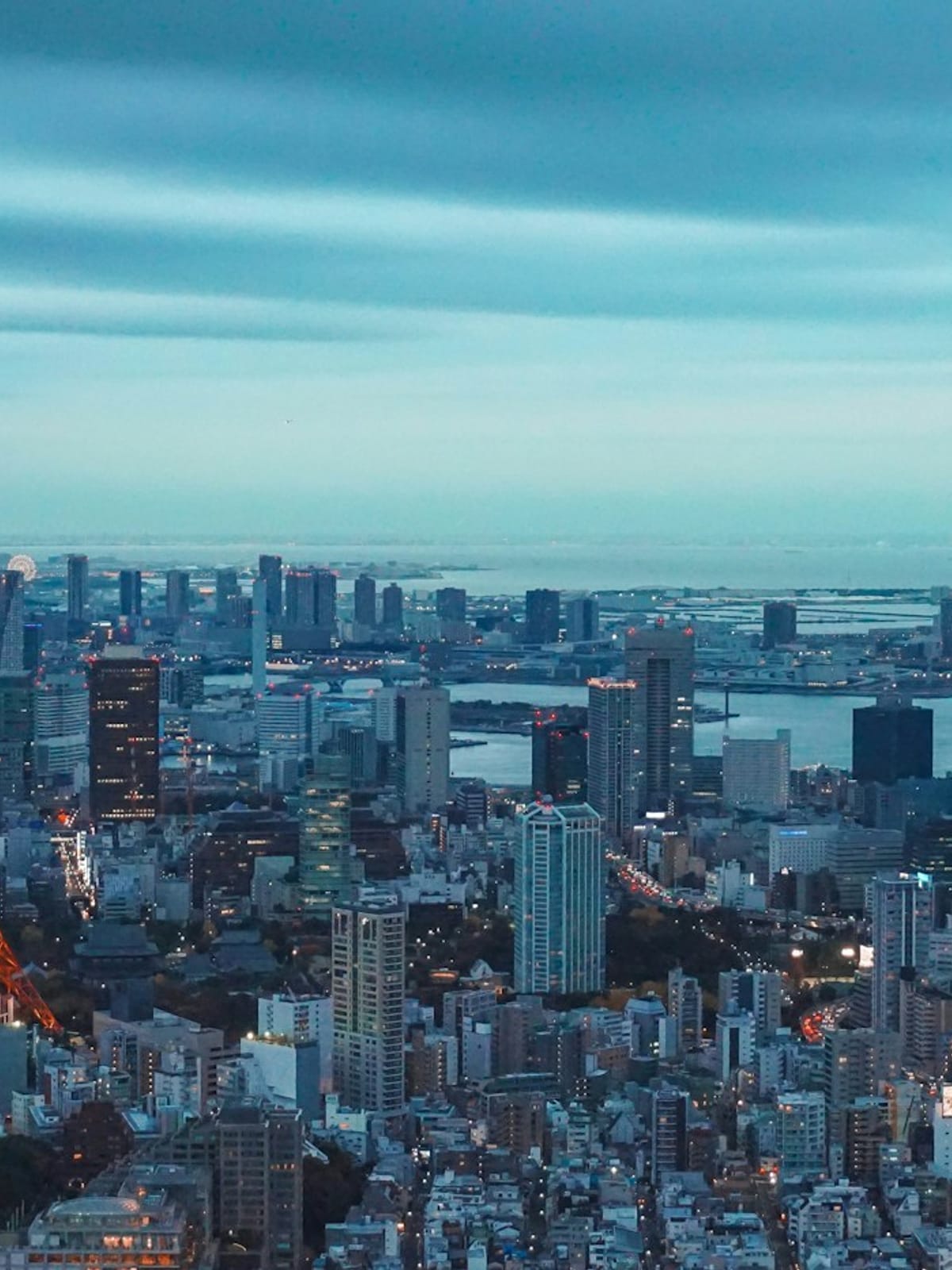
Your Tokyo specialist guide works across three days. Asakusa is where Tokyo began: the Senso-ji temple founded in 645 AD, the Nakamise shopping street, the Kaminarimon gate with its four-metre paper lantern. The Sumida River, Tokyo Skytree (634 metres above the city), and Yanaka — the old merchant quarter that survived the 1923 earthquake and 1945 firebombing. The second day covers the modern city: Shibuya Scramble (3,000 people crossing simultaneously), Meiji Shrine in the zelkova forest, Harajuku's creative fashion extremity, Omotesando's designed retail street, and the Mori Art Museum at the top of Roppongi Hills tower. The evening shows Tokyo's food culture at the depachika food halls of Ginza department stores.
Nikko and Hakone: The mountains and Mt Fuji
Nikko is two hours north of Tokyo by private vehicle. The Tosho-gu shrine complex is the mausoleum of Tokugawa Ieyasu, the shogun who unified Japan. The Yomeimon gate alone has 508 carved animals, including the famous sleeping cat and the three wise monkeys. The forest of 13,000 Japanese cedars planted in the 17th century surrounds it. The Rinno-ji temple has three golden Buddhas. The cedar avenue from the Shinkyo Sacred Bridge to the uppermost shrines is one of Japan's most atmospheric walks.
Hakone is ninety minutes southwest of Tokyo by private vehicle. Ashinoko Lake reflects Mt Fuji in its surface on a clear morning — the sight that explains why this mountain is the central image of Japanese art since the 17th century. The Hakone Open-Air Museum has works by Rodin, Picasso, and Henry Moore set in volcanic landscape. The defining experience is the traditional ryokan: tatami rooms, yukata robes, the multi-course kaiseki dinner served in your room, the onsen bath fed by Hakone's volcanic water, and the specific etiquette your guide explains in advance.
Kyoto (Days 6–8): The ancient capital and the monastic valley
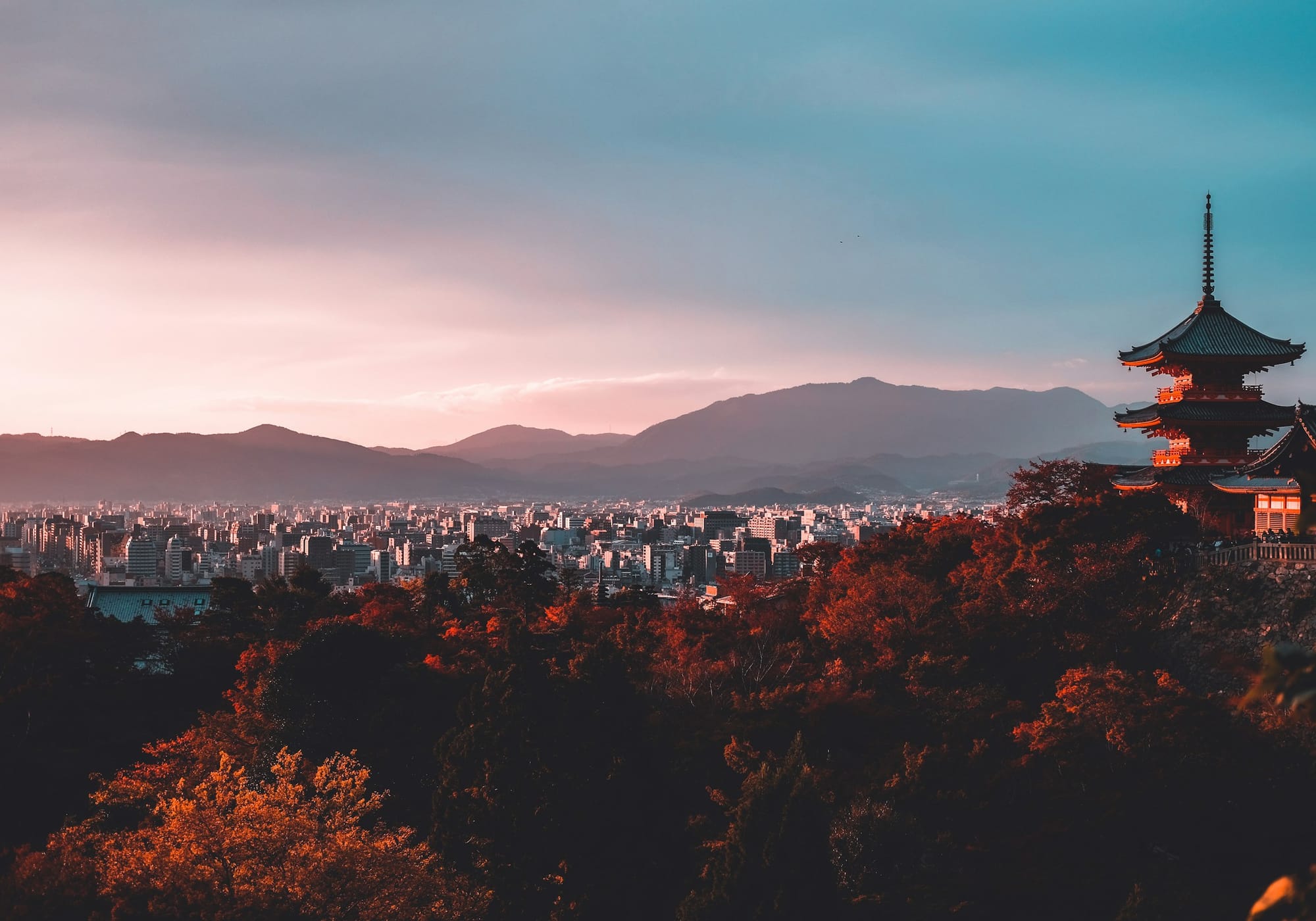
The Shinkansen from Odawara to Kyoto takes under two hours. Kyoto was Japan's imperial capital for a thousand years and was deliberately spared from 1945 firebombing because of its cultural importance. 1,600 temples, 400 shrines, seventeen UNESCO World Heritage Sites, and the intact geisha districts where maiko still walk to their engagements.
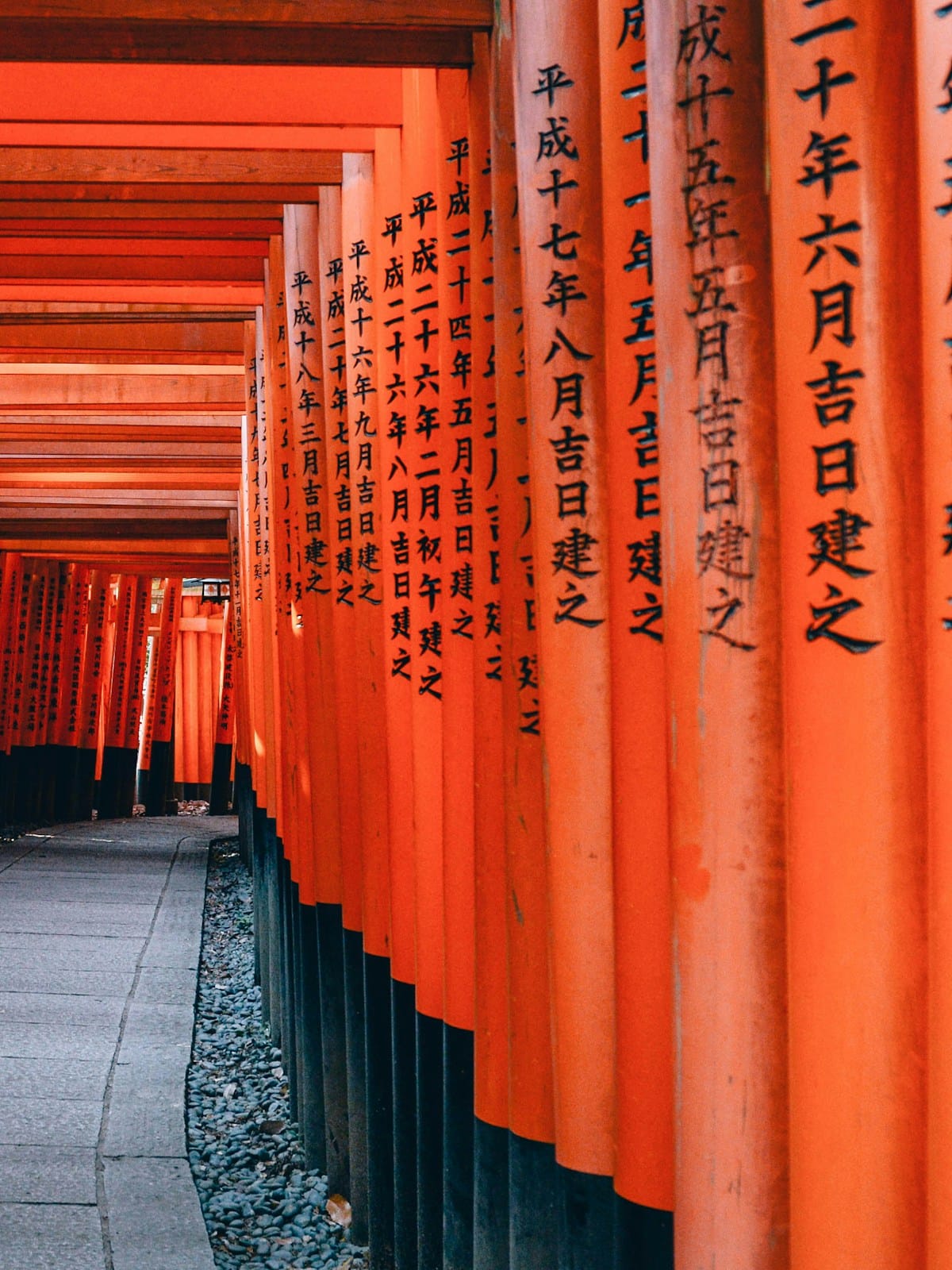
Fushimi Inari Taisha is the most recognisable image from Japan — ten thousand vermillion torii gates ascending the mountain. The lower gates are busy; two hours up the forest path is quiet and the forest closes around you. Gion in the evening: the machiya townhouses where geiko work. The second day is Arashiyama's bamboo grove (visit before nine to avoid tour groups), the Tenryu-ji Zen garden (considered the finest in Japan when created in 1339), Nijo Castle with its nightingale floors, and the Nishiki Market selling pickles and tofu with Kyoto's characteristic precision.
Nara is forty minutes from Kyoto by train — Japan's first permanent capital, home to 1,200 sacred deer that roam freely and approach visitors for the special crackers sold throughout the park. Todai-ji is the Great Buddha Hall, the largest wooden structure on earth with a 15-metre bronze Buddha cast in 743 AD. Kasuga Taisha shrine has 3,000 lanterns lit twice a year. The Isui-en garden frames the Great Buddha Hall perfectly.
Osaka (Days 9–10): The city that eats
The Shinkansen from Kyoto to Osaka takes thirty minutes. Osaka is the anti-Kyoto: loud, commercial, self-deprecating, devoted to food in a way that has its own name — kuidaore, 'eat until you drop'. Dotonbori canal district is the most concentrated food street in Japan: takoyaki (octopus balls), okonomiyaki (savoury pancake), kushikatsu (deep-fried skewers), and restaurants serving Osaka soul food for generations.
Osaka Castle sits within the original 16th-century stone walls and moat built by Toyotomi Hideyoshi to unify feudal Japan. The Kuromon Ichiba market is the city's kitchen for two hundred years. Shinsekai is the 1912 entertainment district whose Tsutenkaku Tower has been Osaka's symbol since rebuilding in 1956. Dinner is at a restaurant your guide recommends for the specific Osaka cuisine you've been building toward all week. The final morning in Osaka is at your own pace — the neighbourhood streets, a local coffee shop where the morning set is a carefully constructed ritual, or the Kuromon market at opening.
Where to base yourself
Tokyo: Shinjuku is central and convenient, with excellent train connections. Shibuya is younger and busier. Asakusa puts you in old Tokyo with temple atmosphere. All have good hotels and easy access to the surrounding city.
Hakone: Stay in Hakone town or Gora, both with direct access to Ashinoko Lake and the ryokan properties. The transfer from Tokyo takes ninety minutes by vehicle.
Kyoto: City centre hotels offer convenience; Higashiyama area hotels put you in the historic district near temples and Gion. Either has walking access to the main sights.
Osaka: Shinsaibashi or Dotonbori area is central for food and evening life. The main sights are accessible by local train from either neighbourhood.
Ways to adjust this itinerary
Go slower in one place: Skip Nikko and spend the extra night in Hakone, or give Kyoto four nights instead of three and skip the Nara day trip. The route is most enjoyable when you have time in each place.
Add the Japanese Alps: Replace Hakone with Kanazawa and the Alps region (Kamikochi, Shirakawa-go). This gives more landscape and cultural distance from the cities, though it requires longer transfers.
Extend to a second week: Add Hiroshima (the Peace Memorial) and Miyajima (the torii gate rising from the sea), or return to Kyoto for the full temple circuit and day trips to smaller towns like Uji.
How we plan your ten-day Japan itinerary
Every Black Deer Travel trip is private and custom. Your guides in each city are locals who can explain what you're looking at. Your itinerary is built around your calendar, your interests (temples versus food versus architecture), and your preferred pace. A real human responds within one working day with a personalised proposal, exact pricing, and the guide's background. No obligation.
Frequently asked questions
Is ten days the right length for Japan?
Ten days is ideal for a first visit that covers the classical circuit without rushing. Four nights in Tokyo, one night in the mountains, three in Kyoto, and one in Osaka gives enough time in each place to go beneath the surface. If you can only do nine days, skip Nikko or reduce Osaka to a same-day visit. If you have two weeks, extend Kyoto to four nights or add Hiroshima and Miyajima.
What is a ryokan?
A traditional Japanese inn — tatami mat rooms, futon bedding, a multi-course kaiseki dinner served in your room, and access to onsen hot spring baths. The etiquette (removing shoes, wearing yukata, the correct onsen use) is explained by your guide in advance. It is one of Japan's most distinctive experiences and worth the cultural unfamiliarity.
How much walking is involved each day?
Moderate to substantial. Tokyo requires walking on hard pavement. Temple grounds and gardens involve steep steps and uneven paths — comfortable walking shoes are essential. The Fushimi Inari torii tunnel involves a two-hour climb (the lower gates are accessible to all). Plan for three to five hours of walking per day, with afternoons often at leisure in your hotel.
Can I do this itinerary in a different season?
Yes. This route works year-round. Spring (April–May) has cherry blossoms and mild weather. Summer is hot inland but beautiful in the mountains. Autumn (September–October) is many people's preference — warm, settled weather with thinner crowds. Winter is the quietest season but the north is cold and some mountain areas have limited access.
What is the Shinkansen like?
The bullet train is fast, precise, and arrives to the minute promised. Tokyo to Kyoto takes about two hours and fifteen minutes. The trains are clean, comfortable, and designed to allow you to see the landscape. You board, find your seat number, and the journey is smooth and quiet. It's one of the highlights of the Japan experience.
Do I need a Japan Rail Pass?
It depends on your group size and itinerary. A seven-day JR Pass covers the Shinkansen and most trains but must be purchased before arrival. For this specific itinerary, whether a pass or individual tickets is more economical depends on your group and travel dates — we will calculate the exact cost and recommend the best option.
 Quick cookie chat