
The route at a glance
Ten days in Italy means three cities (three nights in Rome, four in Florence, two in Venice) and one full day into the Tuscan countryside. Rome gives you ancient history and baroque grandeur. Florence provides Renaissance art and proximity to the hills — spend a day in Siena and the Val d'Orcia. Venice concludes the journey on the water. This is the route most first-time visitors choose, and it remains the most natural way through Italy: you work south from Venice or north from Rome, and the cities build on each other in a way that feels inevitable.
Day-by-day breakdown
| Day | Base | What you do |
|---|---|---|
| 1 | Rome | Arrive at Fiumicino. Private transfer to your hotel in the historic centre. Afternoon at leisure: Pantheon, Trevi Fountain, Piazza Navona, or simply wander and settle in. |
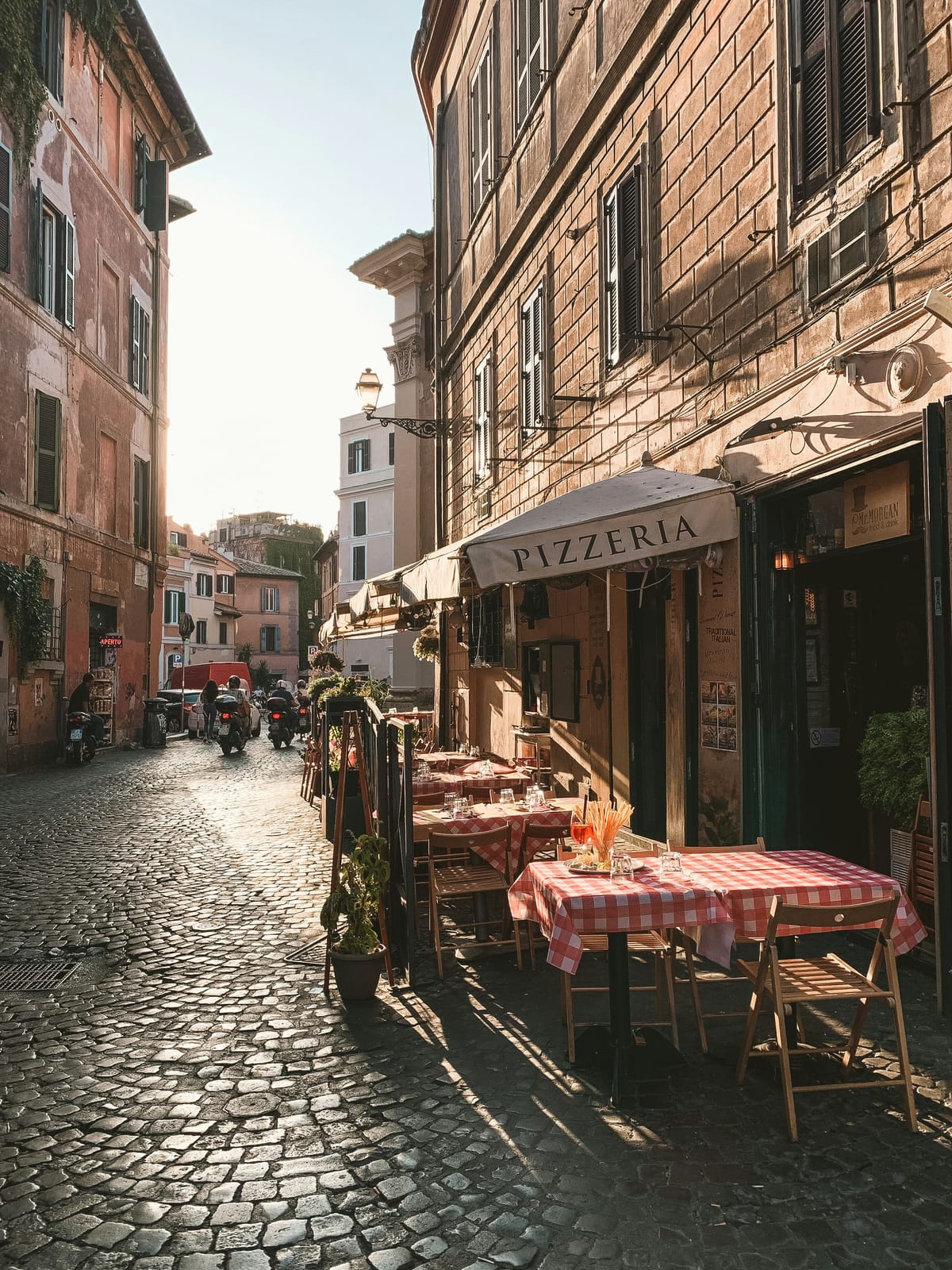
| 2 | Rome | Private guide for Rome's baroque circuit: Piazza Navona and Bernini's Four Rivers Fountain, Spanish Steps, Trevi Fountain in the afternoon, Trastevere for evening. |
| 3 | Rome | Archaeologist guide for the Roman Forum, Palatine Hill, and Colosseum with skip-the-line access. Afternoon free or Vatican Museums and Sistine Chapel if preferred. |
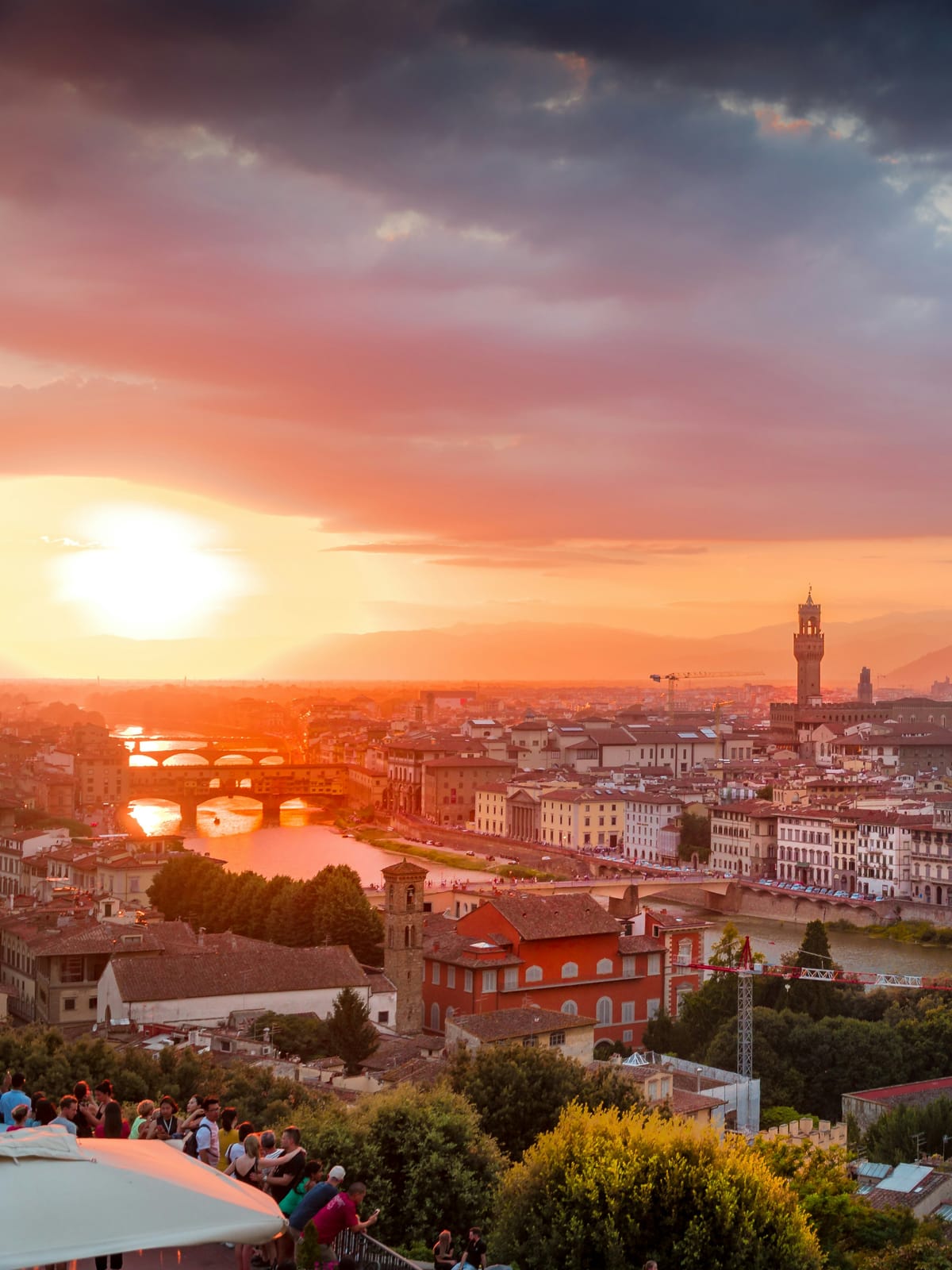
| 4 | Florence | High-speed train Rome to Florence (1h 30m). Settle in. Afternoon in the Oltrarno or a walk across Ponte Vecchio to watch the sunset. |
| 5 | Florence | Art historian guide for the Uffizi Gallery (Botticelli, Leonardo, Raphael) and Accademia (Michelangelo's David), or at a slower pace through the Baptistery and Duomo. |
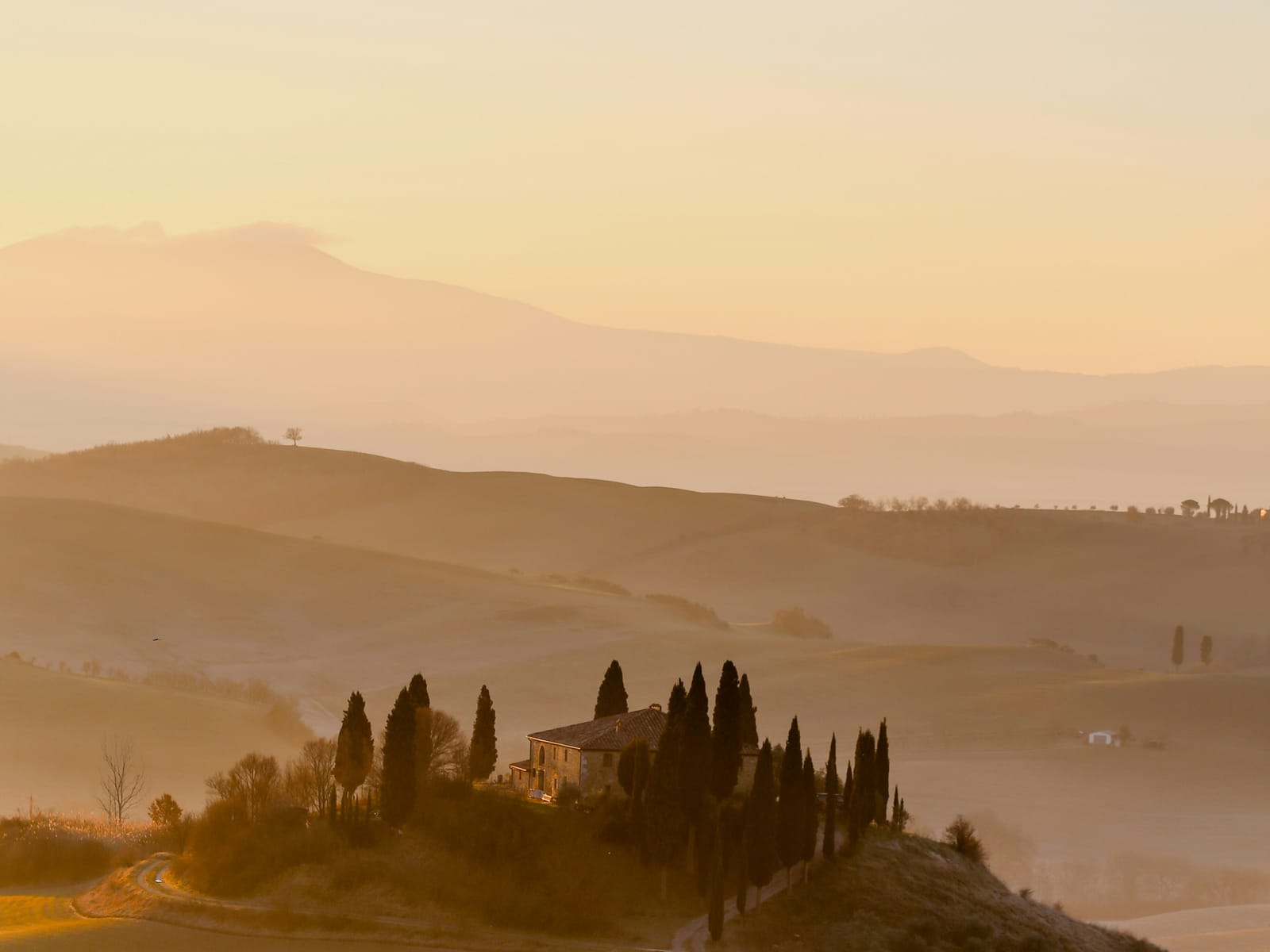
| 6 | Tuscany | Private driver through Chianti to San Gimignano's medieval towers (14 still standing) and Siena's Piazza del Campo. Wine tasting at a family estate. Return to Florence evening. |
| 7 | Florence | Optional morning at the Medici Chapels, the Brancacci Chapel, or the leather workshops of Oltrarno. Alternative: slow breakfast and market wandering. |
| 8 | Venice | Train Florence to Venice (2 hours). Private water taxi arrival across the lagoon through the Grand Canal. Settle in. Evening cicchetti and Prosecco in a bacaro. |
| 9 | Venice | Art historian guide for St. Mark's Basilica (Byzantine mosaics and the Pala d'Oro) and Doge's Palace. Afternoon exploring Dorsoduro, the Scuola Grande di San Rocco, or back alleys. |
| 10 | Venice | Free morning: Rialto market at dawn, a gondola ride at dusk, or neighbourhood wandering. Afternoon departure or extend your stay — Venice rewards extra time. |
Rome — the opening
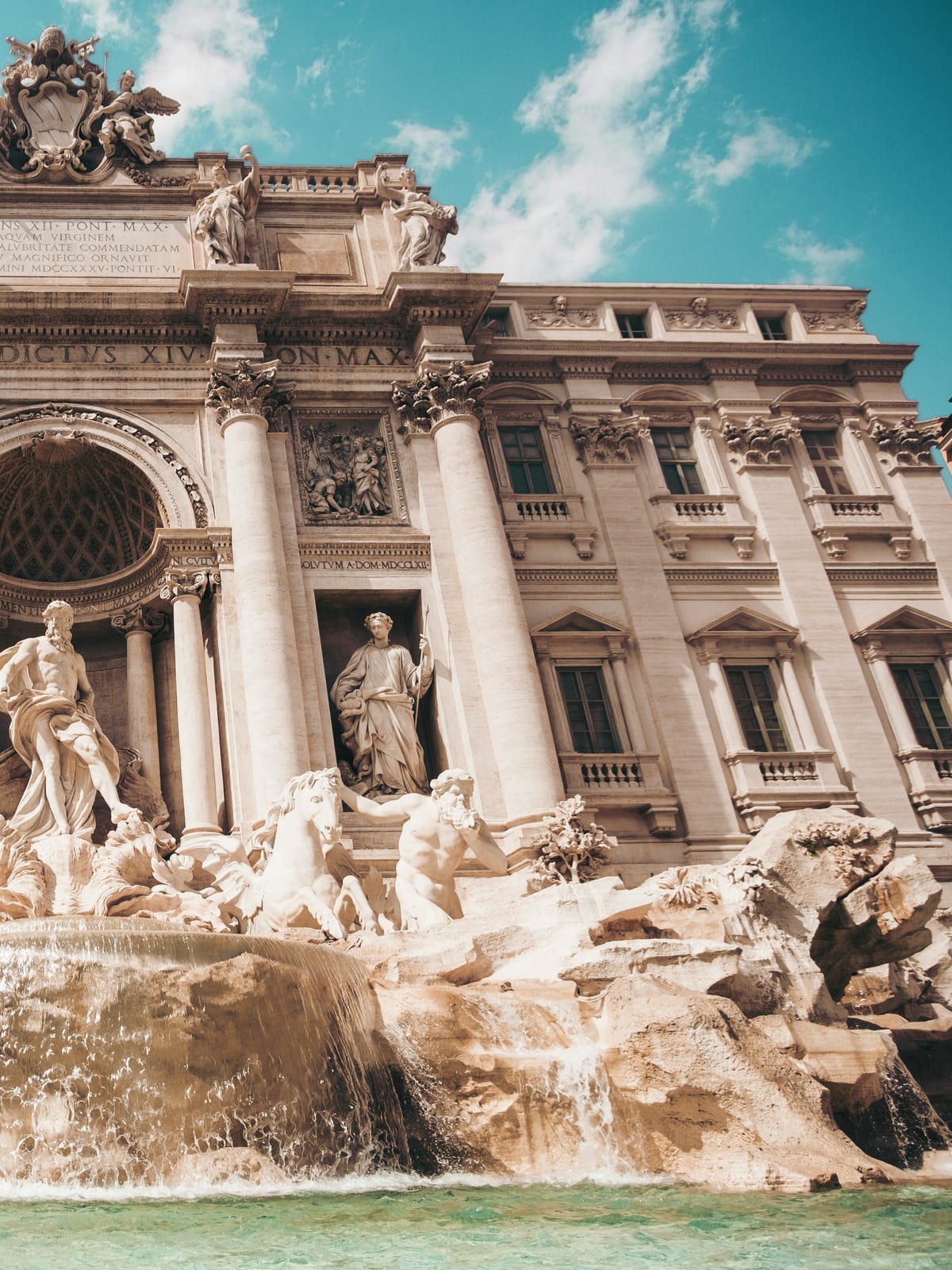
Three days in Rome is the minimum for the essential sights and enough time to feel the city's rhythm. Day one is arrival and settling in — the kind of afternoon where you follow the sound of water to the Trevi Fountain or stand under the Pantheon's oculus and understand why concrete was invented. Day two takes you through baroque Rome, the city built above the ancient one: Piazza Navona with Bernini's theatrical fountain, the Spanish Steps, the Trevi at dusk. Day three belongs to the Forum, the Colosseum, and the weight of two thousand years. The Vatican is a full day on its own, but if you prefer to add it here, skip the baroque morning and devote the afternoon to the Sistine Chapel and St. Peter's. Your archaeologist or art historian guide moves you through these spaces with context that photographs can't convey — the Forum becomes the city it once was, the Colosseum suddenly feels as massive as it is.
Florence — the art and the countryside
Florence for two days, with the third dedicated to the Tuscan hills. The first day covers the essential Renaissance: the Uffizi Gallery (Botticelli's Birth of Venus, Caravaggio, Raphael), the Accademia (Michelangelo's David), the Baptistery and the Duomo complex with Brunelleschi's dome. Your second Florence day is free — the Boboli Gardens, the leather workshops of the Oltrarno, or return to a museum you want to linger in. The Tuscany day is the one people talk about most when they return home. Your driver takes you into Chianti, stopping at San Gimignano to climb one of the surviving towers for a view that stretches to the horizon. Siena is the afternoon reward: the fan-shaped Piazza del Campo, the Duomo with its marble floor inlaid like a painting, and the narrow contrade neighbourhoods that still compete in the biannual Palio horse race. A private tasting at a Chianti Classico estate caps the day. Dinner is back in Florence, plenty of time before closing.
Venice — the finale
Venice is designed to be the last city, arrived at by water and experienced on foot. Your private water taxi meets you at Venice Santa Lucia station and takes you through the back channels first, narrow passages between buildings, before opening into the Grand Canal where the palazzi rise from the water unchanged from the last five hundred years. Two nights gives you one full day with a guide and a free last morning. The guided day covers St. Mark's Basilica (Byzantine gold mosaics accumulated over centuries of conquest), the Doge's Palace (where a republic governed the Mediterranean for a thousand years), and then the quieter Venice: the Zattere promenade in Dorsoduro, the Scuola Grande di San Rocco with its ceiling cycle of Tintorettos, the back alleys where locals still live. Your free time is for wandering: a gondola at dusk, the Rialto market at dawn, island-hopping to Murano and Burano if you choose, or simply the pleasure of getting lost in a city where every corner opens onto water or a hidden campo.
Ways to adjust this itinerary
Skip Tuscany and spend four nights in Florence: use the extra day for the Boboli Gardens, the Brancacci Chapel frescoes, the Medici Chapels, or a cooking class.
Add Assisi or Perugia between Florence and Venice for a night in Umbria's art and countryside.
Replace Venice with the Amalfi Coast: stop in Rome for three days, Florence for two, Tuscany for one, then drive south to the coast instead of north to Venice. The alternative tour is Rome & Amalfi.
Extend Rome or Venice by a night: any city in Italy rewards slowing down. An extra night in Rome allows a leisurely Borghese Gallery morning; an extra night in Venice lets you explore the lagoon islands.
Vatican option: Add a full day for the Vatican Museums and Sistine Chapel (skip something else or extend the Rome leg to four days).
How we plan it
This is the classic first Italy itinerary for good reason — it balances the three cities everyone wants to see, it moves at a pace that lets each place settle into you, and the sequence feels natural regardless of direction. We arrange the hotels (centrally located in each city), buy the train tickets, book the guides (art historians in Florence and Venice, archaeologists in Rome), arrange skip-the-line access at the major sights, and coordinate every transfer. We stay reachable throughout your trip and follow up afterward to hear which moment surprised you most.
Frequently asked questions
Should I do Rome first or Venice first?
Rome first (then Florence, then Venice) is most natural geographically — you work south to north. Venice first (then Florence, then Rome) reverses the flow but is equally valid. Many travellers prefer ending in Venice because arriving by water and departing by water feels like a proper conclusion. We can advise on flights and routing.
How much walking is involved?
Rome and Venice involve 3–5 hours of walking daily on cobblestones and uneven stone. Florence is mostly flat in the centre. The Tuscany day is mostly by private vehicle with walking in the towns. Comfortable, broken-in walking shoes are essential throughout.
Is Tuscany worth the time, or should I add more days in the cities?
The Tuscany day is worth it — the countryside is the part of Italy people remember most vividly. That said, if art museums are your passion, you could skip Tuscany and add a fourth Florence day. We adjust based on what matters to you.
Can I add the Amalfi Coast to this itinerary?
Yes — the extension adds 3 nights based in Sorrento. You would cut Venice and drive south from Rome instead of north. The combined itinerary (Rome, Florence, Tuscany, Amalfi) becomes a different but equally compelling trip. Our Rome & Amalfi and South of Italy tours show those variations.
When is the best time to do this 10-day trip?
April–June and September–October offer warm weather, long daylight, and manageable crowds in the cities. July and August are hot in Rome and Florence (35°C+) but Venice has sea breezes. Winter is quiet and peaceful, with shorter days and some coastal closures. Any season works — it's a question of your preference.
What's included in a planned trip like this?
Hotels (centrally located, chosen by us), all transport between cities (trains and drivers), daily breakfast, airport transfers, private guides in each city, skip-the-line tickets at the major sights, and an emergency contact number for the whole trip. Lunches, dinners, and optional activities are yours to choose.
 Quick cookie chat