
The route at a glance
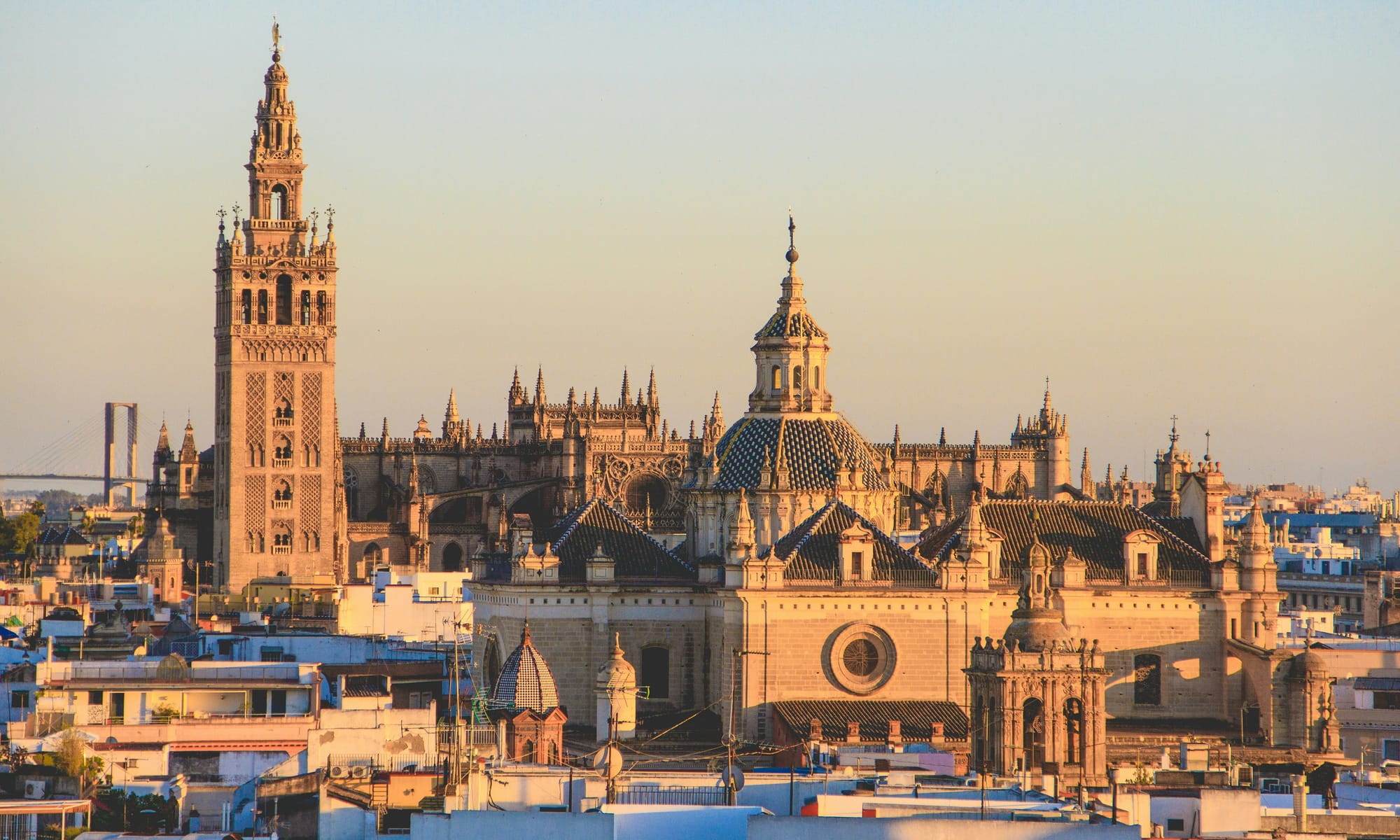
Fly into Barcelona, fly home from Madrid. In between: Barcelona (3 nights) → Madrid (3 nights), linked by the high-speed AVE train, which takes about 2.5 hours. A 7 day Spain itinerary works best with two bases, not four. Seville and Granada are a further 2.5 to 3 hours south of Madrid, and adding them turns the week into a rushed rail trip. Keep Andalusia for a 10 day route, and give this week to two cities that are very different from each other.
Day-by-day overview
| Day | Base | What you do |
|---|---|---|
| 1 | Barcelona | Arrive at El Prat (about 25 minutes to the centre), evening walk through the Born and a late dinner |
| 2 | Barcelona | Sagrada Família with a timed entry, Casa Batlló or La Pedrera, Park Güell in the late afternoon |
| 3 | Barcelona | Gothic Quarter with a guide, Cathedral cloister, Santa Maria del Mar, Boqueria market, free afternoon |
| 4 | Madrid | Morning train from Sants to Atocha (about 2.5 hours), afternoon in Retiro Park, evening tapas around Plaza Santa Ana |
| 5 | Madrid | Royal Palace, Plaza Mayor, Mercado de San Miguel, then a Habsburg Madrid walk |
| 6 | Madrid | The Prado with an art guide, then the Reina Sofía for Picasso's Guernica, or the Thyssen |
| 7 | Madrid | Last morning at leisure, transfer to Barajas airport (about 30 minutes) |
Barcelona: three nights
Barcelona is a Mediterranean port city with a medieval centre and a grid of wide avenues laid out in the 19th century. The best way to see it is to separate the two: one day for Gaudí and the grid, one day for the old city.
On day two, start at the Sagrada Família. Construction began in 1882, and the basilica is still unfinished, but the interior, with its tree-like columns and coloured light, is complete and worth seeing. Tickets are timed, so book ahead. Then walk up Passeig de Gràcia for the facades of Casa Batlló and Casa Milà. Go to Park Güell in the late afternoon, when the crowds thin out. Entry to the monumental zone is ticketed and capped.
On day three, walk the Gothic Quarter with a guide. The streets sit on top of the Roman city of Barcino, and a few Roman columns still stand inside a courtyard near the cathedral. The cathedral cloister has a flock of geese, kept there since the Middle Ages. Cross Via Laietana to the Born and Santa Maria del Mar, a Gothic church built by the neighbourhood's own porters and sailors. Keep the afternoon free. Spanish lunch starts around 2 pm, and dinner rarely before 9.
A word on pace: Barcelona wears you out more than it seems. The streets are flat but the days are long, and dinner is late. A siesta-length break between lunch and the evening walk makes days two and three much easier. For a swim, the city beaches at Barceloneta are a 10 minute walk from the Born, though the water is cool before June.
Madrid: three nights
The AVE from Barcelona Sants to Madrid Atocha takes about 2 hours 30 minutes and runs every half hour or so through the day. Atocha station has a tropical garden under its old iron roof, and it is a short walk to Retiro Park and the Prado.
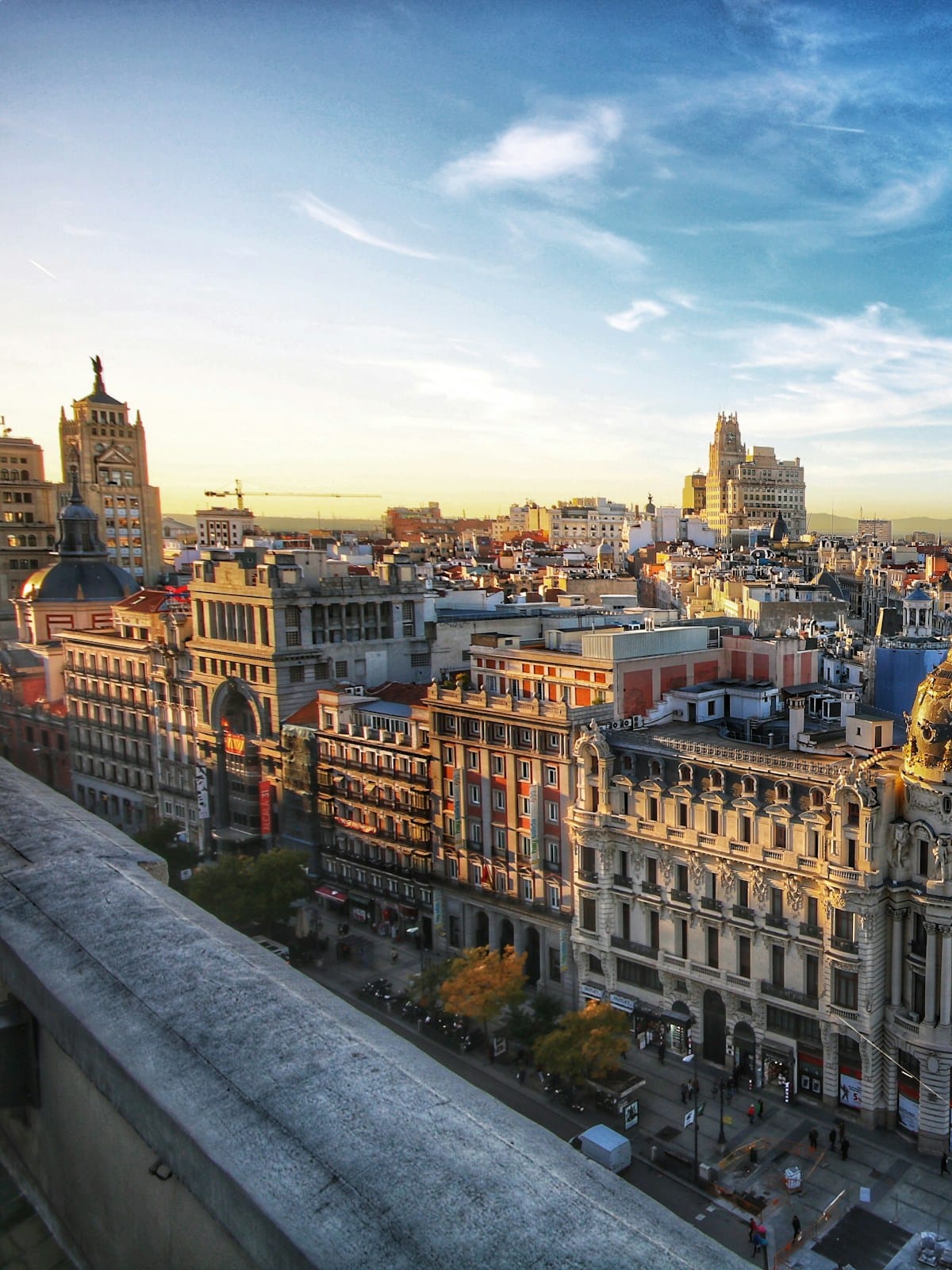
Madrid is a capital rather than a showpiece city, and it suits slow days. Day five is the royal and Habsburg centre. The Royal Palace has over 3,000 rooms and is still used for state occasions. Plaza Mayor was built in the 1600s, and the lanes around it hold the old taverns and the Mercado de San Miguel, a covered market good for a quick lunch of jamón and cheese.
Day six is for art. The Prado holds the great Spanish collection: Velázquez's Las Meninas, Goya's Black Paintings and El Greco. It is large, and a guide who selects a route through it is the difference between a tired visit and a good one. The Reina Sofía has Picasso's Guernica, and the Thyssen-Bornemisza covers European painting from the 13th to the 20th century. The three museums are within a 15 minute walk of each other. Pick two and give the third a miss.
Evenings run late. Madrid eats dinner around 9:30 pm, and the best tapas streets, around Plaza Santa Ana, Calle Cava Baja and La Latina, are busiest on Sunday after the El Rastro flea market, which runs on Sunday mornings. If your week includes a Sunday, build it around that: market, a vermouth, then a long lunch. Many museums close or shorten their hours on Monday, so check which days your guide has booked.
Where to stay
Barcelona: the Born or the Gothic Quarter for walking everywhere, or the Eixample for quieter streets near Gaudí's buildings. Madrid: the Barrio de las Letras or near the Prado, close to the museums and tapas bars, or around Retiro Park for a calmer base. In both cities, ask for a room away from the main street, as bars stay open late.
Luggage is easier in Madrid than Barcelona's old lanes, so ask the hotel for a street-level entrance. We check this for you, and arrange the baggage transfer to the train station on day four.
Both cities are safe to walk at night, but pickpockets work the busiest streets, so keep your phone and wallet in a front pocket.
When to go
April to June and September to October are the best months: warm days, long light and manageable crowds. July and August are hot, often over 35°C in Madrid, and many locals leave the city. Winter is mild in Barcelona and cold in Madrid, but the museums are quiet. Semana Santa, the week before Easter, brings processions in Madrid and fuller hotels, so book earlier for those dates.
For this route, the shoulder months also keep rail and hotel prices lower than July and August. Barcelona is humid in summer and Madrid is dry, so pack for both: light layers for evenings in Madrid, which cool quickly even after a hot day.
Ways to change the route
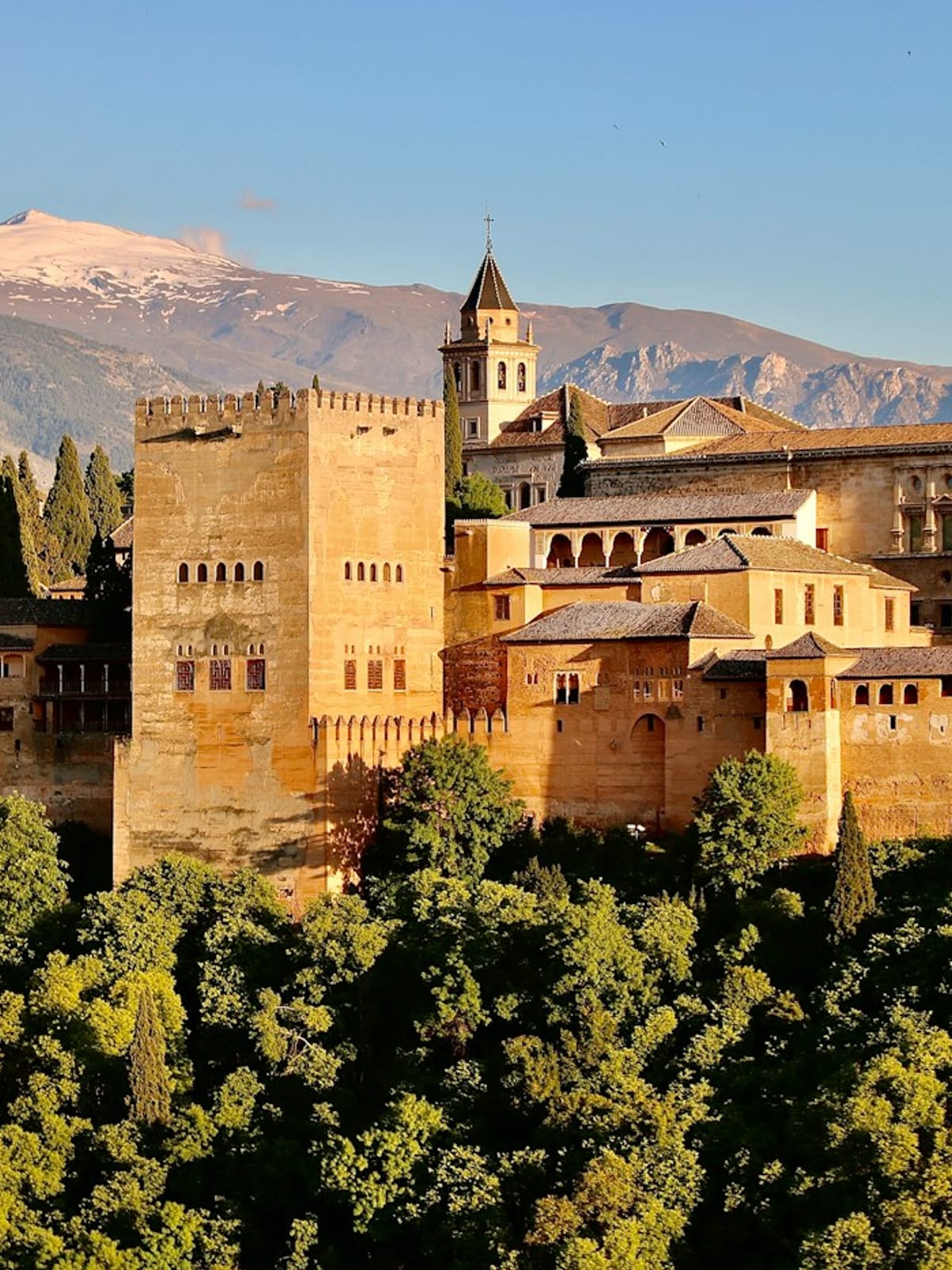
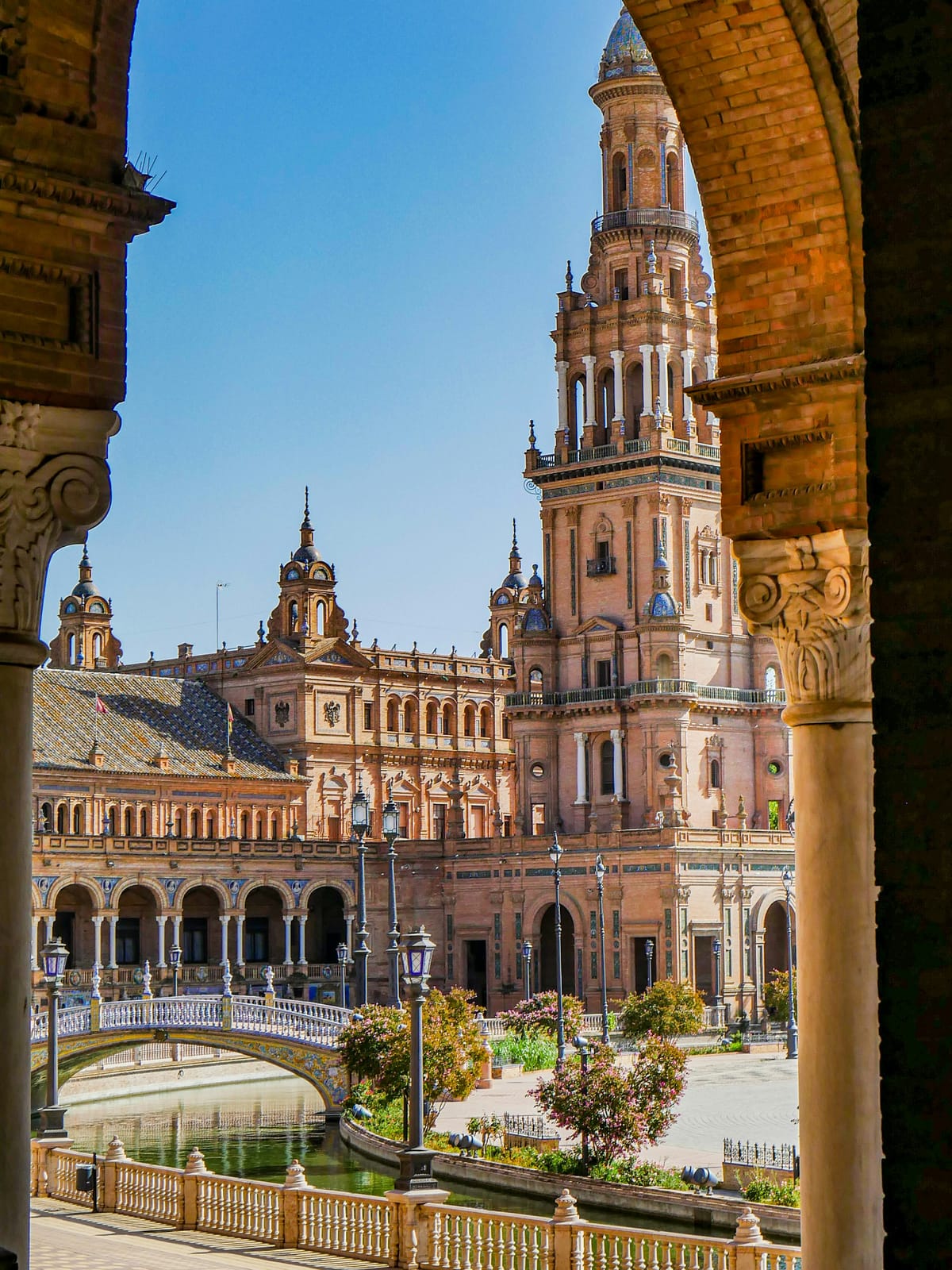
Replace one Madrid day with a day trip to Toledo, about 35 minutes by train, a hilltop city of medieval walls and El Greco's paintings. Or take a day trip to Segovia, to see the Roman aqueduct. If you would rather see the south, run Madrid (3) → Seville (2) → Granada (2) instead of Barcelona. Got 10 days? Add Córdoba, Seville and Granada to this route, and a 14 day Spain itinerary adds the Basque Country too.
How we plan it
We build this route around your dates: timed entry to the Sagrada Família and the Prado, train seats, a guide in both cities, and hotels picked for location. We also book the restaurants that need a table a few weeks ahead. A real person on our team is your contact from the first email to the flight home.
Frequently asked questions
Is 7 days enough for Spain?
Seven days is enough for two cities done well, such as Barcelona and Madrid. It is not enough for Andalusia as well. For Seville and Granada, plan at least 10 days.
How long is the train from Barcelona to Madrid?
About 2 hours 30 minutes on the high-speed AVE, from Barcelona Sants to Madrid Atocha. There are several trains each hour on busy days.
Should I fly into Barcelona and out of Madrid?
Yes. An open-jaw ticket saves a day of backtracking, and the train between the two cities fits neatly in the middle of the week.
Do I need to book the Sagrada Família in advance?
Yes. Entry is by timed ticket, and the best slots sell out days or weeks ahead in spring and autumn. We book it for you.
What is the best month for a 7 day Spain itinerary?
May, June and September. The weather is warm without the heat of July and August, and the museums and streets are less crowded.
 Quick cookie chat