The short answer
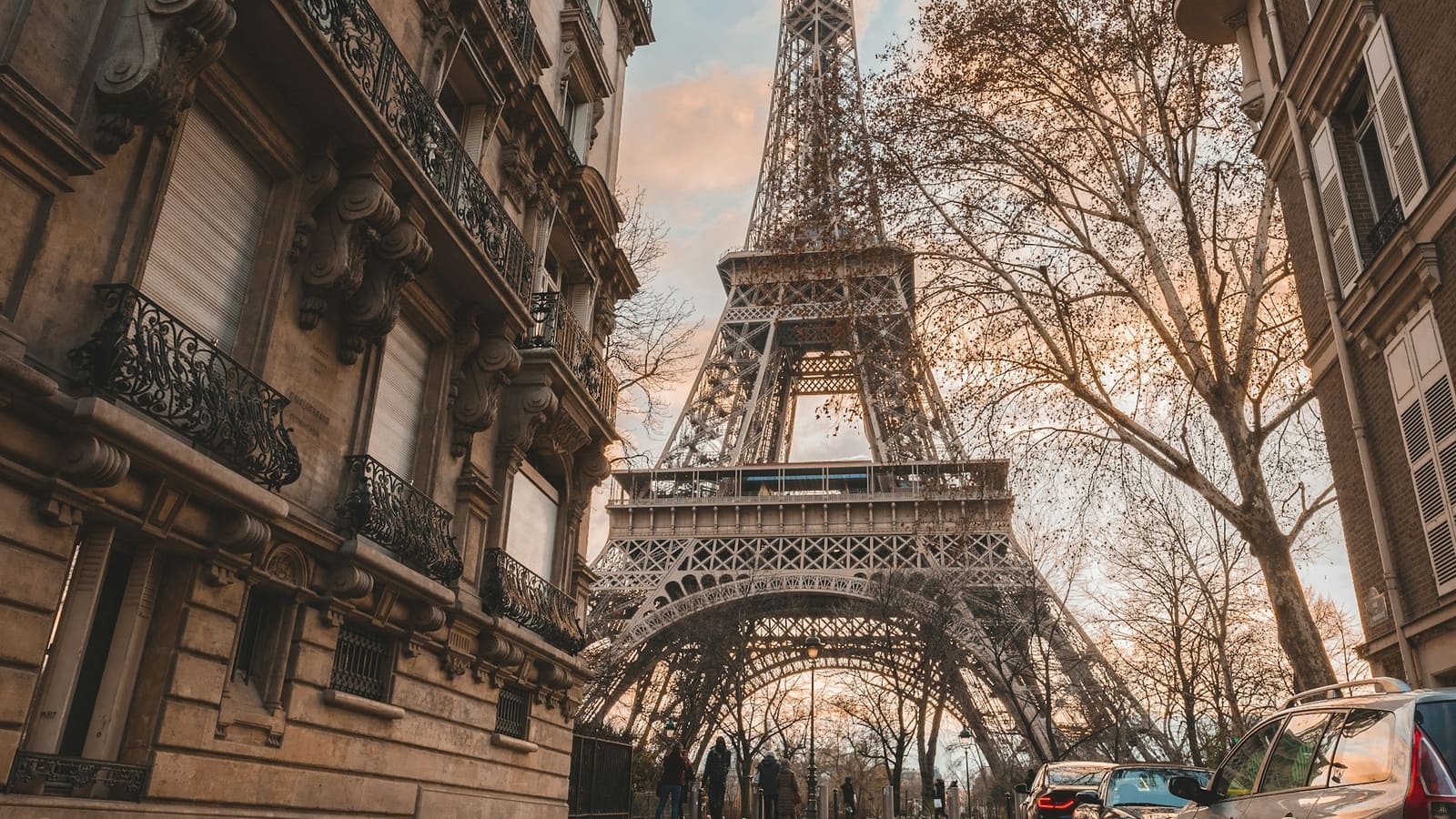
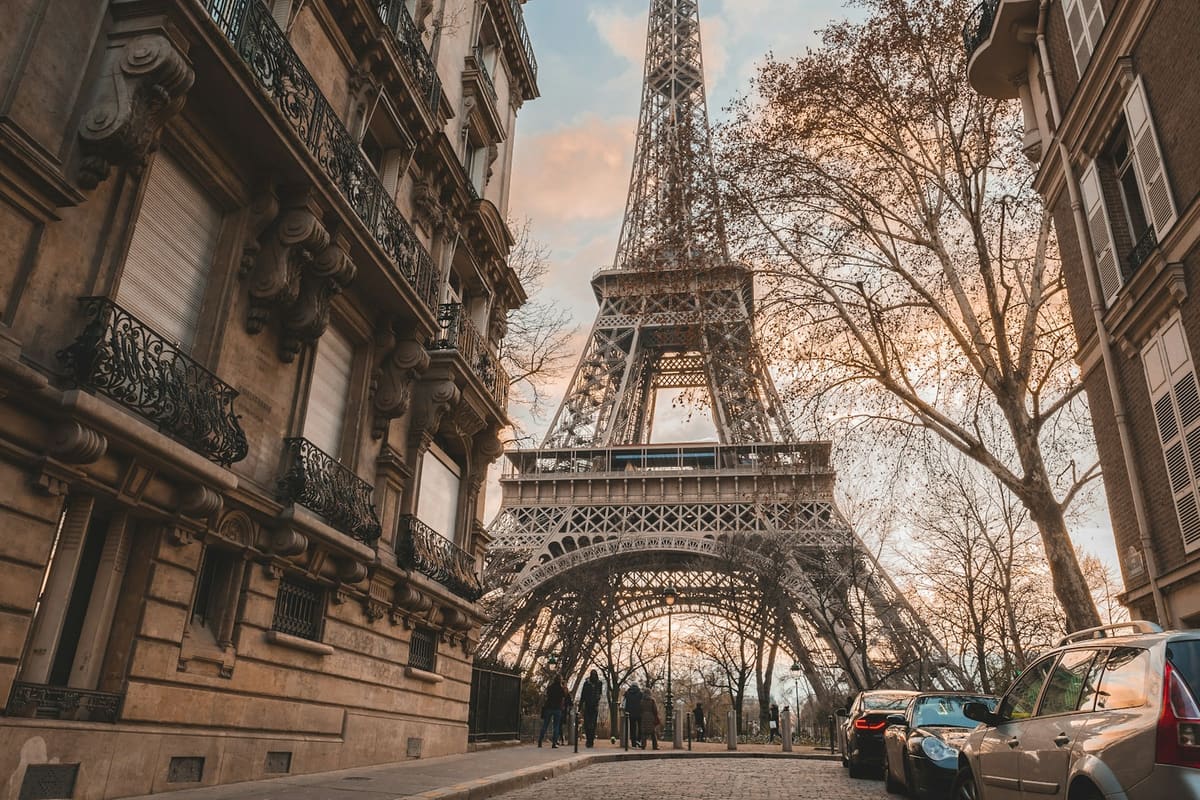
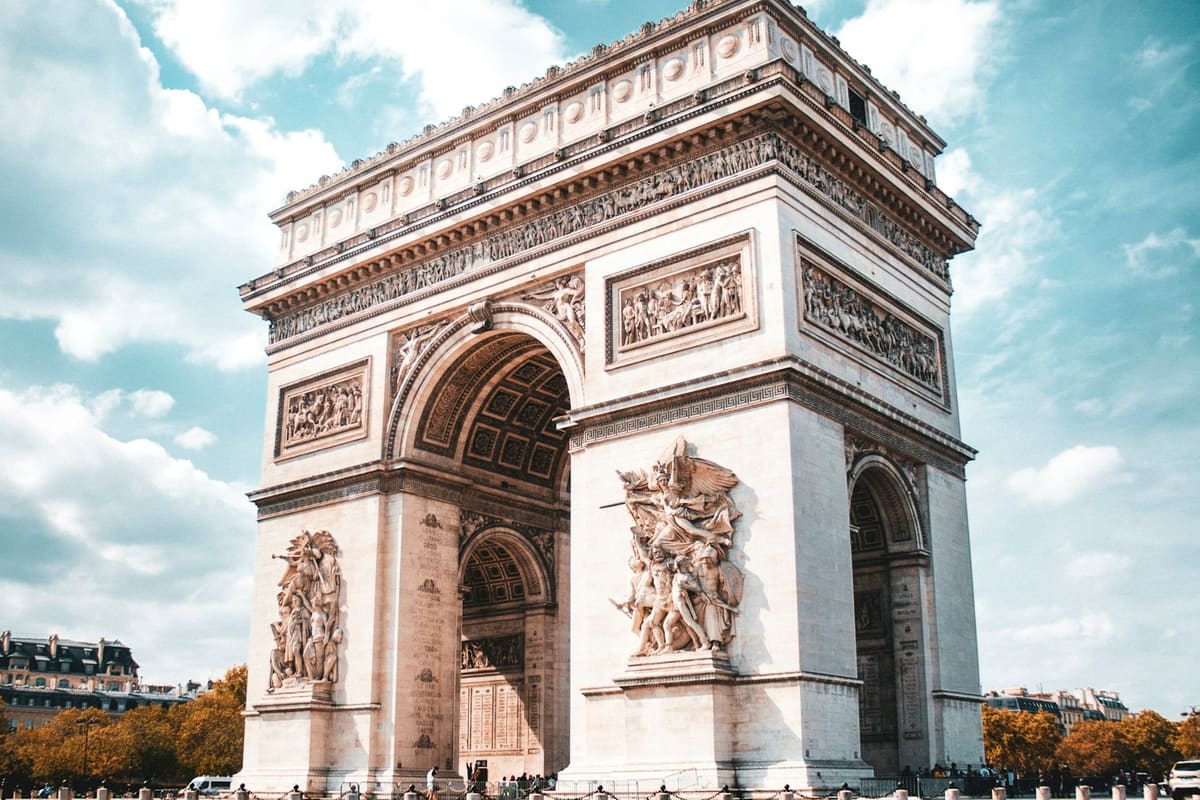
France is bigger than its reputation. Yes, Paris is capital of the world, the Louvre is vast, and everyone goes to the Eiffel Tower. But France is also the Loire Valley's fairy-tale châteaux, Provence's lavender fields and hilltop villages, the wine regions of Burgundy and Bordeaux, the Alps in summer and winter, Normandy's dramatic coasts, and the Côte d'Azur where the light changes how you see colour.
Ten to fourteen days is ideal for a first visit — enough to hit the major points without exhaustion. A week works if you choose one region. Three weeks reveals France's full complexity. And unlike many European countries, the regions feel genuinely distinct, each with its own food, wine, accent, and rhythm.
The major regions
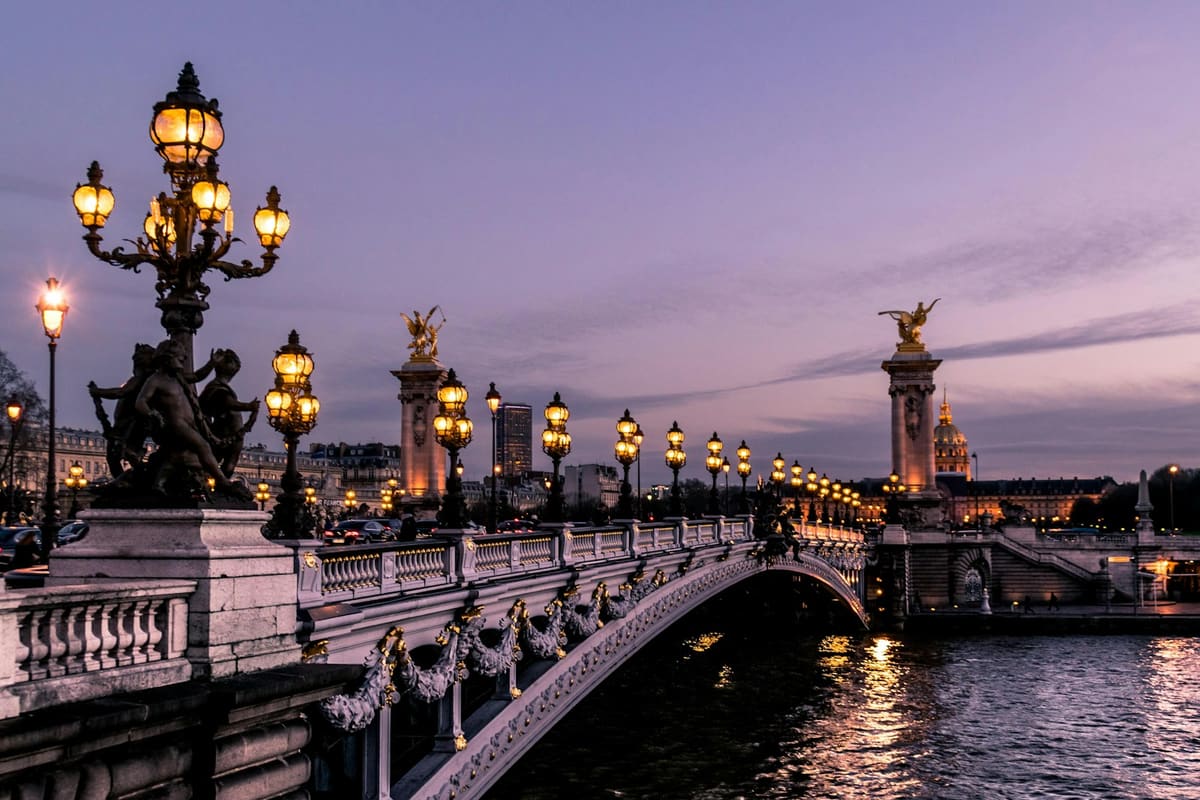
Paris is Paris. Five days is barely scratching the surface — the Louvre, Versailles, Montmartre, the Left Bank's cafés and bookshops, the neighbourhoods that each have their own character. You'll spend more time than you expect simply sitting and watching the city. Most first-time visitors plan three to five days; many wish they'd planned ten.
The Loire Valley is France's garden — flat, green, lined with the grandest châteaux in Europe. Amboise, where Leonardo da Vinci spent his final years. Chambord, the largest and most theatrical, with a double-helix staircase possibly designed by Leonardo. Chenonceau, spanning the River Cher with grace that makes it the most photographed château in France. The valley also produces Chenin Blanc wine (Vouvray). Two to three days works; you can see the major châteaux in a long day, but staying overnight lets you enjoy the evening light and small-town pace.
Provence is lavender fields, hilltop villages, and the light that makes painters move there permanently. Avignon's medieval walls and the Palace of the Popes. Gordes perched on a cliff, the Abbey of Sénanque surrounded by lavender (photographed more than almost any landscape in France). Roussillon's ochre cliffs. Châteauneuf-du-Pape's sun-ripened reds that taste like the landscape. The light is different here — warmer, more golden. Three to four days reveals the essence; longer lingering rewards deeply.
Burgundy and Bordeaux are serious wine country. Burgundy's Côte-d'Or stretches 30 miles with some of the world's greatest pinot noirs and chardonnays. Bordeaux's left and right banks produce cabernet sauvignons and merlots that define elegance. Both regions combine village charm with world-class wine experiences. Three to five days is ideal if wine matters to you; two days works if you want a taste.
Normandy and the D-Day beaches. Mont Saint-Michel, the island monastery rising from the sea. The dramatic cliffs at Étretat. The Bayeux Tapestry. Charming seaside towns. Two to three days is enough; longer is rewarding.
French food and wine culture
Food is not just a necessity in France; it's a philosophy. A proper meal takes time — you might spend three hours from aperitif to coffee. Regional specialties matter: Burgundy has beef Bourguignon and coq au vin; Provence has bouillabaisse and tapenade; the Loire has pike quenelles. Every region has its cheese. The wine is as important as the food — and there's wine everywhere, at every price point, with each region having its specialties.
The café culture is real. You'll sit with a coffee or wine and watch the world go by for hours, and this is understood as a perfectly reasonable way to spend an afternoon. Tipping is not expected in France; service is included in the bill. Leave coins at a café; tip 5% at a restaurant only if service was exceptional.
How many days?
| Duration | What fits | Realistic? |
|---|---|---|
| 4–5 days | Paris only — and barely scratch the surface | Yes, if you fly direct, though many wish they'd stayed longer |
| 7 days | Paris (4 nights) plus the Loire Valley (2 nights) or Provence (2 nights) | Opens France beyond Paris but you're moving partway through |
| 10 days | Paris, Loire Valley, and Provence — the classic route | Ideal for a first visit |
| 14 days | Paris, Loire Valley, Provence, plus Burgundy or Bordeaux wine country | Now you're getting depth |
| 3 weeks | Multiple regions, slower travel, cooking classes, wine tastings, smaller towns | Still realistic; France reveals itself gradually |
When to go
April through May and September through October are perfect — mild temperatures (around 15–20°C / 59–68°F), blooming flowers in spring, golden light in autumn, and the crowds manageable (though Paris is always crowded). June is lovely but summer begins to peak. July and August are hot everywhere inland, though coastal areas stay pleasant. Paris is sweltering August 15–September 1 when many Parisians leave. Winter in Paris can be lovely and atmospheric; Provence stays mild. Lavender in Provence blooms mid-June through early August if that's your target.
Getting around
The TGV high-speed trains connect Paris to Lyon, Marseille, and other regions beautifully — you depart city centre, arrive city centre, no airport hassles. Regional trains are slower but picturesque. For exploring wine country or small villages, renting a car makes sense; otherwise, trains are faster and easier, especially since driving in Paris is not recommended. Within cities, you'll walk; the Paris metro is extensive and efficient.
First-time mistakes to avoid
Spending too little time in Paris. Plan at least four nights even if you think you won't. The city reveals itself slowly. Trying to rush between regions. One night in each place is exhausting. Better to choose Paris and the Loire Valley (one week) or Paris, Loire, and Provence (ten days) and do them properly. Missing smaller towns. Saint-Cirq-Lapopie in the Lot, Roussillon in Provence, Annecy in the Alps — the villages are where France's character lives. Not understanding café culture. Sitting outside with a single drink for an hour or more is normal and expected. No one will hurry you. Skipping the side trips. A day at Mont Saint-Michel from Paris, a cooking class in Provence, a wine tasting in Burgundy — these are where the memory lives. Tipping as you would at home. Service is included in France; don't tip at bars or leave coins at restaurants. If the service was exceptional, 5% is appreciated, but it's optional.
Practical notes
Entry. US and Canadian passport holders can enter visa-free for up to 90 days. Check current rules before you travel. Currency and costs. France uses the euro. A café coffee costs €1–3. A glass of wine, €3–6. A three-course meal at a regular bistro, €25–40 per person; at a celebrated restaurant, €60–150. Tipping. Not expected. Service is included in the bill. Leave coins if you liked the café; tip 5% only if service was exceptional at a restaurant. Language. English is spoken in Paris and major tourist destinations, less so in smaller towns and villages. Basic French phrases (bonjour, s'il vous plaît, merci) are warmly received and often expected as a courtesy. Safety. France is safe in all regions mentioned. Pickpocketing happens on Paris public transport and popular sites; standard precautions apply.
How we plan your France trip
We will shape France around your exact interests — whether that's Paris art history, Loire Valley château hopping, Provence wine and hilltop villages, or a blend of all three. We book the TGV trains so you're not fighting tourists, arrange private guides who are art historians, sommeliers, architects — experts who bring their regions alive rather than reciting facts. Our recommendations point you toward neighborhood bistros, wine tastings with winemakers rather than tourist operations, and the kind of moments (a cooking class at a countryside bastide, an after-hours museum visit, a sunrise hot-air balloon over the Loire) that make travel matter. We handle all logistics and stay reachable throughout, following up afterward to hear which moments landed deepest.
Frequently asked questions
Is France good for a first-time visitor to Europe?
Yes. Paris is welcoming to first-time travelers, the TGV trains are efficient, and the regional differences let you see multiple 'Europes' in one trip. Ten days covering Paris, the Loire Valley, and Provence is an ideal first visit.
How many days do you need in France?
At least four in Paris to begin understanding it. Seven days works for Paris plus one other region. Ten to fourteen days lets you cover Paris, Loire Valley, and Provence — the classic route. Shorter stays work only if you commit to a single region.
What is the best time to visit France?
April through May and September through October are ideal — mild weather, good light, manageable crowds. June is lovely; July and August are hot and crowded (though coastal areas stay pleasant). Winter is quieter; Provence stays mild.
Can I skip Paris and go straight to the regions?
You can, but it's a missed opportunity. Paris is foundational to understanding France — the art, the culture, the café philosophy. Even skeptics usually wish they'd spent more time there. Plan at least a few days.
How much does a trip to France cost?
Paris is pricier than other European cities. Plan €100–150 per night for 4-star hotels, €30–50 for meals at a bistro, €5–10 for a wine glass. The regions are slightly cheaper. A week in France costs roughly the same as Italy or Spain.
 Quick cookie chat