
The short answer
Poland is three countries in one. Kraków in the south is the medieval city that survived — the largest medieval square in Europe, Wawel Castle where Polish kings ruled for centuries, and the Kazimierz Jewish quarter with its own layered history. Warsaw in the middle is the capital that rebuilt itself from photographs after being 85% destroyed in World War II — a story of resilience and modernity that changes how you see the city. Gdańsk in the north is the Baltic port where the Solidarity movement began and where Hanseatic merchants built a waterfront that looks more like Bruges than anything you expected to find in Poland.
The year splits into seasons. May and June are mild and green (15–22°C / 59–72°F); July and August are warm (20–28°C / 68–82°F) and increasingly crowded. September and October are mild and beautiful (12–18°C / 54–64°F) with autumn colour. April is cool (10–15°C / 50–59°F) and spring-like. Winter (November–March) is cold (0–5°C / 32–41°F), often with snow, and most beautiful in December and January.
Why Poland: What you're really visiting
Poland's history is the history of Central Europe — at the intersection of Germanic, Slavic, and Jewish cultures, on the frontier between Catholic and Orthodox Christianity. The country has been erased from maps multiple times and rebuilt each time. This layering is visible everywhere: the German names of cities on old maps, the Jewish quarters in every major city, the mix of architectural styles, the language that carries centuries of outside influence.
Kraków was spared the bombs of World War II — it survived as a museum of medieval Poland. Warsaw was targeted specifically for destruction and rebuilt from zero. This contrast is the most powerful lesson in the country: what you choose to preserve and what you choose to rebuild. The food tells the same story: pierogi (dumplings that bridge cultures), żurek (rye soup), kielbasa (sausage) — comfort food that has kept Polish identity alive through centuries of occupation.
The people. Polish hospitality is generous and genuine. The sense of humour is dark, clever, and self-aware — Poles know their history and laugh about it. The cultural pride is quiet but immovable. The country is far less touristy than Western Europe, which means a visit here is still encountering a place rather than consuming a destination.
Kraków: The medieval capital
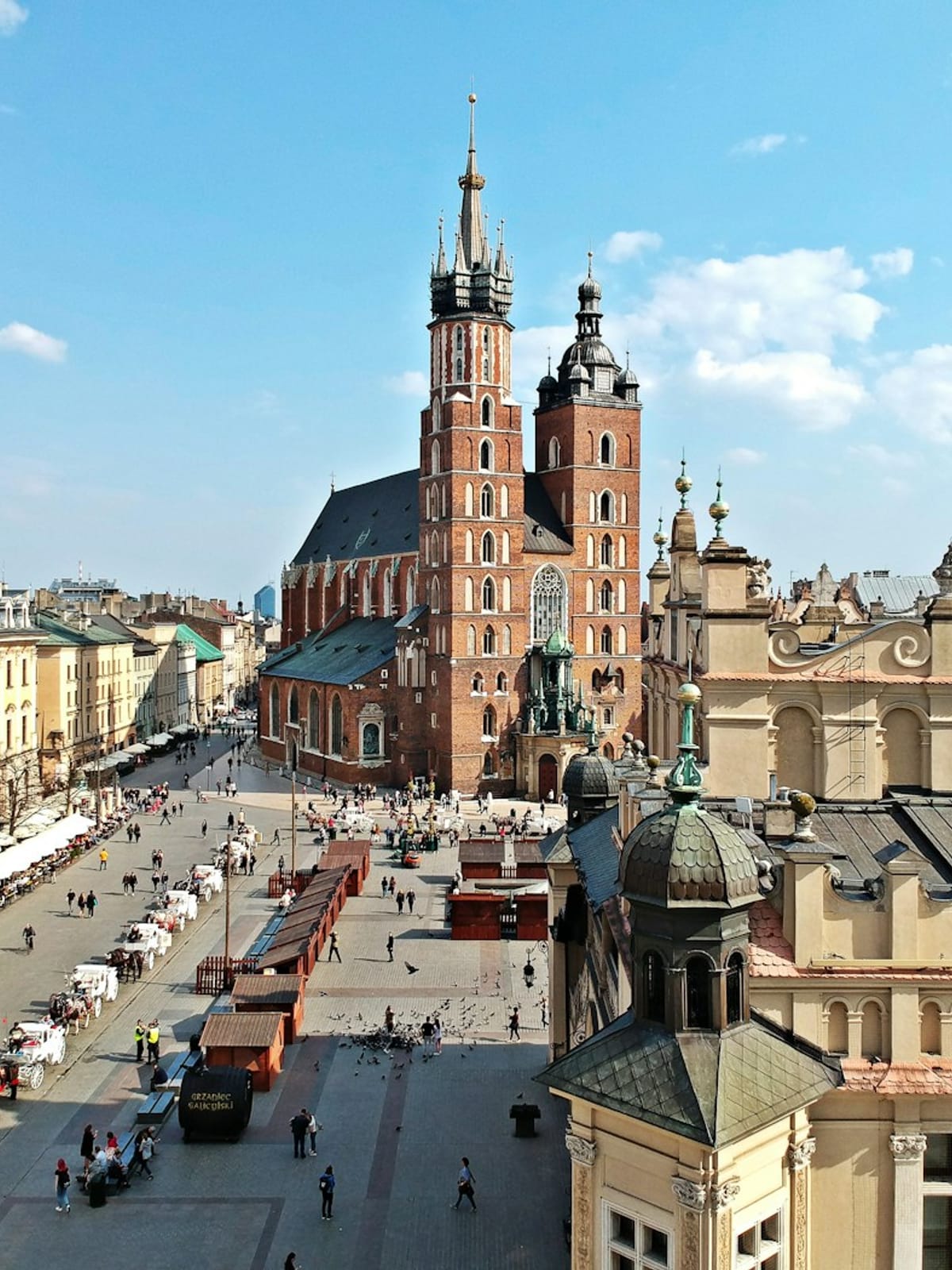
Kraków is the city that survived. While Warsaw was levelled in 1944–1945, Kraków emerged from World War II with its medieval core intact — by some accounts because the Nazi governor fell in love with the city and refused to destroy it. The Main Market Square (Rynek Główny) is the largest medieval square in Europe: 200 metres on each side, anchored by the Cloth Hall (Sukiennice) that has been the centre of trade since the 14th century, and St. Mary's Basilica whose trumpet call (the hejnał) has sounded every hour since the Mongol invasion of 1241 (the tune breaks because, when the arrow struck the trumpeter, he was mid-note).
Wawel Hill is the symbolic heart of Poland — the limestone hill above the Vistula where Polish kings ruled from the 11th century, where the cathedral holds the tombs of monarchs and national heroes, and where the Renaissance castle courtyard is one of the finest in Central Europe. Walking Wawel with a medieval historian is the best way to understand Polish identity: the State Rooms, the Royal Private Apartments, the cathedral, the Sigismund Chapel (considered the finest Renaissance chapel north of the Alps).
Kazimierz, the historic Jewish quarter, was its own city until 1800. The Old Synagogue (the oldest surviving synagogue in Poland, built 1407), the Remuh Cemetery with Renaissance-era tombstones, and the streets where Steven Spielberg filmed Schindler's List — it's a district shaped by history. But modern Kazimierz is also the most creative neighbourhood in Kraków: galleries, craft cocktail bars, restaurants in converted prayer houses. Both histories exist simultaneously here.
The Wieliczka Salt Mine
The Wieliczka Salt Mine, thirteen kilometres south of Kraków, has been in continuous operation since the 13th century — one of the oldest salt mines in the world and a UNESCO World Heritage Site since 1978. The underground complex descends 327 metres across nine levels, with 245 kilometres of tunnels. What makes it extraordinary is not the scale but the art: miners over centuries have carved chapels, statues, and chandeliers entirely from rock salt.
The Chapel of St. Kinga — an underground cathedral at 101 metres depth — is the centrepiece. The walls are salt. The altarpiece is carved from salt. The chandeliers are salt-crystal. The biblical reliefs are in salt. It's impossible to photograph adequately because the light in the chapel is unlike anything above ground. A visit here with a geologist (who explains the Miocene sea that deposited the salt 13 million years ago and the engineering that keeps the mine from flooding) combines history, geology, and something close to the sacred.
Warsaw: The city that rebuilt itself
Warsaw's story is unlike any other European capital. Eighty-five percent of the city was destroyed during World War II. The Old Town was rebuilt stone by stone from 18th-century paintings by Bernardo Bellotto (Canaletto's nephew) — so faithfully that UNESCO inscribed it as a World Heritage Site in 1980, the only reconstructed city centre to receive the designation. This is the most powerful story in European urbanism: you can see the reconstructed buildings still have new mortar between the stones.
The Royal Castle was rebuilt using original blueprints and salvaged fragments. The Market Square (Stare Miasto) was rebuilt from Bellotto's paintings. Every building here is younger than you'd think but built to be centuries old — and it works. The Barbican (the eastern gate to the Old Town) guards the entry.
The Royal Route south from Castle Square runs through Krakowskie Przedmieście to Łazienki Park, the 76-hectare royal garden with the Palace on the Isle (visible from water). The Chopin Monument and the peacocks that have been resident since the 18th century keep their vigil.
Modern Warsaw is equally compelling. The POLIN Museum of the History of Polish Jews — built on the site of the former Warsaw Ghetto — traces a thousand years of Jewish life in Poland through one of the most ambitious museum installations in Europe. The core exhibition won the European Museum of the Year Award. The Ghetto Heroes Monument and the Umschlagplatz memorial are the counters to this — the place where 300,000 people were loaded onto trains.
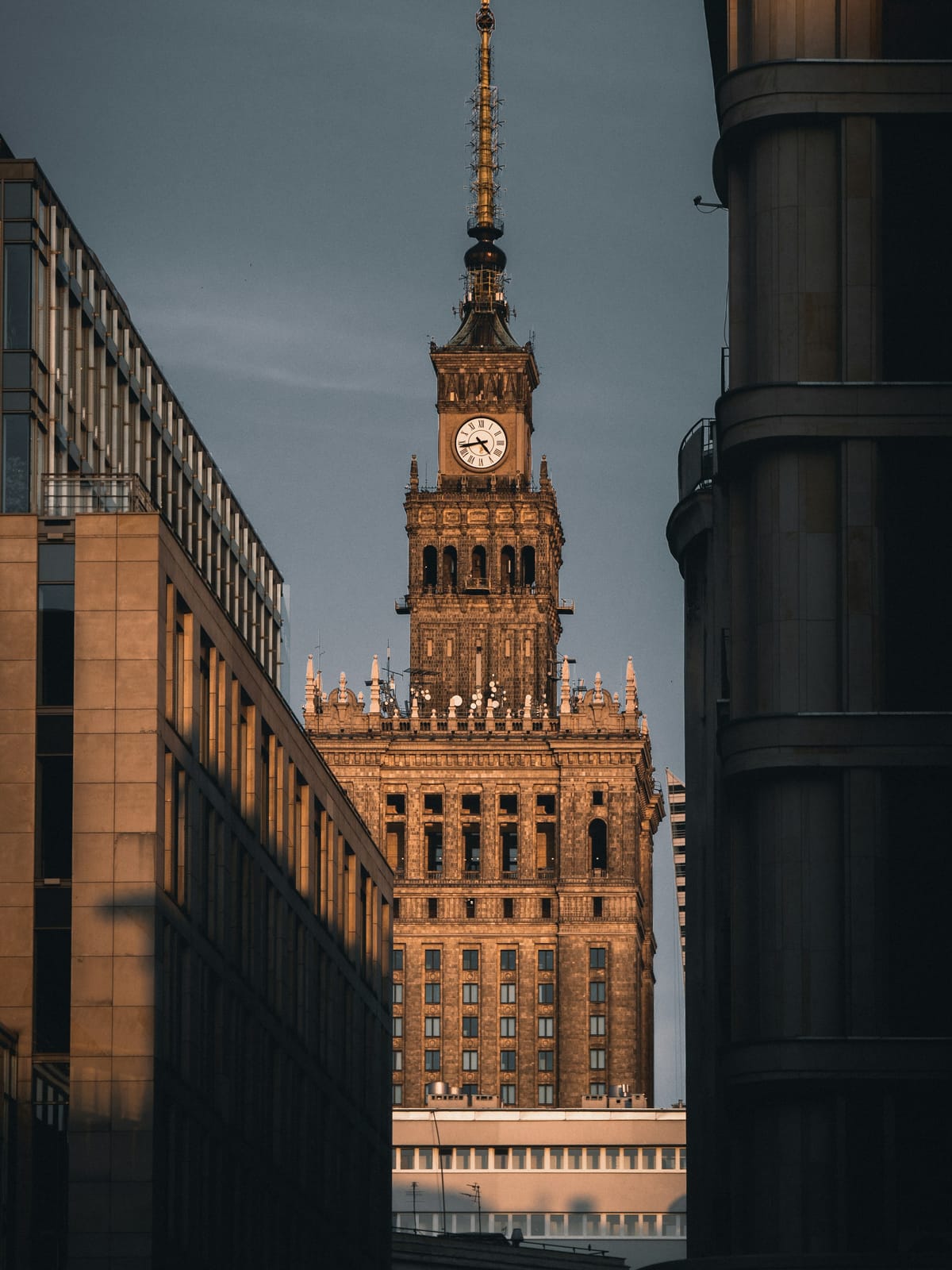
The Palace of Culture and Science (Stalin's gift, now repurposed as a cultural centre) sits at the city centre. The Praga district across the Vistula survived because the Soviet army waited on the east bank — the pre-war buildings are still standing here, giving you a sense of Warsaw before the bombs. The Neon Museum preserves Cold War-era neon signs that once lit socialist Warsaw.
Gdańsk and the Baltic
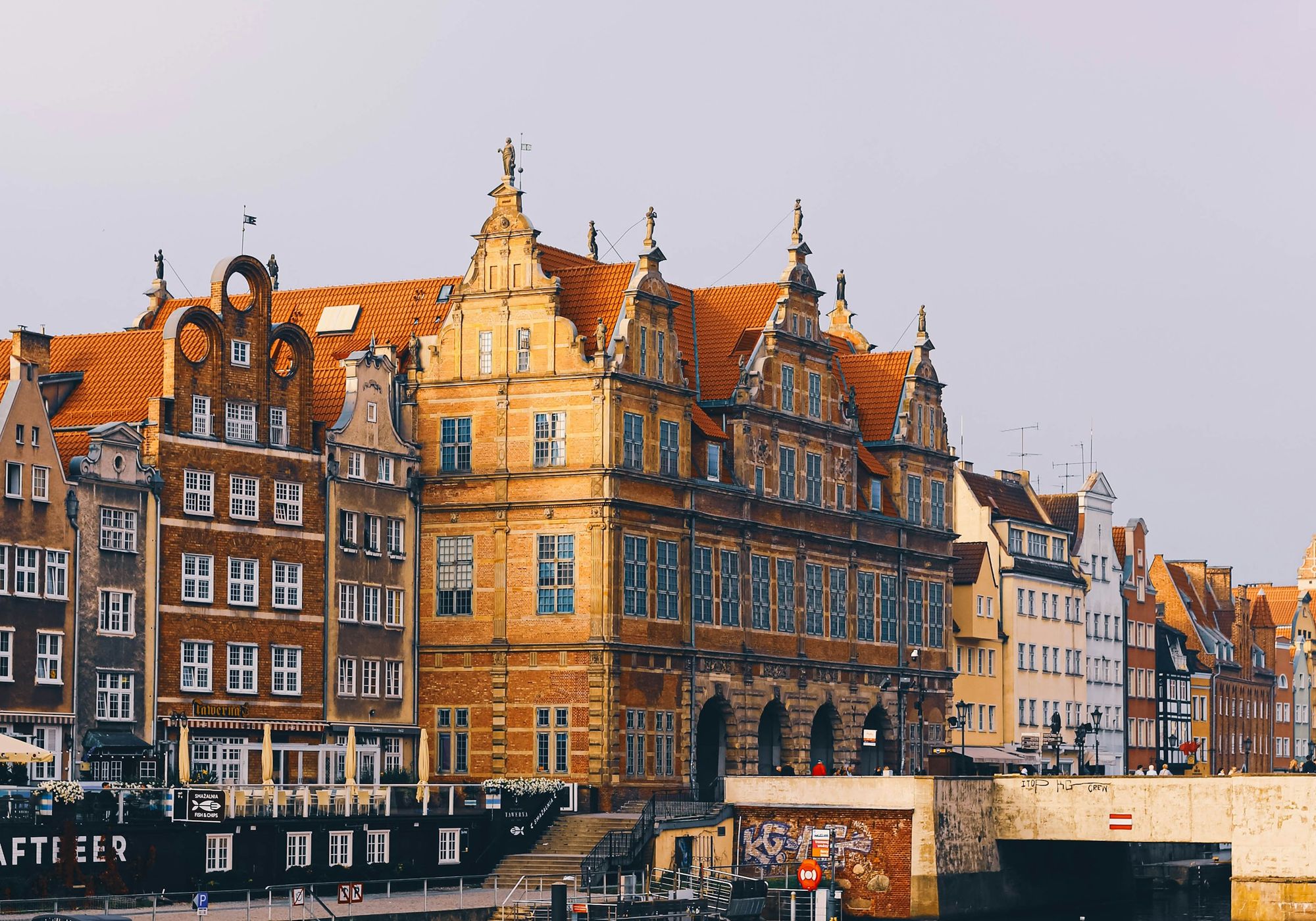
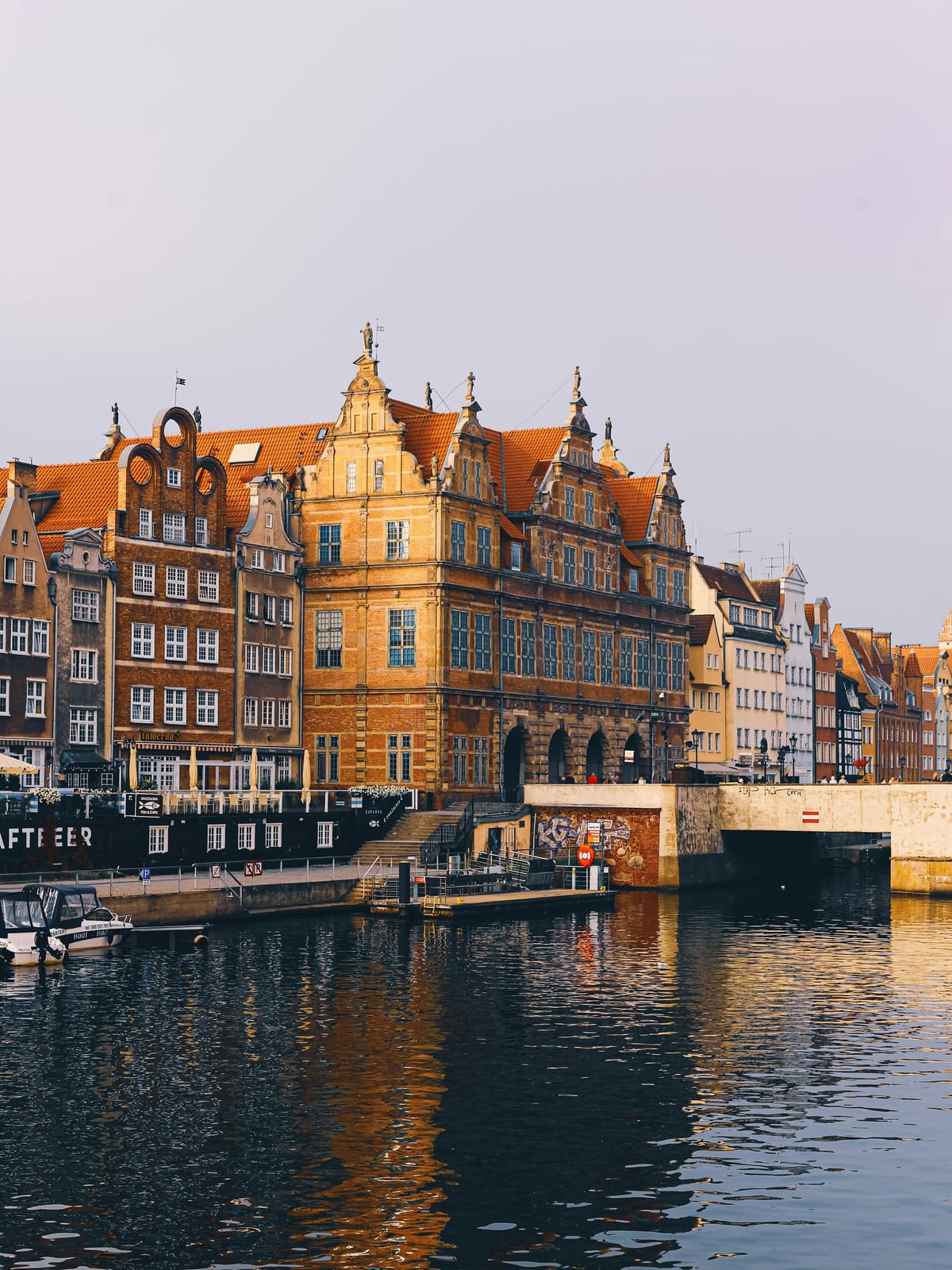
Gdańsk is the city where the Solidarity movement began, the waterfront where Lech Wałęsa led the shipyard workers against the Soviet system. But historically, it's a Hanseatic city — one of the Hansa's eastern ports, where merchant ships loaded amber, grain, and timber. The Long Market (Długi Targ) runs along the waterfront, lined with Renaissance guild houses painted in deep colours. The Neptune Fountain at the centre of the market was the symbol of the city's independence. The roads and buildings here look more like Bruges or Amsterdam than Eastern Europe.
Amber is the visible history of the place — pieces of fossilized tree resin, 40–50 million years old, washed ashore from the Baltic. It was currency in antiquity; it's been harvested here for millennia. Every jewelry shop in Gdańsk carries amber; understanding what it is (not a stone but fossilized sap) changes how you see it.
The city is also the gateway to the Baltic coast — the beaches west of Gdańsk, the seaside resort towns, the light and air that feels different from inland Poland. A day or two here and you understand why this corner of Europe mattered so much.
How many days in Poland
| Duration | Best for | Rough itinerary |
|---|---|---|
| 5–6 days | First visit, Kraków focus | Kraków (3–4 days), Wieliczka Salt Mine (1 day), Warsaw (1–2 days) |
| 8–9 days | Complete journey, all three cities | Kraków (2–3 days), Wieliczka, Warsaw (2–3 days), Gdańsk (2–3 days) |
| 10–12 days | Slow travel, museums and history | As above plus time for the beaches west of Gdańsk, extended museum time in Warsaw, or smaller towns in the Kraków region |
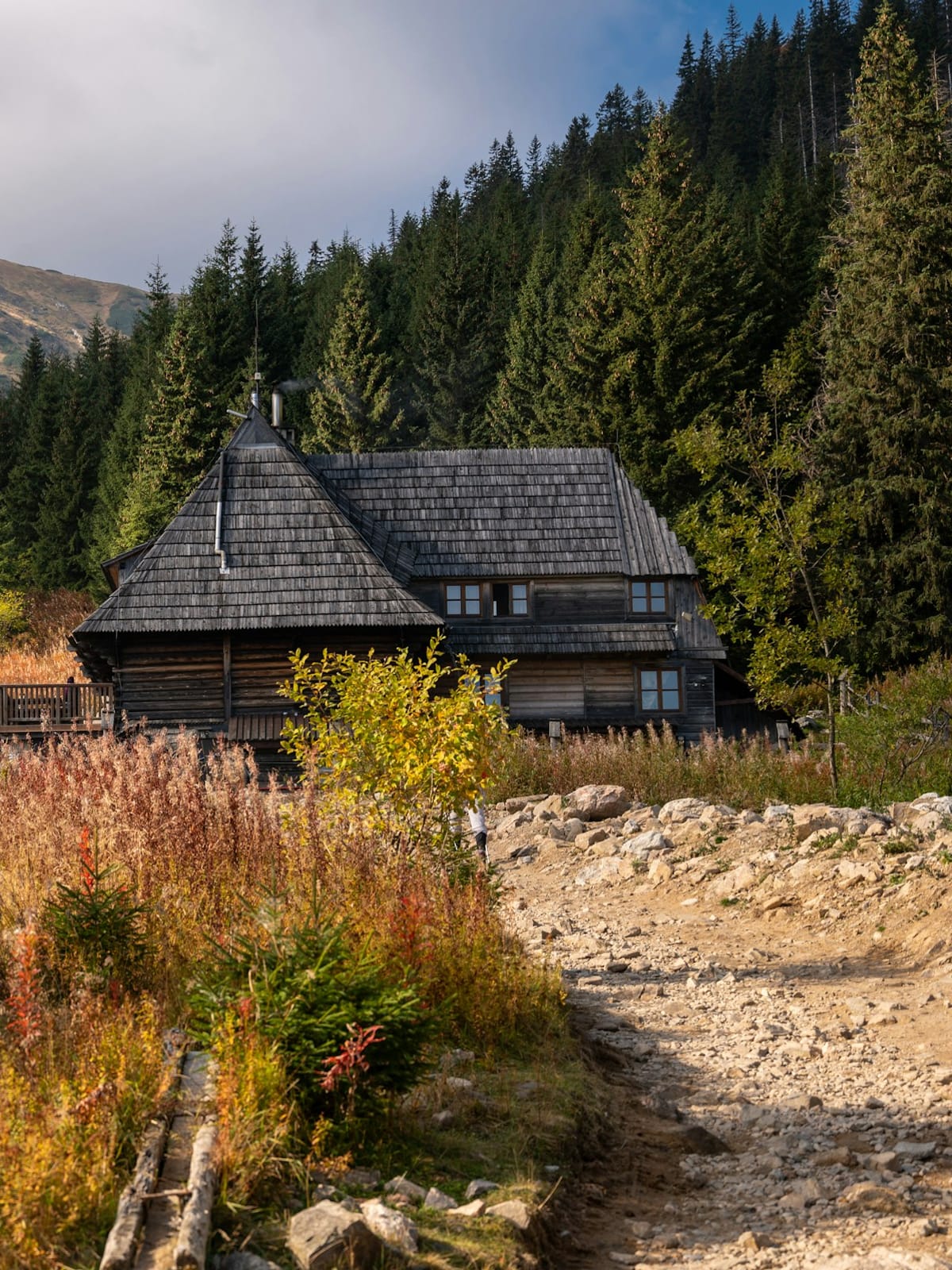
| 14+ days | Deep exploration | As above plus Wrocław (the southwest capital), the Polish mountains (Tatra Mountains near the Slovak border), or more time on the Baltic coast |
When to visit Poland
May and June are mild and green (15–22°C / 59–72°F), spring in full bloom, perfect for walking cities. July and August are warmest (20–28°C / 68–82°F) and increasingly crowded; the tourist season is fully underway. September and October are beautiful (12–18°C / 54–64°F) with autumn colour, fewer crowds, the light turning golden. April is cool and spring-like (10–15°C / 50–59°F).
Winter (November–March) is cold (0–5°C / 32–41°F) and often snowy. December is beautiful with Christmas markets and lights. January and February are the coldest and snowiest but serene and beautiful if you're comfortable with cold. Warsaw is atmospheric in winter; Kraków's medieval squares are stunning in snow.
The worst time is late October and November — unpredictable weather, leaves falling, the light turning grey. The best times are May, June, September, and October for general traveling; July–August for longer daylight and Baltic swimming; December–February for a different kind of beauty and fewer tourists.
Getting around Poland
Poland has an excellent train system — fast and cheap by European standards. The high-speed train between Kraków and Warsaw takes two and a half hours. Warsaw to Gdańsk takes four hours. Buses are cheaper than trains but slower and involve more time on the road. Most travelers prefer trains for the comfort and efficiency.
Renting a car is unnecessary if you're staying in the three major cities. Driving in Poland is negotiable if you're comfortable with European roads; Poles drive fast and assertively, but the roads are well-maintained. A private driver is available and removes any stress.
Within cities, walking is the primary mode. Kraków's old town is small and fully walkable. Warsaw's historic centre is compact. Gdańsk's waterfront is walk-friendly. Public transit (trams, buses) is excellent if you need it.
First-timer mistakes in Poland
Don't skip Warsaw thinking it's just a capital — the rebuilt old town and the POLIN Museum are genuinely extraordinary, and understanding the city's post-war story changes how you see the rest of Europe. Don't visit Wieliczka on a crowded day in July or August; go in May, June, September, or October when the mine is yours. Don't skip the museums — they are world-class and interesting. Don't skip Gdańsk thinking it's far or irrelevant — it's the missing piece of Central European understanding. Don't assume Polish food is heavy and unrefined — modern Polish cuisine is serious and creative. Don't visit in winter unless you're comfortable with cold and minimal daylight; it's beautiful but demanding.
Practical information for visitors
Passport and visas: US and Canadian citizens do not need a visa to visit Poland for up to 90 days. Poland is part of the Schengen Area, so the 90-day limit applies across multiple Schengen countries. Check current requirements with your embassy. Your passport should be valid for at least six months beyond your travel dates.
Money and cards: The currency is the Polish Zloty (PLN). Poland is less expensive than Western Europe. ATMs are abundant in cities; credit cards work widely in hotels and restaurants but smaller establishments prefer cash. Tips are not obligatory but rounding up or 5–10% is appreciated in restaurants.
Language: Polish is the official language. English is increasingly spoken in hotels, restaurants, and among younger people in cities, but less so in rural areas and among older generations. Attempting a few Polish words ('dzień dobry' for good day, 'dziękuję' for thank you, 'proszę' for please) is genuinely appreciated. A translation app is useful.
Health and safety: Poland is very safe for tourists. Tap water is safe to drink. Sunscreen is essential in summer — the sun reflects off water and stone intensely. Travel insurance is wise if you plan any physical activities. The health system is good if you need care.
How we plan your Poland trip
Because every Black Deer Travel trip is private, we build your Poland itinerary around your interests rather than a fixed route. Prefer history and museums? We extend Warsaw, add a medieval historian at Wawel, include the POLIN and Schindler's Factory museums. Want to move slowly and explore villages? We add smaller towns, extend time in Kraków's neighborhoods, include a farm experience. Interested in the Solidarity story and modern history? We arrange guides who lived through the Soviet era. You tell us when you can travel and how many days you have — we'll suggest the best pace for the season, book your train journeys and accommodations in advance, and arrange private guides at each major site. A real human responds to your inquiry within one working day.
Frequently asked questions
What is the best time to visit Poland?
May, June, September, and October are ideal — mild temperatures, the cities beautiful, fewer crowds than July–August. July and August are warmest and most crowded. April is cool and spring-like. December is beautiful with Christmas markets but cold. Avoid late October and November (unpredictable, grey). Winter is cold but serene if you're comfortable with it.
How many days do you need in Poland?
Eight to nine days is ideal for a complete first trip: Kraków (2–3 days including Wieliczka), Warsaw (2–3 days), and Gdańsk (2–3 days). Five to six days works if you focus on Kraków and Warsaw only. Two weeks lets you add Wrocław, the Tatra Mountains, or extended time on the Baltic coast.
Is Poland expensive to visit?
Poland is less expensive than Western Europe. Meals, hotels, and activities are typically 30–50% cheaper than Germany or France. Warsaw and Kraków are more expensive than smaller cities. Private tours include guides and accommodations, which control costs; meals are separate.
Is it worth visiting the Wieliczka Salt Mine?
Yes. It's one of the most unusual underground experiences in Europe — 13th-century mines with hand-carved chapels, statues, and chandeliers all made of salt. The Chapel of St. Kinga at 101 metres depth is extraordinary. Book it on a day when the mine isn't crowded (avoid peak July–August middays).
How do I understand Warsaw's post-war history?
Walking the Old Town (rebuilt from Bellotto's 18th-century paintings) with a guide who explains what was destroyed and rebuilt is essential. The POLIN Museum tells the story of Polish Jews before, during, and after World War II. Visiting the Ghetto Heroes Monument and the Umschlagplatz memorial completes the picture. It's heavy material but important.
What is amber, and why is it important in Gdańsk?
Amber is fossilized tree resin, 40–50 million years old, that washes ashore in the Baltic. It was currency in antiquity and harvested in Gdańsk for millennia. Every piece is unique and contains trapped insects or air bubbles from ancient forests. It's not a stone but organic material — which is why it's warm to the touch and why ancients valued it. Jewelry shops in Gdańsk carry quality pieces.
 Quick cookie chat