The short answer
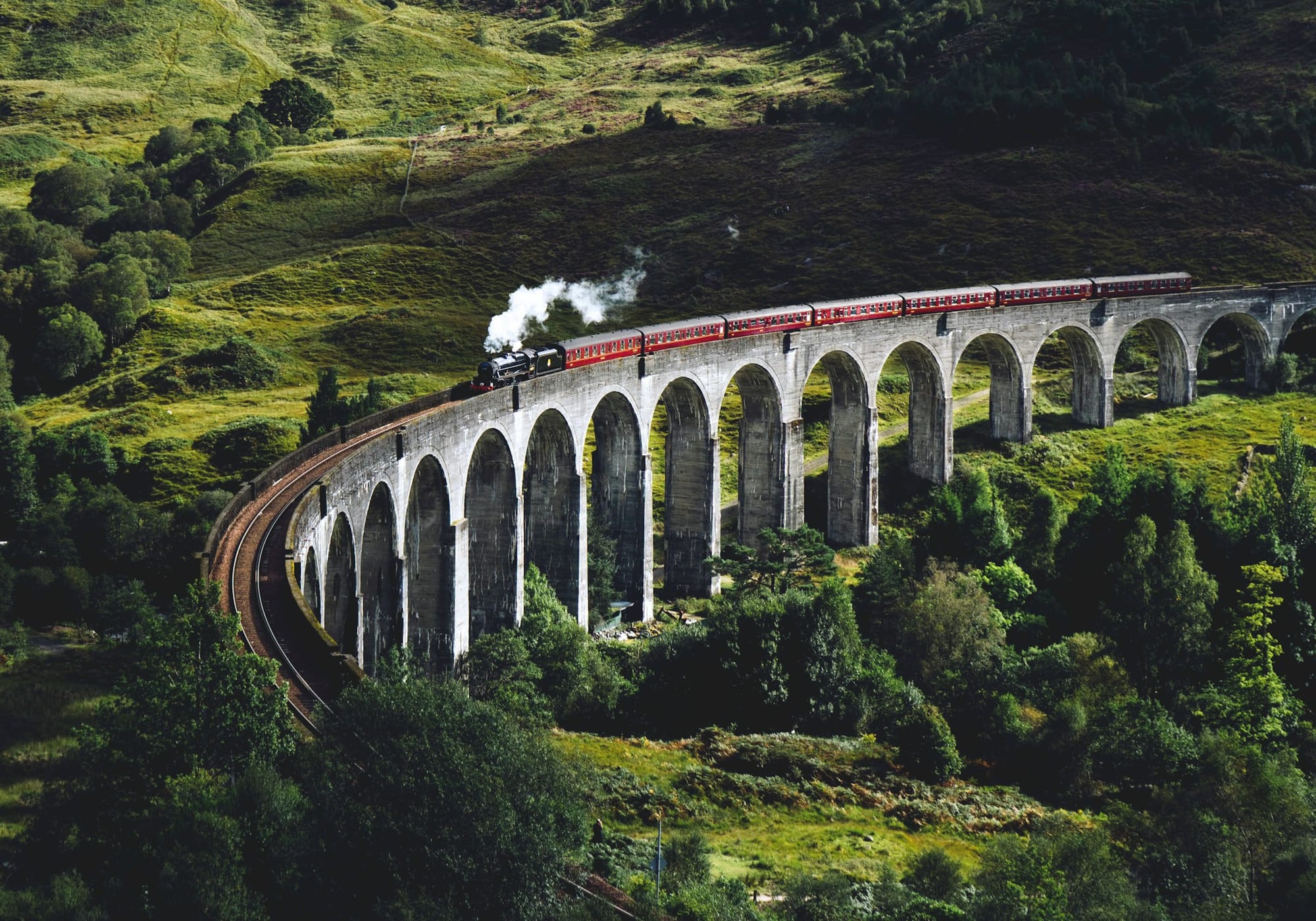
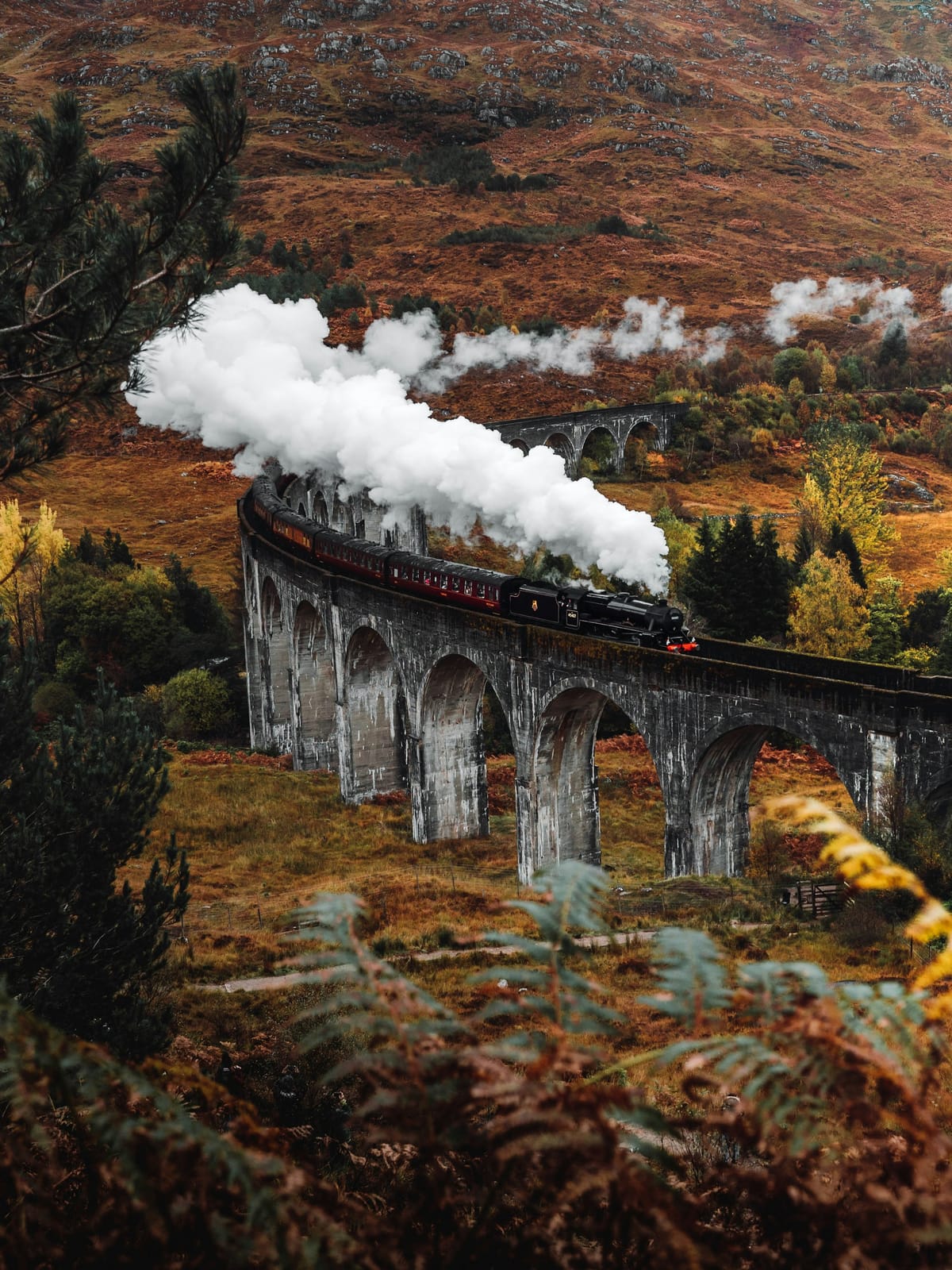
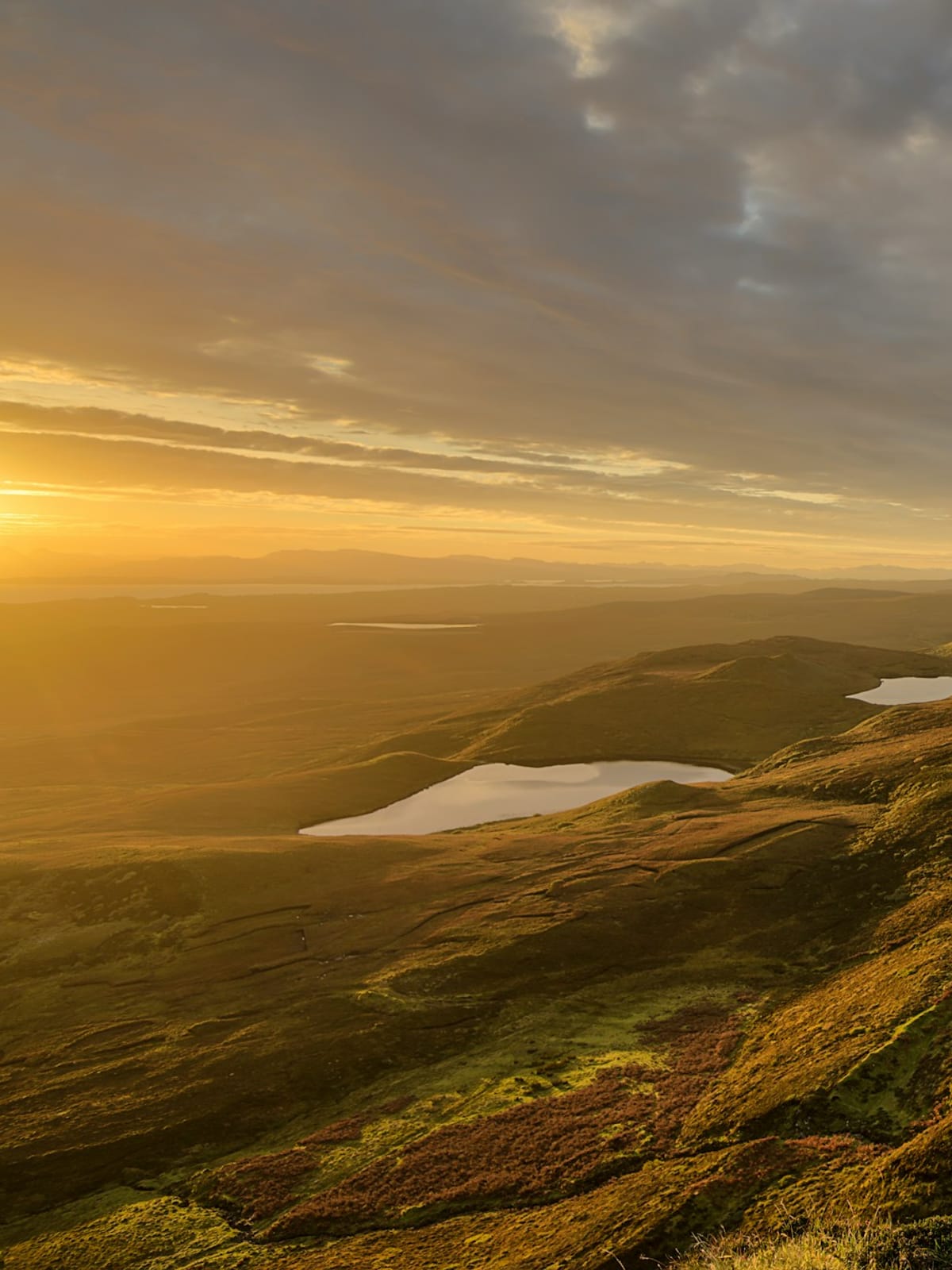
Scotland rewards travellers who come for the emptiness, the castles, and the light. Edinburgh is one of the finest capitals in Europe — a medieval Old Town stacked on volcanic rock and a graceful Georgian New Town spreading to the north. North of the city, the Highlands open out: mountains, lochs, single-track roads, and a density of history that makes every glen feel significant. The Isle of Skye, Loch Ness, Glencoe, and the whisky trails of Speyside are the set pieces, but the real pleasure is often in the smaller lochs, the coastal villages, and the moment when the light breaks through the clouds.
Most visitors base themselves in Edinburgh, then venture north for 4–7 days. The Highlands can be driven in a week, though they deserve longer. Midges (small biting flies) peak mid-summer, so late spring (May) and early autumn (September) are ideal — warm enough to explore, cool enough to avoid the worst swarms.
Why visit Scotland
Scotland is not a postcard destination. It is a place of real weather, complicated history, and landscapes that shift by the hour. The Highlands are among the emptiest in Western Europe — you can walk for hours without seeing another person, just red deer and golden eagles. Edinburgh's Old Town preserves medieval street patterns and gothic spires that survived four centuries of occupation and rebuilding. The castles are real fortresses with real stories: Culloden Battlefield (1746) where the last clan uprising was crushed, Stirling Castle where Mary Queen of Scots was crowned, Dunnottar where the Scottish Crown Jewels were smuggled out in a laundry basket.
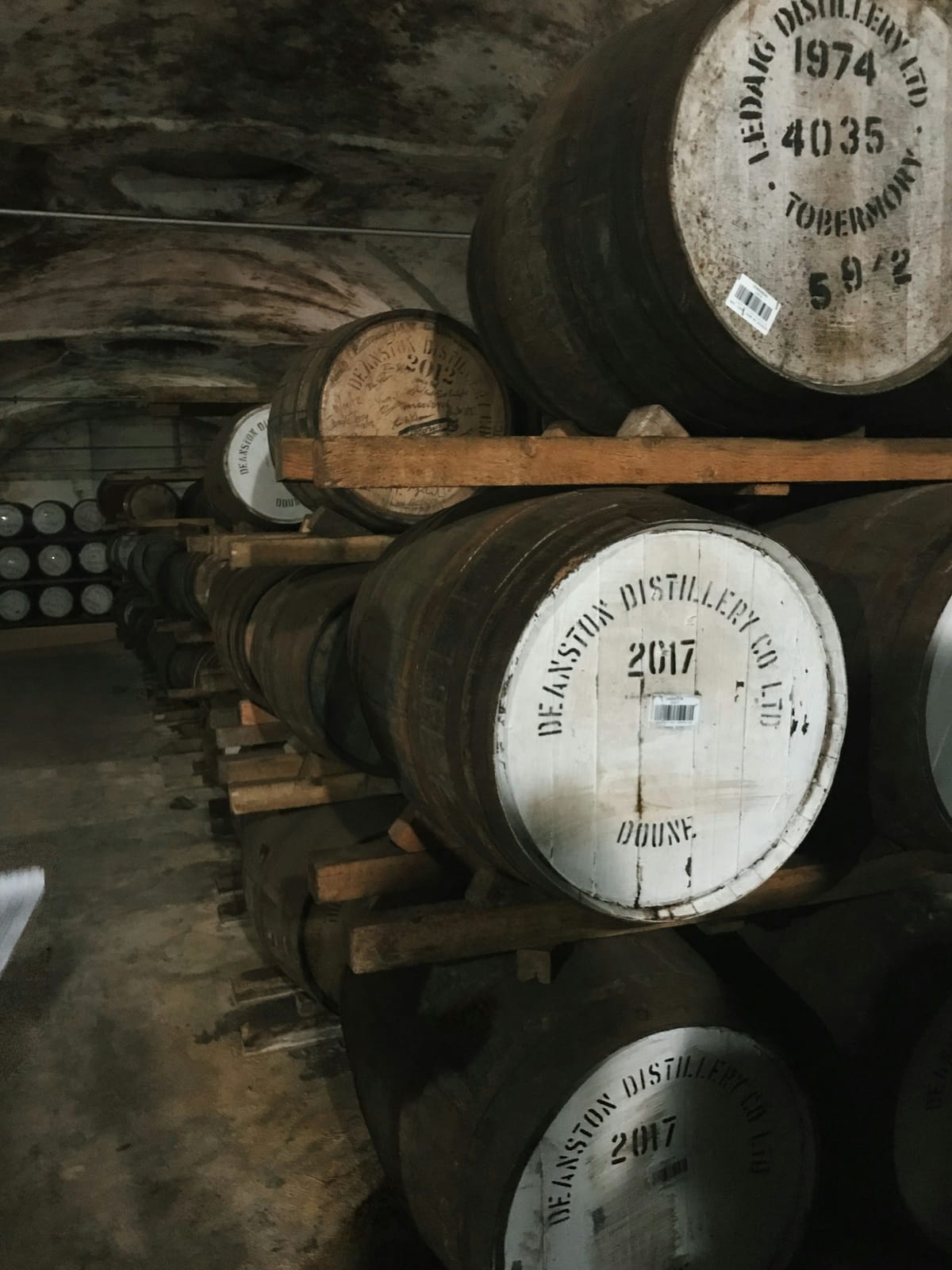
The food is no longer what it was — Scottish cuisine has evolved, with restaurants now using local venison, wild salmon, and Aberdeen Angus beef taken seriously. The whisky is world-class, and a distillery visit on Speyside or Islay moves beyond the marketing into the actual practice of malting, fermentation, and aging. The hospitality is genuine: pubs are social hubs, not tourist traps, and a local guide can turn a glen into a story.
The regions to prioritize
Edinburgh is the essential start — two or three days for the Castle, the Royal Mile, Arthur's Seat, and the Georgian New Town. A first trip should not skip it.
The Central Belt runs west to Stirling Castle (one of Scotland's most important fortresses), then north to Loch Lomond, the largest freshwater loch in the British Isles. Loch Lomond sits at the boundary between the Lowlands and the Highlands and is often the first Highlands experience.
Glencoe is the most dramatic valley in Scotland — a glacial trough surrounded by mountains where the 1692 Massacre of Glencoe took place. The drive through it is essential. Fort William, just beyond it, is the gateway to Ben Nevis (Scotland's highest peak) and the western Highlands.
The Isle of Skye is reached by bridge or ferry from the mainland. It is the most visited Hebridean island and for good reason: the Quiraing (a landslip landscape), the Fairy Pools (mountain streams), the Cuillin mountains, and the colourful harbour at Portree. Two or three nights on Skye break up a longer Highland tour.
Loch Ness and Inverness are the commercial heart of the Highlands. The loch itself is unremarkable except for its depth and its mythology; Inverness is a pleasant market town and a base for exploring Culloden Battlefield (where the 1746 Battle of Culloden ended the Highland clan system) and the Speyside whisky distillery trail.
The Outer Hebrides (Harris, Lewis, Uist) are for a second trip. They are remote, weather-dependent, and require more time.
How many days do you need
| Duration | Route | Realistic? |
|---|---|---|
| 4 days | Edinburgh + day trips to Stirling or Loch Lomond | Yes — but tight. No Highlands overnight. |
| 7 days | Edinburgh, Stirling, Glencoe, Fort William, Loch Ness, Inverness | Yes — the standard Highland circuit. Manageable pace. |
| 8–9 days | Edinburgh, Glencoe, two nights on Skye, Loch Ness, Speyside | Ideal. Enough time to know each place and build in rest days. |
| 10+ days | Edinburgh, Central Belt, both sides of Skye, Speyside, Cairngorms | Excellent. Allows slow travel, a local guide, and flexibility. |
When to go
Late May, June, September, and October are the best months. Daylight stretches until 10 pm in June, which is extraordinary for a landscape this northern. May and September avoid the midges and the summer crowds.
July and August are the peak season. The weather can be excellent, but the Highland roads are busy, hotels fill weeks ahead, and the midges are at their worst. Winter (November–March) brings short days, frequent rain, and many accommodations closing, though it has a moody appeal and the cities are uncrowded.
Spring (March–May) is gentle. The Highlands are waking up and the light is improving every day. Autumn (September–October) brings crisp air, occasional golden light, and the heather in full purple bloom — many consider it the most beautiful time.
Getting around
The Highlands are built for a private driver or a rental car. Public transport exists but is infrequent and slow — the single-track roads demand local knowledge to navigate safely. A driver-guide is the best option because they know where to stop, which glens are worth the detour, and what happened at each castle.
Within Edinburgh, everything is walkable. From Edinburgh, trains reach Stirling (45 minutes), Inverness (3.5 hours), and the far north. Flying into Glasgow is possible, though Edinburgh Airport is more convenient.
The A9 and A82 are the main routes north. The roads are good but narrow in places. Winter weather can close mountain passes — always check conditions before driving.
Practical notes for US and Canadian travellers
Passport: Check the UK's current entry requirements for US and Canadian citizens. A passport valid for six months is typically sufficient for a short stay; a visa is not required. Since 2025, US and Canadian citizens also need an Electronic Travel Authorisation (ETA) before they travel, so verify before you go.
Money: Scotland uses the British pound sterling. The Pound is stronger than the US dollar, so factor that in. Edinburgh and the main towns have ATMs and card payments are standard. Rural areas and smaller villages are increasingly cashless, but it's wise to carry some cash.
Tipping: Tipping is not expected but is appreciated for good service. 10–15% in restaurants if the service charge is not already included; a few pounds in a pub or a taxi is customary.
Language: English is spoken everywhere, though the Scottish accent can be thick in the Highlands. Gaelic place names appear on signs (Loch Gorm, Beinn, Eilean) — pronunciation is intuitive once you know a few rules.
Weather: Scottish weather is famously unpredictable. Rain and wind are possible any month. Pack waterproof layers, windproof jackets, and good walking boots. June can be warm (18°C/64°F) or cool (12°C/54°F). In midwinter you get only about 7 hours of daylight; summer nights never fully darken north of Edinburgh.
Common first-timer mistakes to avoid
Underestimating drive times: The Highlands look close on a map. A drive that appears to be two hours often takes three because the roads are winding and the urge to stop for the view is irresistible.
Skipping the Georgian New Town: Edinburgh's Old Town gets the attention, but the New Town (built from 1766 onward) is the finest example of planned 18th-century city-building in the world. Charlotte Square is extraordinary.
Visiting only Loch Ness: Loch Ness is deep and historically interesting, but Loch Lomond, Loch Katrine, and the smaller lochs in the Trossachs are often more beautiful. The Nessie mythology is a distraction.
Driving the single-track roads too fast: Highland roads have passing places. Use them. The roads are narrow, the edges are soft, and meeting an oncoming car at speed is genuinely dangerous.
Missing the whisky distilleries: A distillery visit is worth it — not for the gift shop, but to understand the water, the malting process, and why a malt from Speyside tastes different from one from Islay. Book ahead; they fill up.
How we plan a Scottish tour
Because every Black Deer Travel trip is private and custom, we build a Scotland itinerary around your interests — the castles, the Highlands, the whisky, the islands, or a mix. A private driver-guide is the best way to explore the Highlands; they know the roads and can adapt the route hour by hour. We book hotels in Edinburgh and the key Highland bases, arrange restaurant reservations in advance, and handle distillery visits so you skip the crowds. Most Scottish tours run April to October, when the passes are open and the light is longest. A real person replies within one working day to discuss what Scotland means to you.
Frequently asked questions
What is the best time to visit Scotland?
May, June, September, and October are the best times to visit Scotland. May and September avoid the midges and summer crowds while keeping the weather mild. June has the longest days (daylight until 10 pm) and September brings crisp air and purple heather in bloom. July and August are busiest and the midges are worst.
How many days do you need to visit Scotland?
Seven to ten days is ideal for a first visit — enough to enjoy Edinburgh and a proper Highland circuit from Glencoe to Loch Ness without rushing. Four days (Edinburgh only) is possible but misses the Highlands; two weeks lets you add the islands and a slower pace.
What is there to do in the Scottish Highlands?
Visit castles (Stirling, Culloden, Dunnottar, Eilean Donan), walk in glens and beside lochs (Glencoe, Loch Lomond, Loch Ness), tour whisky distilleries in Speyside, hike in national parks (Cairngorms), or island-hop to Skye. A private guide can build a route around your interests.
Do I need a car to visit Scotland?
In Edinburgh, no — it's fully walkable. In the Highlands, yes — either a rental car or, better, a private driver who knows the single-track roads, the pass conditions, and where the views are best. Public transport is sparse in the mountains.
Is Scotland expensive?
Scotland is more expensive than Eastern Europe but cheaper than London or Copenhagen. Hotel rooms, meals, and attractions cost roughly as much as a mid-range US city. Whisky tastings and castle entries add up; budgeting for private guides and good hotels will cost more than backpacking but is worth it.
What should I pack for a Scotland trip?
Waterproof jacket, windproof layers, good walking boots, and an umbrella are essential — the weather changes rapidly. In summer, bring lighter layers as it can reach 18°C (64°F). In winter, expect about 7 hours of daylight and temperatures near freezing. Jeans dry slowly in Scottish damp; wool or synthetic fabrics are better.
 Quick cookie chat