
The short answer
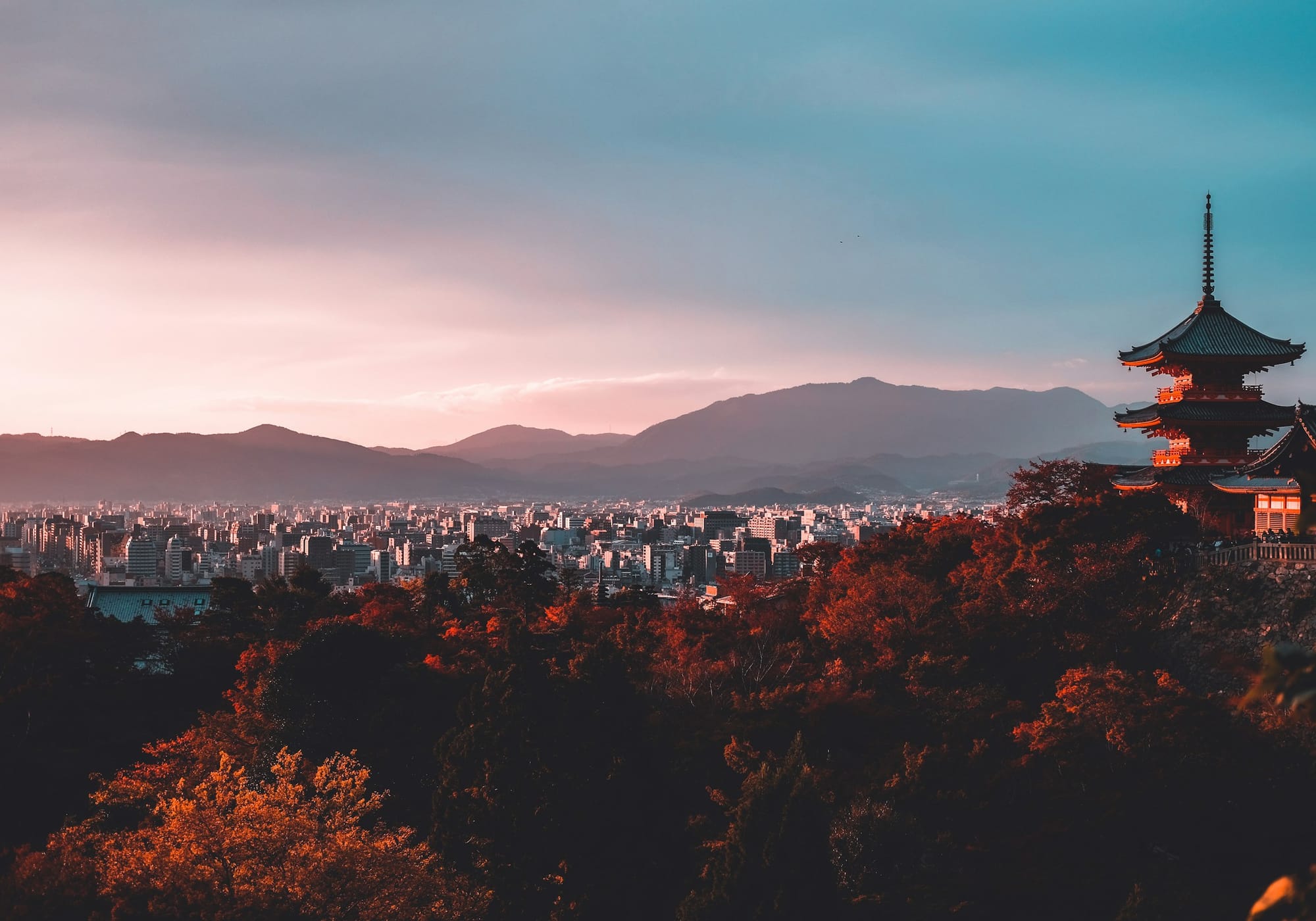
Fourteen days is the minimum time to experience Japan completely rather than approximately. This circuit covers Tokyo (Tokyo's three cultural layers), the Alpine region (Kamikochi, Shirakawa-go), Kanazawa (the unbombed Edo city), Kyoto (the thousand-year capital), Nara (sacred deer and the Great Buddha), Hiroshima (the Peace Memorial and the history), Miyajima (the floating shrine), and Fukuoka (the ancient capital, now a food city) before returning west to Osaka. The Shinkansen bullet train connects most major points in hours, and the journey itself is part of the experience. This is the itinerary for travellers who understand that the quality of attention is the point and are prepared to give it the time it needs.
Day-by-day route
| Day | Base | What you do |
|---|---|---|
| 1 | Tokyo | Arrival, neighbourhood walk, welcome dinner |
| 2 | Tokyo | Senso-ji, Yanaka, Tokyo National Museum, Nezu Shrine, teamLab Borderless |
| 3 | Tokyo | Shibuya, Meiji Shrine, Harajuku, Omotesando, Mori Art Museum |
| 4 | Tokyo | Nikko day trip: Tosho-gu shrine, cedar forests, return to Tokyo evening |
| 5 | Hakone | Hakone Open-Air Museum, Mt Fuji reflection, ryokan with kaiseki dinner |
| 6 | Kanazawa | Shinkansen to Kanazawa, Kenroku-en garden, Kanazawa Castle, the Maeda clan's seat, dinner at the sushi counter |
| 7 | Kanazawa | Higashi Chaya geisha district, Noto Peninsula or sake brewery, the crafts of Kanazawa |
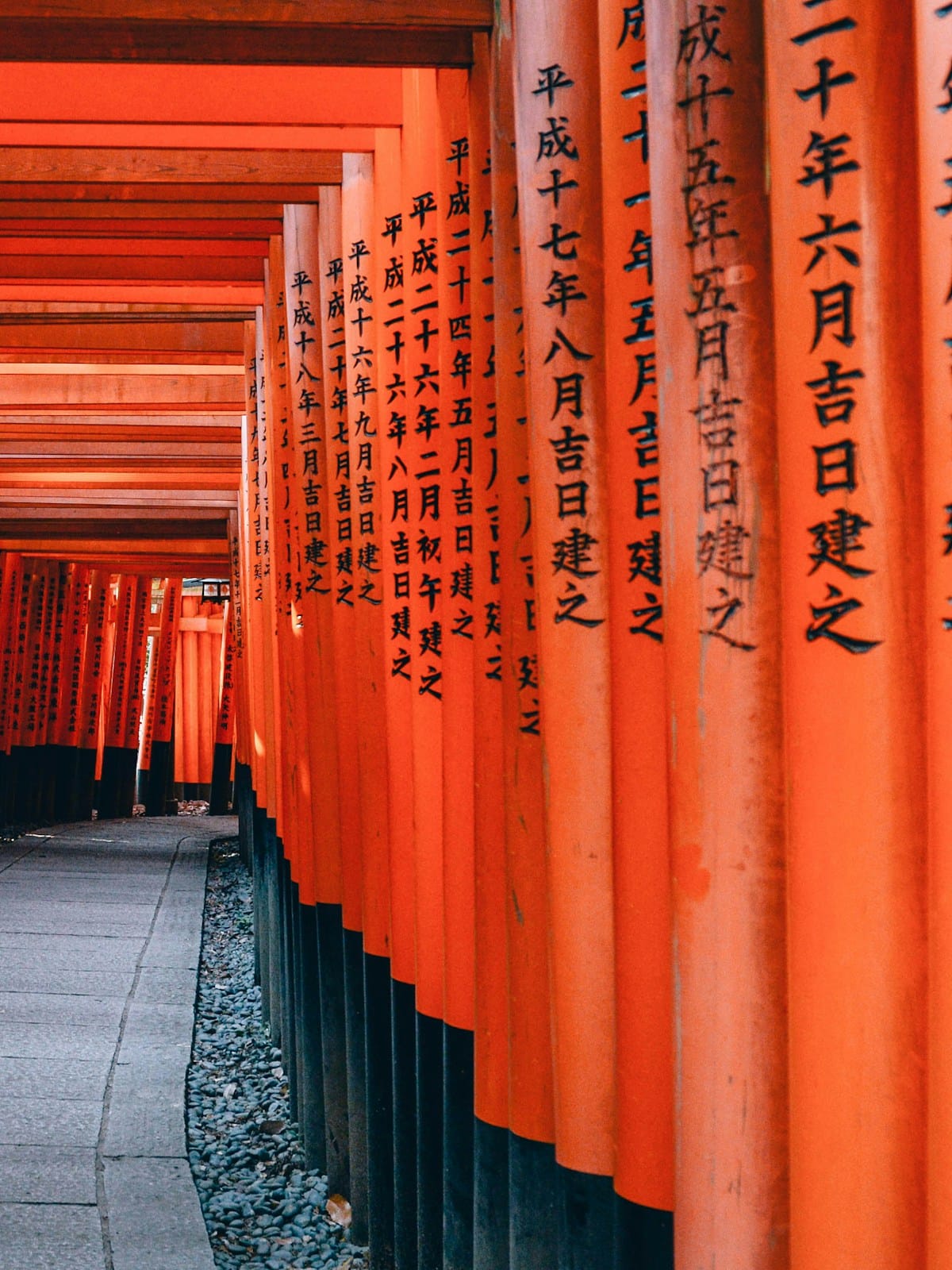
| 8 | Kyoto | Shinkansen to Kyoto, Fushimi Inari's ten thousand torii gates, Gion evening |
| 9 | Kyoto | Arashiyama bamboo, Tenryu-ji Zen garden, Nijo Castle, Nishiki Market |
| 10 | Kyoto | Philosopher's Path walk, silver and gold pavilions, the complete Kyoto temple circuit |
| 11 | Hiroshima | Shinkansen to Hiroshima, Peace Memorial Park, specialist guide on site |
| 12 | Miyajima | Ferry to Miyajima, Itsukushima Shrine, the floating torii gate, island exploration |
| 13 | Fukuoka | Shinkansen to Fukuoka, Dazaifu Tenmangu shrine, yatai street food stalls, castle ruins |
| 14 | Osaka | Shinkansen to Osaka, Dotonbori, final morning at leisure, transfer to airport |
Tokyo (Days 1–4): Three cultural layers
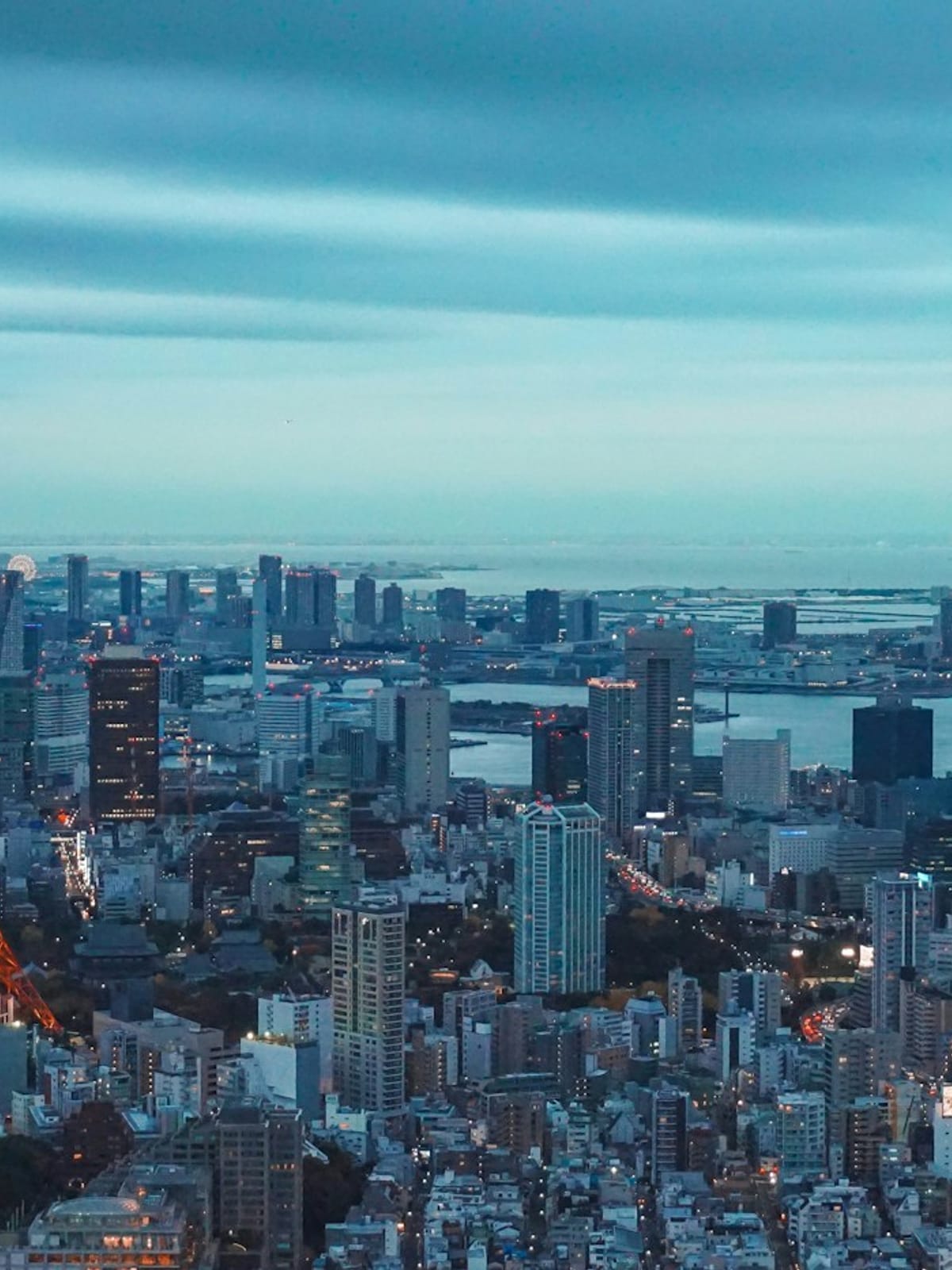
Your private driver meets you at Narita or Haneda. The afternoon at leisure in your hotel neighbourhood. Tokyo announces itself as the world's largest city operating with visible calm and precision. Your specialist guide works across three full days and one day trip.
The ancient layer: Senso-ji temple founded in 645 AD in Asakusa, the Nakamise shopping street, the incense cloud at the main hall. Yanaka, the old merchant quarter that survived the 1923 earthquake and 1945 firebombing, preserving low wooden shophouses and neighbourhood temples. The Tokyo National Museum has the finest Japanese art collection in existence.
The modern layer: Shibuya Scramble (3,000 people crossing simultaneously), Meiji Shrine in the zelkova forest, Harajuku's fashion extremity, Omotesando's designed retail street whose buildings were designed by Tadao Ando, Kengo Kuma, Herzog & de Meuron.
The digital layer: teamLab Borderless at Azabudai Hills — the most celebrated digital art installation in Japan, whose rooms of light and imagery must be experienced rather than described. The evening show from Roppongi Hills tower at 52 floors, looking across Tokyo's absolute flatness. Golden Gai in Shinjuku — 200 tiny bars in six alleys, frequented by Tokyo's film and literature world since the 1950s.
Nikko day trip: the Tosho-gu shrine complex, the 13,000 cedar trees planted in lieu of gold, the three wise monkeys carving, the Rinno-ji temple with three golden Buddhas.
Hakone (Day 5): Mt Fuji and the traditional inn
Hakone is ninety minutes southwest of Tokyo by private vehicle. Ashinoko Lake reflects Mt Fuji in its surface on a clear morning — the image that explains Japan's artistic tradition. The Hakone Open-Air Museum is one of Asia's finest outdoor sculpture collections, with works by Rodin, Picasso, and Henry Moore set in volcanic landscape. The defining experience is the traditional ryokan: tatami rooms, yukata robes, the multi-course kaiseki dinner served in your room, and the onsen bath fed by volcanic water. The etiquette your guide explains in advance is worth the unfamiliarity.
Kanazawa (Days 6–7): The unbombed Edo city
The Shinkansen from Odawara to Kanazawa takes approximately two and a half hours. Kanazawa is Japan's most complete Edo-period city — it was deliberately spared from 1945 firebombing and has the intact castle, geisha districts, samurai quarters, and craft traditions that most Japanese cities lost. Kenroku-en garden is one of the three great gardens of Japan, with ponds, bridges, lanterns, and carefully pruned pines maintained to their 18th-century design. The castle itself sits within its original grounds and moat. Higashi Chaya is the preserved geisha district with machiya townhouses still in use.
Kanazawa is also Japan's finest seafood destination — the Omicho Market and the sushi counters serve everything from the Sea of Japan. Your guide takes you to these markets and to restaurants that source from them. The craft traditions — gold leaf work, indigo dyeing, ceramic production — still operate in the city and can be visited and bought directly from makers. The Noto Peninsula, an hour's drive, preserves coastal villages and traditional fishing culture.
Kyoto (Days 8–10): The thousand-year capital
The Shinkansen from Kanazawa to Kyoto takes approximately two hours. Kyoto was Japan's imperial capital for a thousand years and was deliberately spared from firebombing specifically because of its cultural importance. 1,600 temples, 400 shrines, seventeen UNESCO World Heritage Sites.
Fushimi Inari Taisha: ten thousand vermillion torii gates ascending the mountain. The lower gates are busy; two hours up the forest path is quiet and the forest closes around you. Gion in the evening — the machiya district where maiko still walk to their engagements. Arashiyama's bamboo grove before nine in the morning, the Tenryu-ji Zen garden (considered the finest in Japan), Nijo Castle with its nightingale floors, the Nishiki Market selling pickles and tofu with Kyoto's characteristic precision. The Philosopher's Path walk, the silver and gold pavilions, and the complete Kyoto temple circuit — Kinkaku-ji, Ryoan-ji, Tofuku-ji, and the smaller temples that the guidebooks don't lead you to.
Nara (Day trip from Kyoto): Sacred deer and the Great Buddha
Nara is forty minutes from Kyoto by train. Japan's first permanent capital, established in 710 AD. 1,200 sacred deer roam freely through Nara Park, considered divine messengers since the 8th century. They approach visitors for the special crackers sold throughout the park and eat from your hand with complete indifference to the attention. Todai-ji is the Great Buddha Hall — the largest wooden structure in the world with a bronze Buddha 15 metres tall cast in 743 AD. Kasuga Taisha shrine has 3,000 stone and bronze lanterns lit twice a year. The Isui-en garden frames the Great Buddha Hall perfectly.
Hiroshima & Miyajima (Days 11–12): History and the floating shrine
The Shinkansen from Kyoto to Hiroshima takes approximately two hours. The Peace Memorial Park and Museum are historically significant and emotionally important — a specialist guide with fifteen years on site changes the visit completely. The park is carefully designed with its Cenotaph for the A-bomb victims and the Peace Memorial Museum's detailed documentation of the event and its aftermath.
Miyajima is an island accessible by ferry from Hiroshima (approximately 45 minutes by train and boat). Itsukushima Shrine has the famous floating torii gate that appears to rise from the sea at high tide — one of Japan's most photographed images. The island itself is relatively undeveloped and sacred in its own right, with forest temples, hiking paths, and the specific quality of a pilgrimage destination.
Fukuoka (Day 13): The ancient capital and the yatai
The Shinkansen from Hiroshima to Fukuoka takes approximately one and a half hours. Fukuoka was the ancient capital of Kyushu and is now one of Japan's most energetic food cities. The yatai — street food stalls set up each evening along the riverside — serve yakitori, ramen, gyoza, and the specific Fukuoka dishes that have built the city's food reputation. Dazaifu Tenmangu shrine, about thirty minutes from the city, is the most important Shinto shrine in Kyushu, dedicated to the scholar Sugawara. Fukuoka Castle ruins are set in a park overlooking the city.
Osaka (Day 14): The food city and departure
The Shinkansen from Fukuoka to Osaka takes approximately two hours. Osaka is the anti-Kyoto: loud, commercial, self-deprecating, devoted to food in a way that has its own name — kuidaore, 'eat until you drop'. Dotonbori canal district is the most concentrated food street in Japan: takoyaki, okonomiyaki, kushikatsu, and generations-old restaurants. Osaka Castle sits within the original 16th-century stone walls built by Toyotomi Hideyoshi. Kuromon Ichiba market is the city's kitchen for two hundred years. The morning of day 14 is at your own pace before transfer to Kansai Airport.
What to adjust if you have less time
If you have 11 days instead of 14: Skip Fukuoka and the Miyajima day trip, go straight from Hiroshima to Osaka. Or skip Nikko and Hakone and add a second night each to Kyoto and Kanazawa.
If you have 10 days: This becomes the Ten-Day itinerary — Tokyo, Hakone, Kyoto, and Osaka. Skip the Alps and Hiroshima entirely.
If you have 16–18 days: Add a second night in each major city, visit Hiroshima more thoroughly, add a full day in Fukuoka, or extend Kyoto for the complete temple circuit and villages like Arashiyama, Kurama, and Ohara on multiple days.
How we plan your fourteen-day Japan itinerary
Every Black Deer Travel trip is private and custom. This itinerary is for travellers who understand that the quality of attention is the point and are prepared to give it time. Your guides in each city are locals who can explain what you're looking at and why Japan is the way it is. Your itinerary is built around your calendar, your interests (temples, food, architecture, contemporary art), and your preferred pace. Every day is shaped around you. A real human responds within one working day with a personalised proposal, exact pricing, and the guide's background. No obligation.
Frequently asked questions
Is fourteen days really the minimum for this route?
Yes. Fourteen days allows four nights in Tokyo (with a day trip to Nikko), one in Hakone, two in Kanazawa, three in Kyoto (with a day trip to Nara), two for Hiroshima and Miyajima and one in Fukuoka, ending in Osaka on the way home. Any shorter and you're rushing — the point of this itinerary is that you're not. If you have less time, the Ten-Day or Eleven-Day itineraries are more appropriate.
What is the total Shinkansen travel time?
Approximately 8–10 hours across the two weeks, spread across multiple days. Tokyo to Kanazawa is about 2.5 hours. Kanazawa to Kyoto is about 2 hours. Kyoto to Hiroshima is about 2 hours. Hiroshima to Fukuoka is about 1.5 hours. Fukuoka to Osaka is about 2 hours. Most transfers happen between guide days, so the travel itself becomes part of the experience rather than dead time.
Which cities should I spend the most time in?
Kyoto and Tokyo deserve the most attention: this route gives Tokyo four nights (with a day trip to Nikko) and Kyoto three. Kanazawa and Hiroshima/Miyajima reward two days each. Hakone, Fukuoka, and Osaka can be done in one night if necessary, though a second night in each improves the experience substantially.
When is the best time for this itinerary?
Spring (April–May) has cherry blossoms and mild weather. Autumn (September–October) is many travellers' preference — warm, settled, with thinner crowds. Winter (November–March) is the quietest season but the north is cold and some mountain areas have limited access. Summer is hot inland but beautiful in the mountains and at the coast.
Can I do this itinerary in a different order?
Not easily. The Shinkansen routing means the order is largely determined by geography and train schedules. You could start from Osaka and work backward, or skip Fukuoka and Miyajima to save time, but rerouting significantly adds travel time and complexity.
Do I need a Japan Rail Pass?
A fourteen-day JR Pass would cover all Shinkansen travel and most local trains on this itinerary. It must be purchased before arrival. Whether a pass or individual tickets is more economical depends on your group size and travel dates — we will calculate the exact cost and recommend the best option.
 Quick cookie chat