
The route at a glance
Fly into Tokyo, fly home from Osaka. In between: Tokyo (3 nights) → Kyoto (3 nights), with one Shinkansen ride between them and two day trips, Hakone from Tokyo and Nara from Kyoto. This 7 day Japan itinerary covers the two cities most first-time visitors want, and nothing else. Hiroshima, the Japanese Alps and Osaka's food streets need more time. If you have 10 days or more, see our longer routes; for one week, two bases is the right number.
Day-by-day overview
| Day | Base | What you do |
|---|---|---|
| 1 | Tokyo | Arrive at Haneda or Narita, transfer to the hotel, short evening walk and an early night |
| 2 | Tokyo | Asakusa and Senso-ji in the morning, Ueno or Yanaka in the afternoon, Shibuya Crossing at dusk |
| 3 | Tokyo | Day trip to Hakone: Romancecar train, ropeway over the volcanic valley, boat on Lake Ashi, Fuji if the sky is clear |
| 4 | Kyoto | Morning in Meiji Shrine and Harajuku, then the Shinkansen to Kyoto (about 2 hours 15 minutes), evening in Gion |
| 5 | Kyoto | Fushimi Inari at first light, Kiyomizu-dera, the Higashiyama lanes, Nishiki Market |
| 6 | Kyoto | Day trip to Nara: Todai-ji's Great Buddha, the deer park, Kasuga Taisha; evening back in Kyoto |
| 7 | Osaka | Arashiyama bamboo grove early, then the Haruka express to Kansai Airport (about 80 minutes) |
Tokyo: three nights
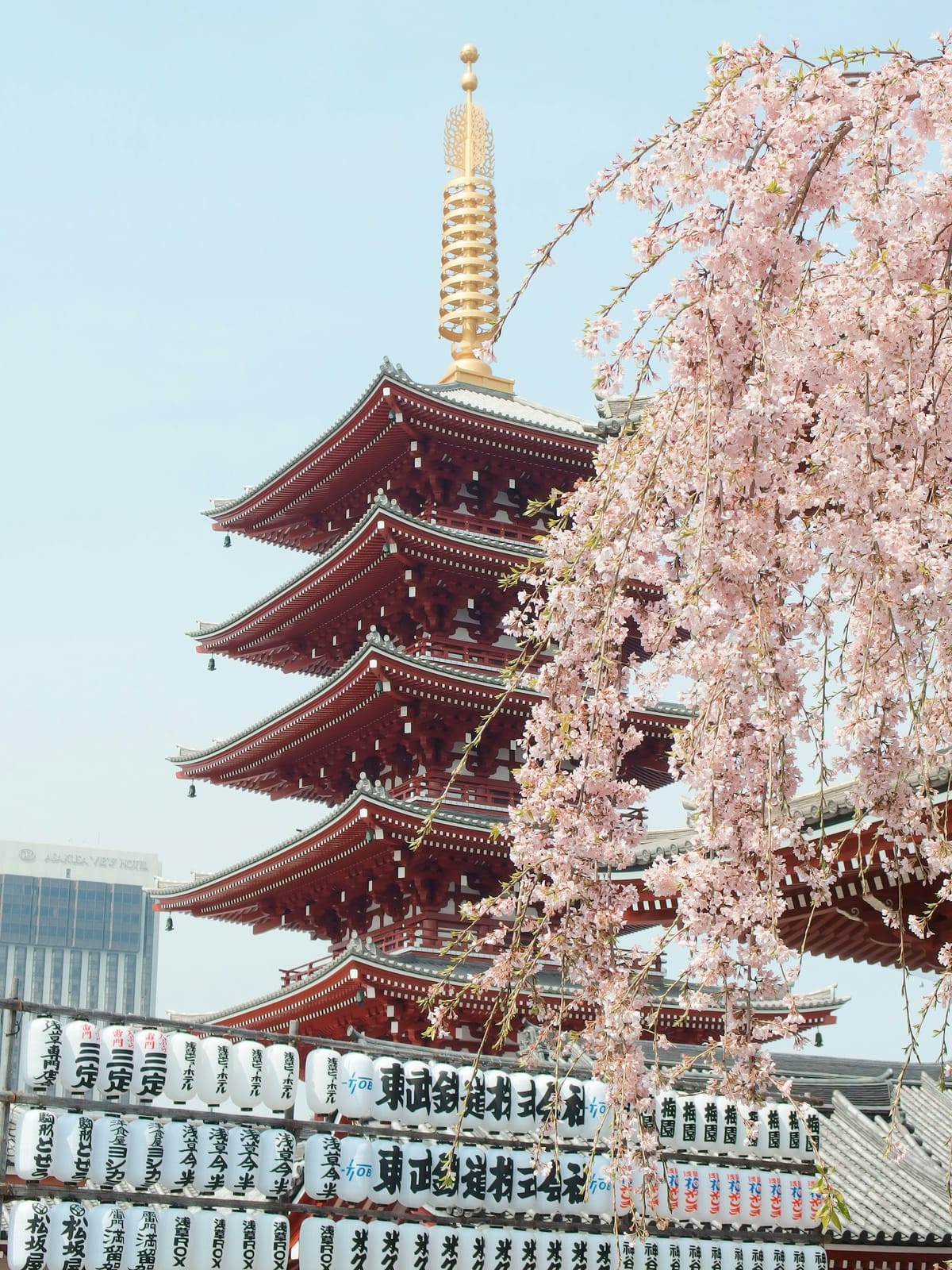
Tokyo is large, and trying to see all of it in three days does not work. Pick a few districts and give each of them time. Day two starts in Asakusa, the oldest part of the city. Senso-ji temple dates to the 7th century, and the approach along Nakamise-dori is busy by 9 am, so arrive early. From there, a short subway ride takes you to Yanaka, one of the few neighbourhoods that kept its low wooden houses and small temples through the 20th century. In the evening, cross Shibuya Crossing, then look down on it from one of the viewing floors nearby.
Day three is the Hakone day trip. The Odakyu Romancecar leaves Shinjuku and reaches Hakone-Yumoto in about 85 minutes. From there, a mountain railway, a cable car and a ropeway carry you over the steaming Owakudani valley to Lake Ashi, where a boat crosses the lake. Mount Fuji is visible on roughly half of the days, and clouds often cover it in the afternoon. Treat the view as a bonus rather than the reason to go. If the weather turns, swap Hakone for Kamakura, an hour south by train, with its giant bronze Buddha and coastal temples.
Back in Tokyo on the morning of day four, Meiji Shrine sits in a forest of 100,000 donated trees beside Harajuku. It is the calmest place in the city before ten o'clock. Then collect your luggage and head for Tokyo Station.
Eating is part of the plan. Tokyo's best meals are often small: a counter of eight seats for sushi or tempura, a ramen shop with a ticket machine, a department store food hall at the end of the day. Hotels and guides can book the counters that take reservations, which matters on a short trip, because the popular ones fill weeks ahead.
Kyoto: three nights
The Tokaido Shinkansen from Tokyo to Kyoto takes about 2 hours 15 minutes on the fastest Nozomi trains. Sit on the right side going west for a chance of Fuji out of the window. Large suitcases are easier to send ahead: Japan's luggage forwarding service delivers bags between hotels overnight, so you travel with a small bag only.
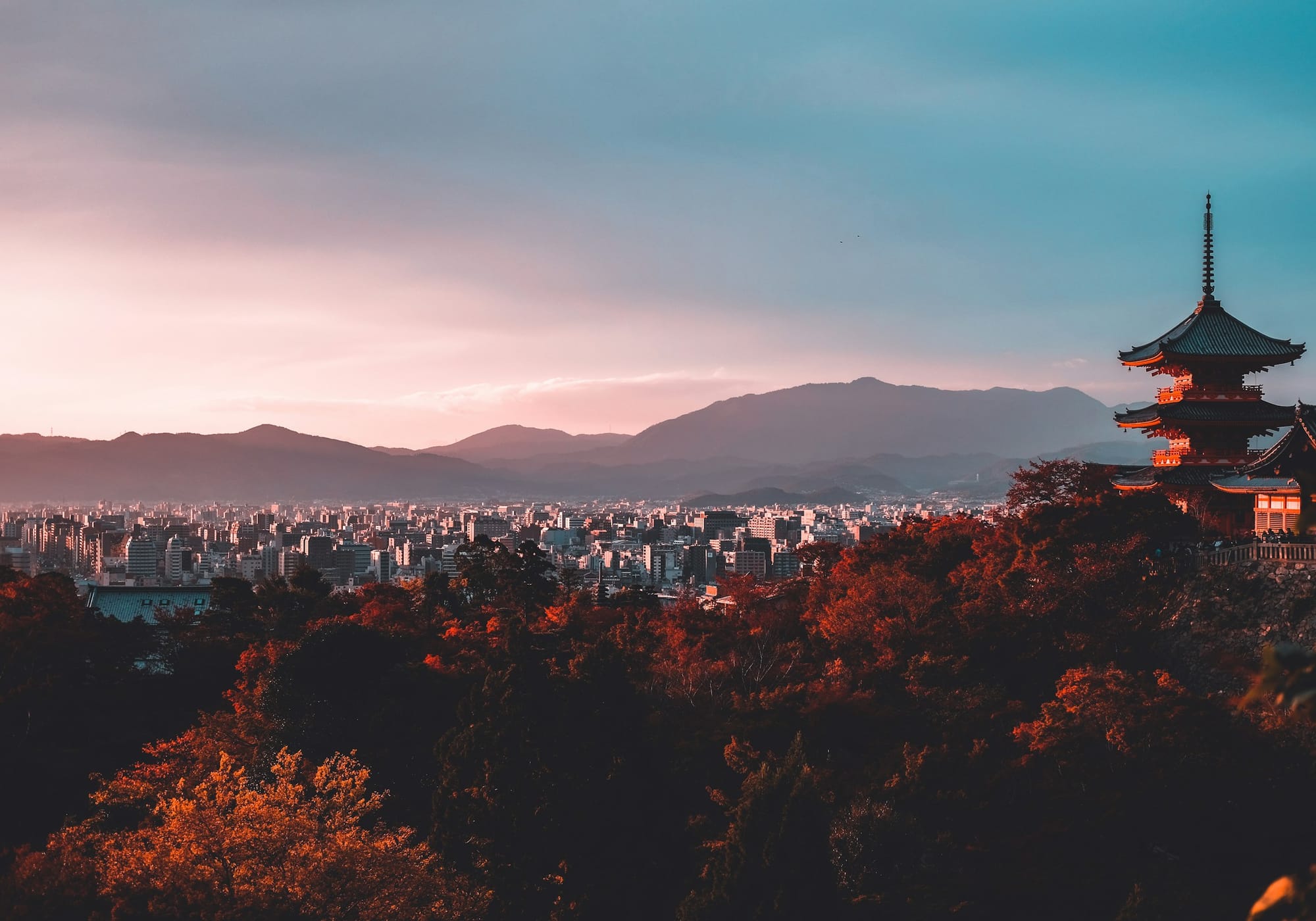
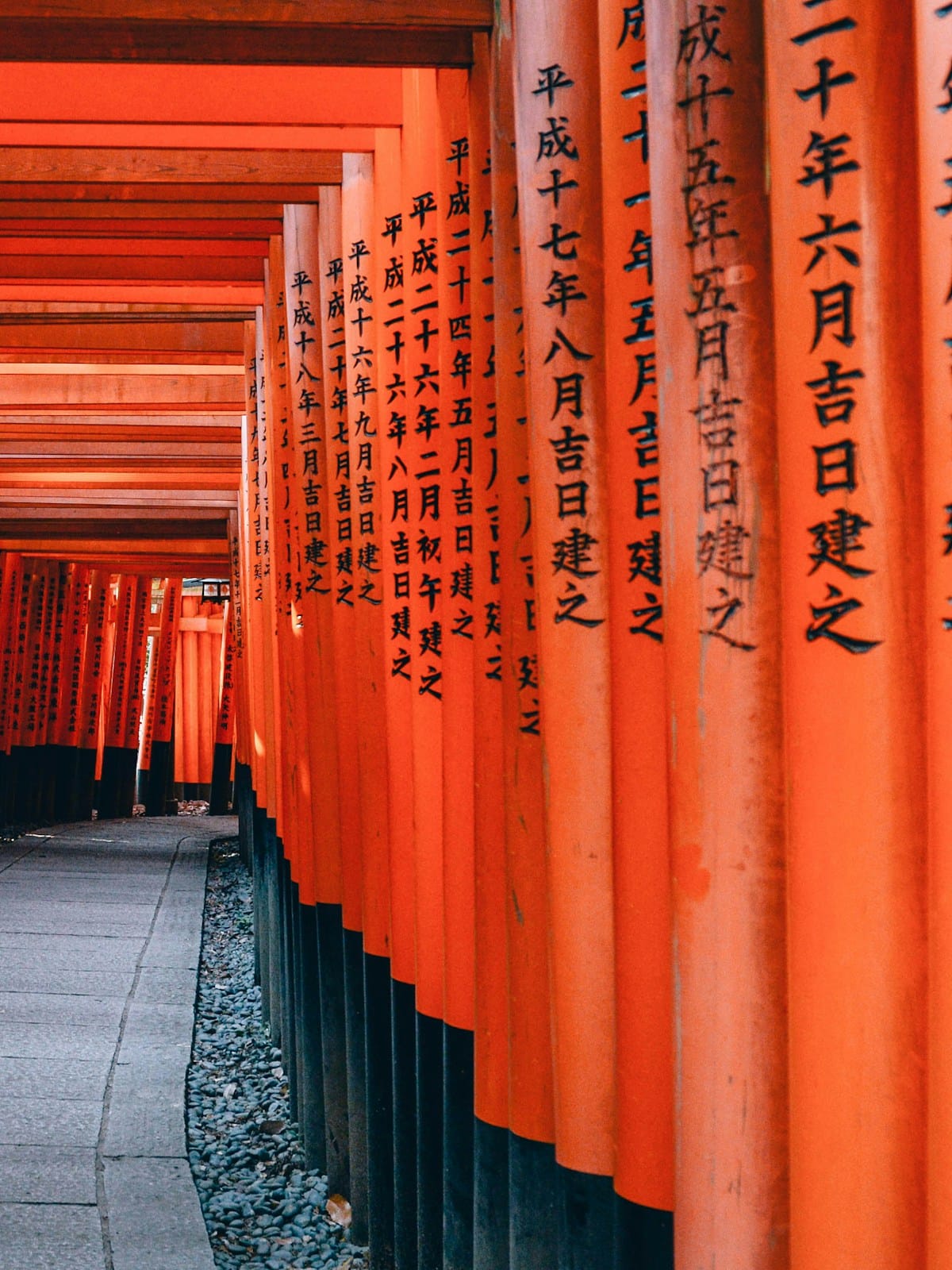
Kyoto was the imperial capital for over a thousand years, and its temples and gardens are spread across the city, so plan each day around one area. Day five is the east side. Start at Fushimi Inari before 8 am, when the paths of red torii gates are quiet. The shrine is open around the clock and free. Then take the train back toward Higashiyama for Kiyomizu-dera, perched on its wooden stage above the city, and walk down through the old lanes of Sannenzaka and Ninenzaka. Finish at Nishiki Market, a narrow covered street of pickles, tofu and skewers, and in the evening walk Gion, where geiko and maiko still walk to appointments around dusk.
Day six is Nara, about 35 to 45 minutes by train from Kyoto. Nara was Japan's capital in the 8th century. Todai-ji's Great Buddha Hall is one of the largest wooden buildings in the world, and the bronze Buddha inside is about 15 metres tall. Around it, tame deer wander the park and bow for the crackers sold at stalls. Walk on to Kasuga Taisha, a shrine lined with stone and bronze lanterns, then return to Kyoto for dinner.
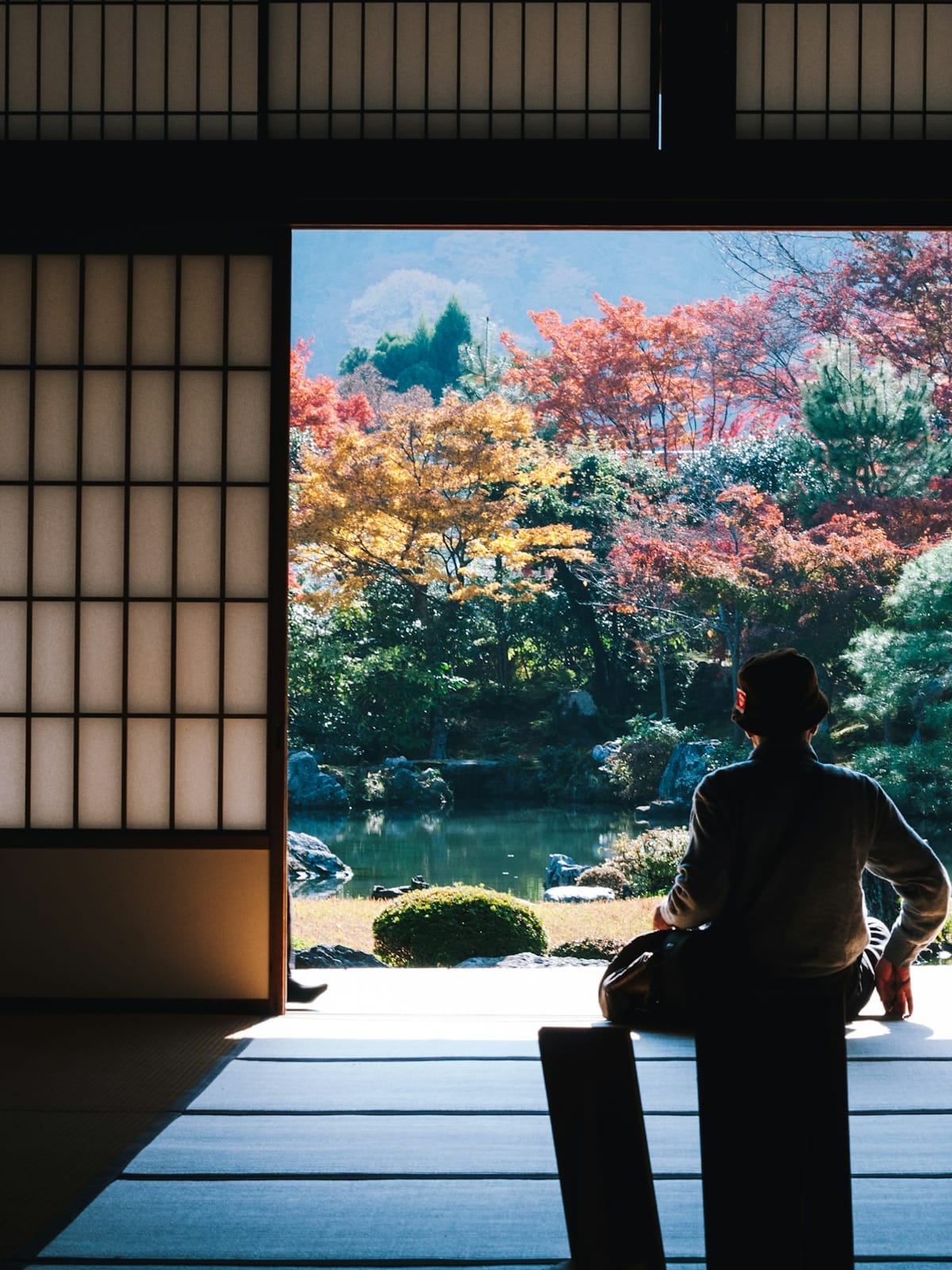
On the last morning, go to Arashiyama on the west side. The bamboo grove is busiest from mid-morning, so go first thing, then visit Tenryu-ji and its garden. The Haruka express runs from Kyoto Station to Kansai International Airport in about 80 minutes, so allow a comfortable margin for an afternoon flight.
Where to stay
Tokyo: Shinjuku or Tokyo Station area for the easiest trains, including the Romancecar and the Shinkansen. Asakusa for older streets and a quieter evening, but it is a longer ride to the west side. Kyoto: near Kyoto Station for early trains and the airport, or in Higashiyama and Gion for walking to the temples at dawn. Most travellers like at least one night in a ryokan, the traditional inn with tatami rooms and a set dinner. Kyoto is the easiest place to fit it in.
When to go
Late March to early April is cherry blossom season, and the most crowded and most expensive time. Late October to early December brings clear days and autumn colour, with Kyoto's maples peaking in mid to late November. Both seasons book out early, so reserve hotels well ahead. May and early October are quieter and mild. The rainy season runs from about early June to mid July, and August is hot and humid. Typhoons are possible from August to October, but they rarely stop a trip for more than a day.
Ways to change the route
Swap Hakone for Nikko if you prefer shrines to mountain views: the Tosho-gu complex is about two hours north of Tokyo. Replace the Nara day with Himeji Castle, the best-preserved castle in Japan, about an hour from Kyoto by Shinkansen. If food matters more than temples, finish with a night in Osaka and skip Arashiyama. Got 9 days? Add a night at a ryokan in Hakone and a night in Osaka, which is the route of our 9-day Essence of Japan tour. Got 10 days or more? Start with the longer circuits that add Hiroshima or the Alps.
How we plan it
We build this route around your dates: airport transfers, Shinkansen seats, a guide in Tokyo and Kyoto, and hotels picked for the train lines you need. Temple and garden timings are set early or late to avoid the tour groups. A real person on our team stays in touch from the first email until you fly home.
Frequently asked questions
Is 7 days enough for Japan?
Seven days is enough for Tokyo and Kyoto with two day trips. It is not enough to add Hiroshima, the Alps or Hokkaido without rushing. For those, plan 10 to 14 days.
How long is the Shinkansen from Tokyo to Kyoto?
About 2 hours 15 minutes on the fastest Nozomi trains, and around 2 hours 40 minutes on the Hikari. Trains leave every few minutes through the day.
Should I fly into Tokyo and out of Osaka?
Yes, if the airfares allow it. It saves a day of backtracking. Kansai Airport is about 80 minutes from Kyoto on the Haruka express.
Can I see Mount Fuji on a 7 day trip?
Sometimes. Fuji is visible from Hakone or from the Shinkansen on clear days, most often in winter and early morning. Summer haze often hides it.
What is the best month for a 7 day Japan itinerary?
Late October to November for autumn colour, or late March to early April for cherry blossom. Both are busy, so book early. May is a quieter, milder option.
 Quick cookie chat