
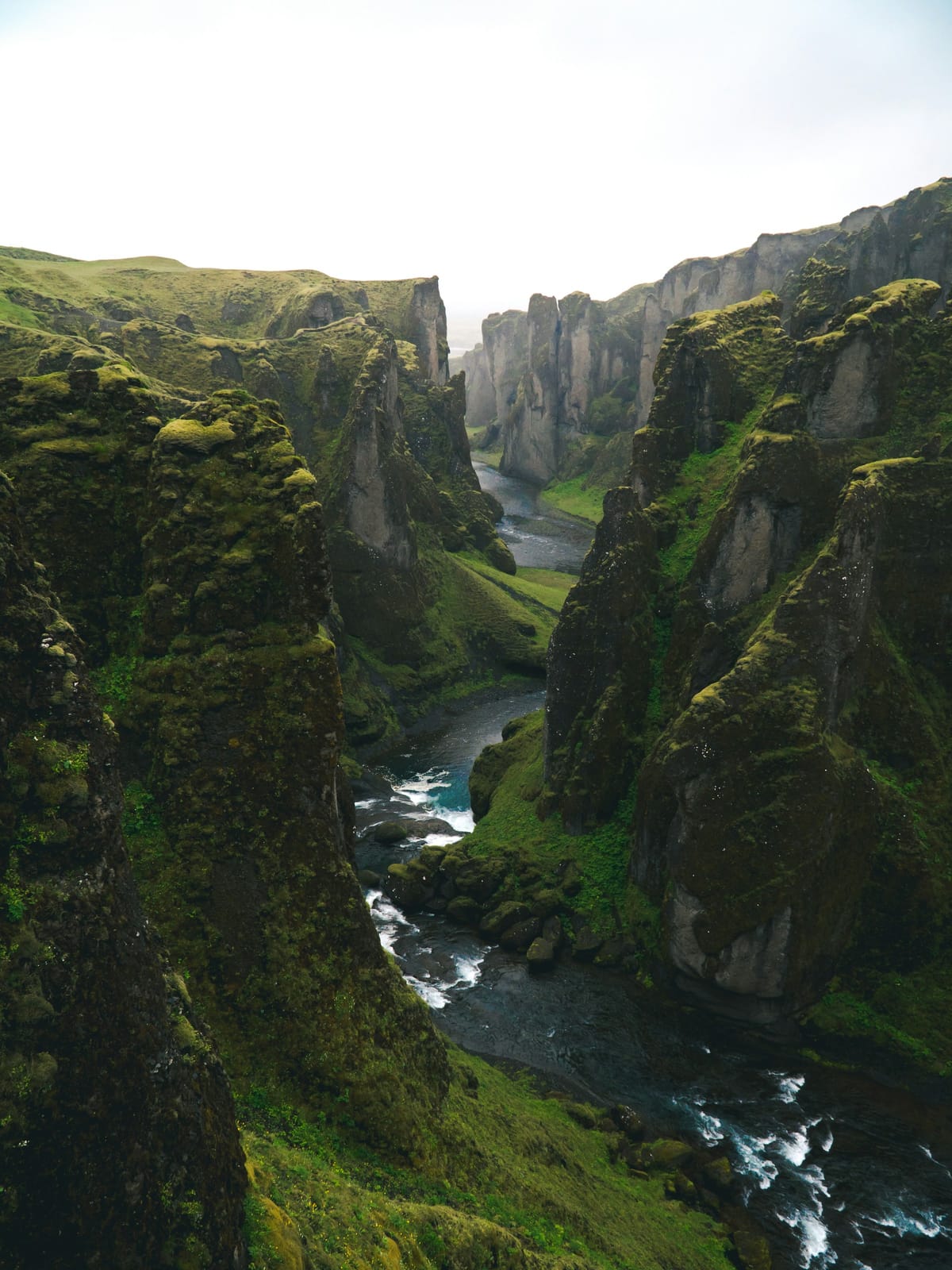
The best time to visit Iceland
The best time to visit Iceland depends on what you want to see. Summer brings midnight sun, open highland roads and puffins on the cliffs. Winter brings northern lights, ice caves and a quieter island. If it is your first trip, summer is the easiest choice. If the aurora is the reason you are going, choose the dark months.
Iceland is small. Reykjavík is the only real city, and most of the island is open country: lava fields, glaciers, waterfalls and farmland. The season matters more here than in most places, because it decides which roads, hours and sights are open.
September sits between the two. Evenings are long again, the first dark nights return, and most roads are still open. For the bigger picture, read our Visit Iceland guide.
Summer: June to August
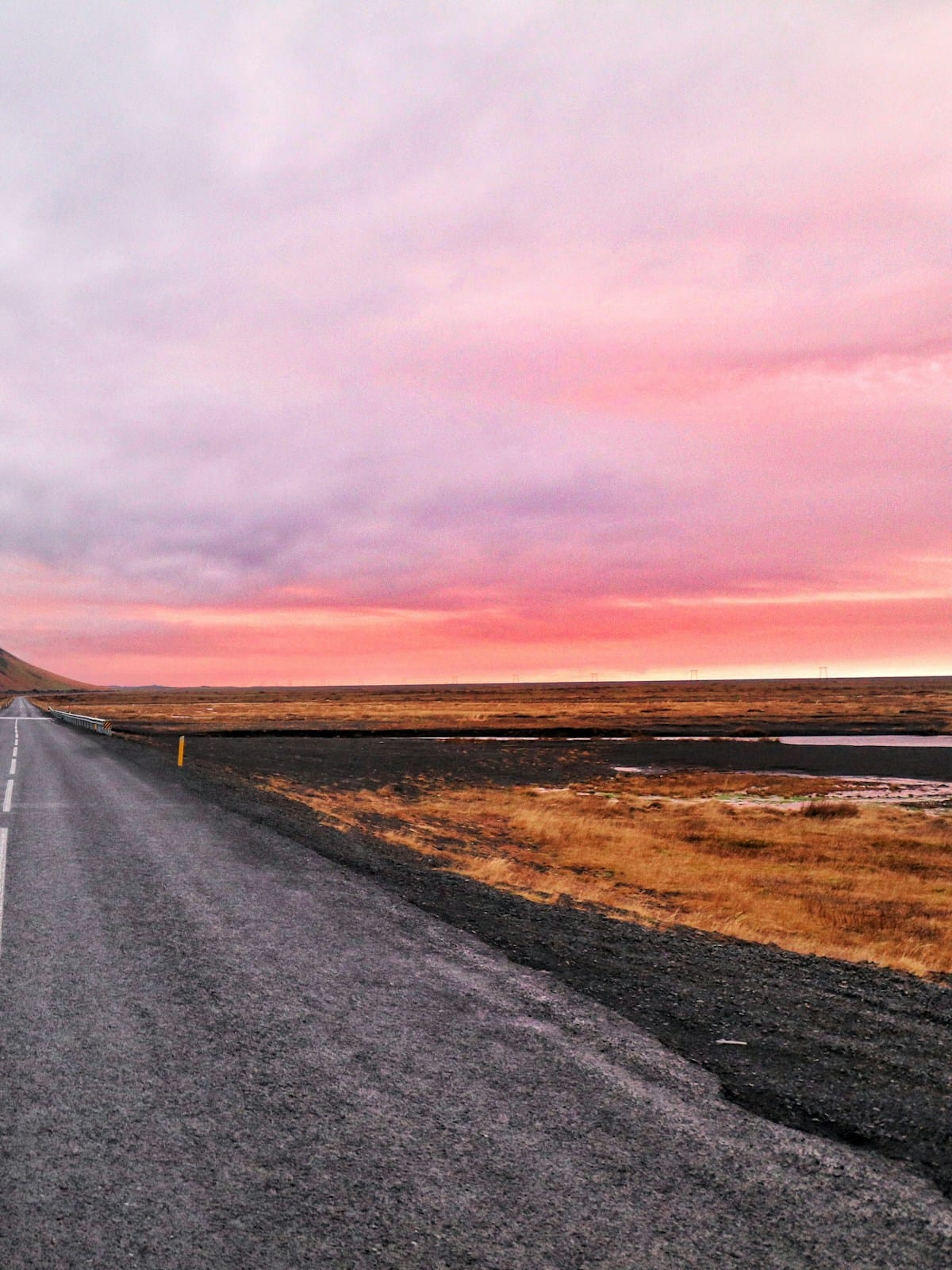
Summer is the easiest time to travel around Iceland. The Ring Road is open, the highland tracks open for the season, and the days are long. In June the sun barely sets in Reykjavík, and in the north it stays up through the night around midsummer.
Puffins nest on the sea cliffs near Vík from about May to August, so June and July give you the best chance to see them. Whale watching from Akureyri also runs through the warmer months, from about spring to autumn.
The trade-off is crowds. The Golden Circle and the south coast waterfalls are busiest from late morning to mid-afternoon. Go early or late in the day, and book hotels outside Reykjavík months ahead. Our Iceland Ring Road tour covers the full circuit in the months when most roads are open.
Expect cool days, not hot ones. Summer highs in Reykjavík are usually 10 to 15°C (50 to 59°F), and the wind makes it feel colder.
Northern lights season: late September to early April
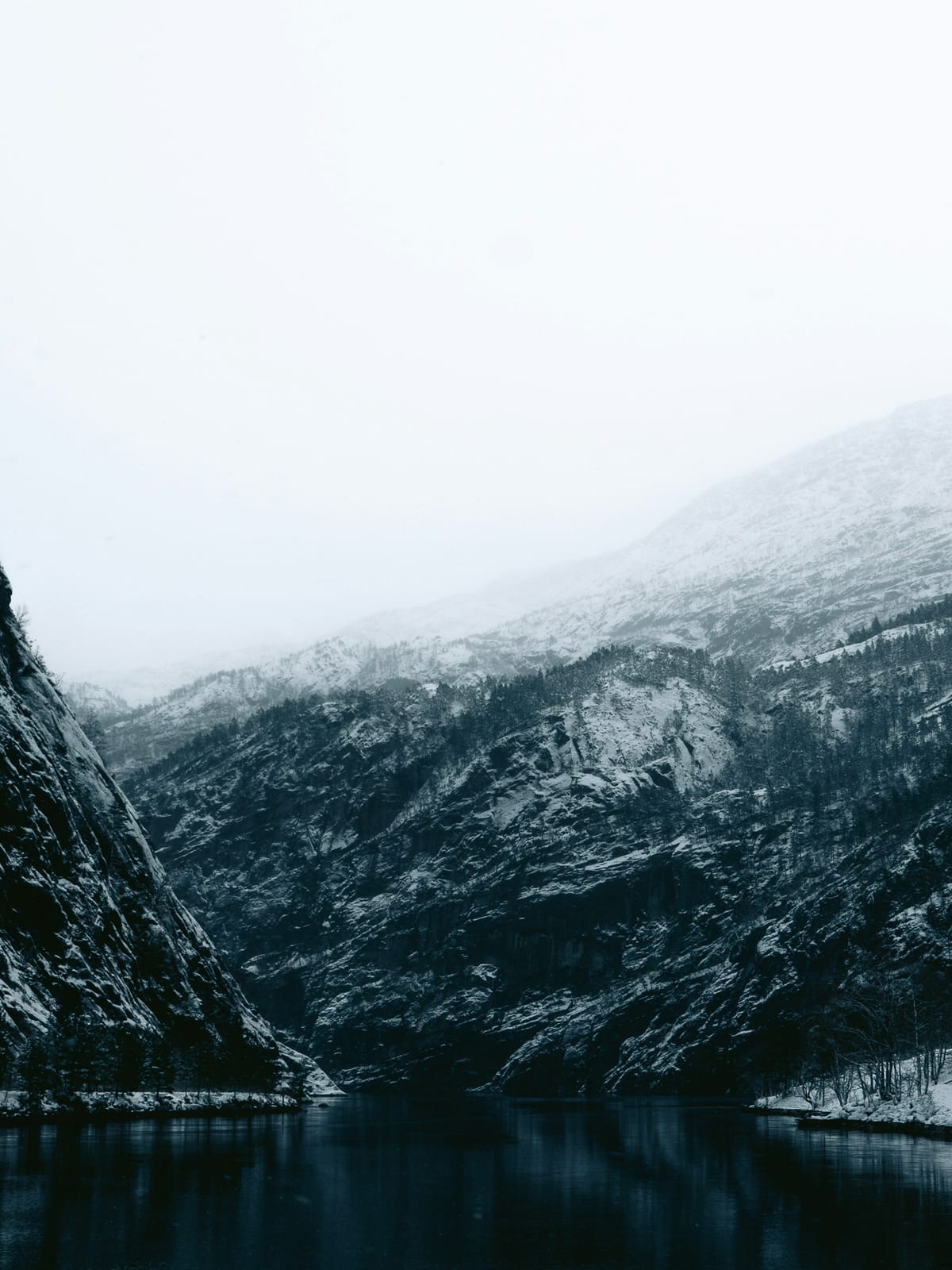
The northern lights are visible in Iceland from late September to early April, when the nights are properly dark. You need two things: darkness and a clear sky. That is why summer is out. In June and July the sky never gets dark enough for the aurora.
The aurora is never guaranteed. It depends on solar activity, cloud cover and how far you are from city lights. A clear night in Reykjavík can be good, but a short drive out of town usually gives a better view. Plan for more than one night, because a single cloudy evening is common.
The darkest months, November to February, give you the most hours to look. Aurora forecasts and cloud forecasts are useful, but they change through the day. Keep your evenings flexible.
If you want to chase the lights in the Arctic, our Norway Fjords and Northern Lights tour runs the search from Tromsø, with an aurora guide and a clear plan for each night.
Winter: short days and changing roads
Winter is dark, cold and dramatic. In December, Reykjavík gets only about four to five hours of daylight, and the sun stays low for most of it.
The roads are the bigger change. The highlands are closed to ordinary vehicles, and parts of the Ring Road can close for snow or strong wind, sometimes for a day. We plan winter routes along the coast, add spare days, and use a private driver and a 4x4 where needed.
Daylight improves quickly from February. By March the days are noticeably longer, and the northern lights still show on clear nights.
The Essence of Iceland tour runs all year, with the Golden Circle, the south coast and the glacier lagoon at Jökulsárlón. In winter, the timing of each day matters more than the sights themselves.
Shoulder seasons: late May, September and October
Late May and September are the easiest shoulder months. Late May has long days and fewer visitors than July, and most roads are open. September has long evenings and the first dark nights, with the Ring Road usually open in full.
October and April can be wintry. Snow is possible inland, some tracks close early, and the weather can change in a morning. These months suit travelers who like quiet places and are happy to adjust the plan as they go.
Ice caves: winter, with a licensed guide
Ice caves form inside glaciers, and in Iceland you can visit them only in winter. Guides go in only when the ice is stable. Conditions change from week to week, so a cave that was open last month may not be open now.
Go only with a licensed local guide. Guides check the ice and the weather on the day and choose the cave. Expect a helmet and crampons, and a steep walk onto the ice in places.
Ice cave trips usually run from late autumn to early spring. Tell us your dates and we will check which guides can run that week, because the season and the ice decide the day.
Weather that changes by the hour
Icelandic weather can change within an hour. Sun, rain, wind and a rainbow can follow one another before lunch.
Wind matters more than cold. In a strong gust a car door can be hard to open, and a waterfall walk can turn miserable in minutes. Check the road and weather forecasts each morning, and be ready to swap a stop for another day.
Build a spare day into your plans if you can. If the forecast turns, a flexible day lets you move a glacier walk or a boat trip to a calmer morning.
Pack a waterproof shell, warm layers, a hat and gloves, even in July. Winter days hover around freezing, 0 to 3°C (32 to 37°F), and feel colder with the wind.
Month by month at a glance
Use this table as a rough guide. Weather in Iceland varies from year to year, so treat each row as a pattern, not a promise.
| Month | Weather | Crowds | Good for |
|---|---|---|---|
| January | Cold, dark, about 4 to 5 hours of daylight in Reykjavík | Low | Northern lights, ice caves, quiet towns |
| February | Cold, days lengthening quickly | Low | Northern lights, winter light |
| March | Cold, snow inland, longer days | Low to moderate | Northern lights, snowy landscapes |
| April | Cool and changeable | Moderate | Longer days, nights still dark early on |
| May | Cool, often bright | Rising | Long days, birdlife returning |
| June | Mild, very long days | Busy | Midnight sun, puffins, the Ring Road |
| July | Mildest, long days | Busiest | Highlands, waterfalls, glacier walks |
| August | Mild, nights start to darken | Busy | Highlands, puffins, first dark evenings |
| September | Cool and crisp, nights returning | Easing | Northern lights begin, golden light, the Ring Road |
| October | Cold, windy, some snow | Quiet | Northern lights, quiet roads |
| November | Cold, short days | Low | Northern lights, guided ice caves |
| December | Coldest, about 4 to 5 hours of daylight | Moderate, busier around the holidays | Northern lights, ice caves, Reykjavík in winter |
How we plan around the seasons
Every Black Deer Travel trip is private, so the route follows your dates, not a fixed departure. In summer we plan the full Ring Road at a pace that gives each region time. In winter we check roads and weather each day, keep to coastal routes where needed, and book guides for the aurora and any ice cave visit.
A week is enough for the highlights. For the full picture, see our 7-day Iceland itinerary and our 10-day Iceland itinerary. The Iceland destination page lists our Iceland tours in one place.
Tell us roughly when you can travel. We will tell you honestly which weeks suit your plans, and what you would miss in the others.
Frequently asked questions
What is the best time to visit Iceland?
June to August is best for the midnight sun, open highland roads and puffins. For the northern lights, go from late September to early April. September gives you a mix of both, with long evenings and the first dark nights.
When is the best time to see the northern lights in Iceland?
Late September to early April, on clear, dark nights. November to February gives the longest nights. The aurora is never guaranteed, because it depends on solar activity and cloud cover.
Is it light all night in Iceland in summer?
Nearly, in June. Around midsummer the sun barely sets in Reykjavík, and the north stays light through the night. The sky is too bright for the aurora in those weeks.
Is Iceland worth visiting in winter?
Yes, for dark skies, snow and the northern lights, as long as you plan for short days and road closures. A private driver with a 4x4 and spare days in the schedule makes winter far easier.
Can you visit ice caves in Iceland?
Yes, in winter, and only with a licensed local guide. Guides check the ice on the day, and conditions can change within weeks. Trips usually run from late autumn to early spring.
 Quick cookie chat