
The short answer
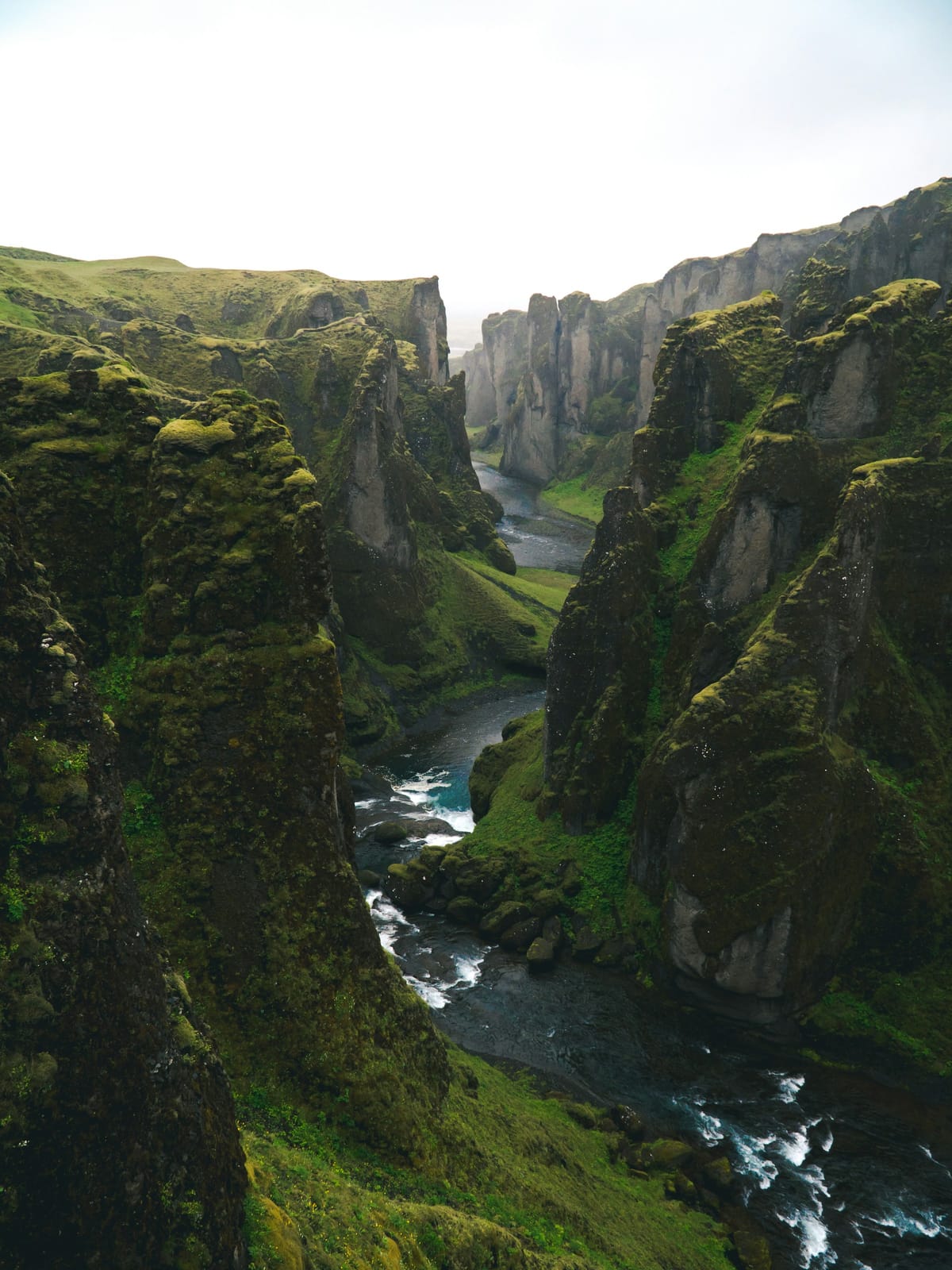
Visit Iceland for landscapes that feel geologically young—because they are. Geysers shoot boiling water from the ground (Geysir, which gave the phenomenon its name). Waterfalls crash into canyons. Glaciers (Vatnajökull covers an area the size of Crete) drop into lagoons of icebergs. Black sand beaches line the south coast. Hot springs bubble at 38°C (100°F) in the middle of lava fields. Reykjavík is compact, culturally rich, and surprising for a capital of fewer than 140,000 people.
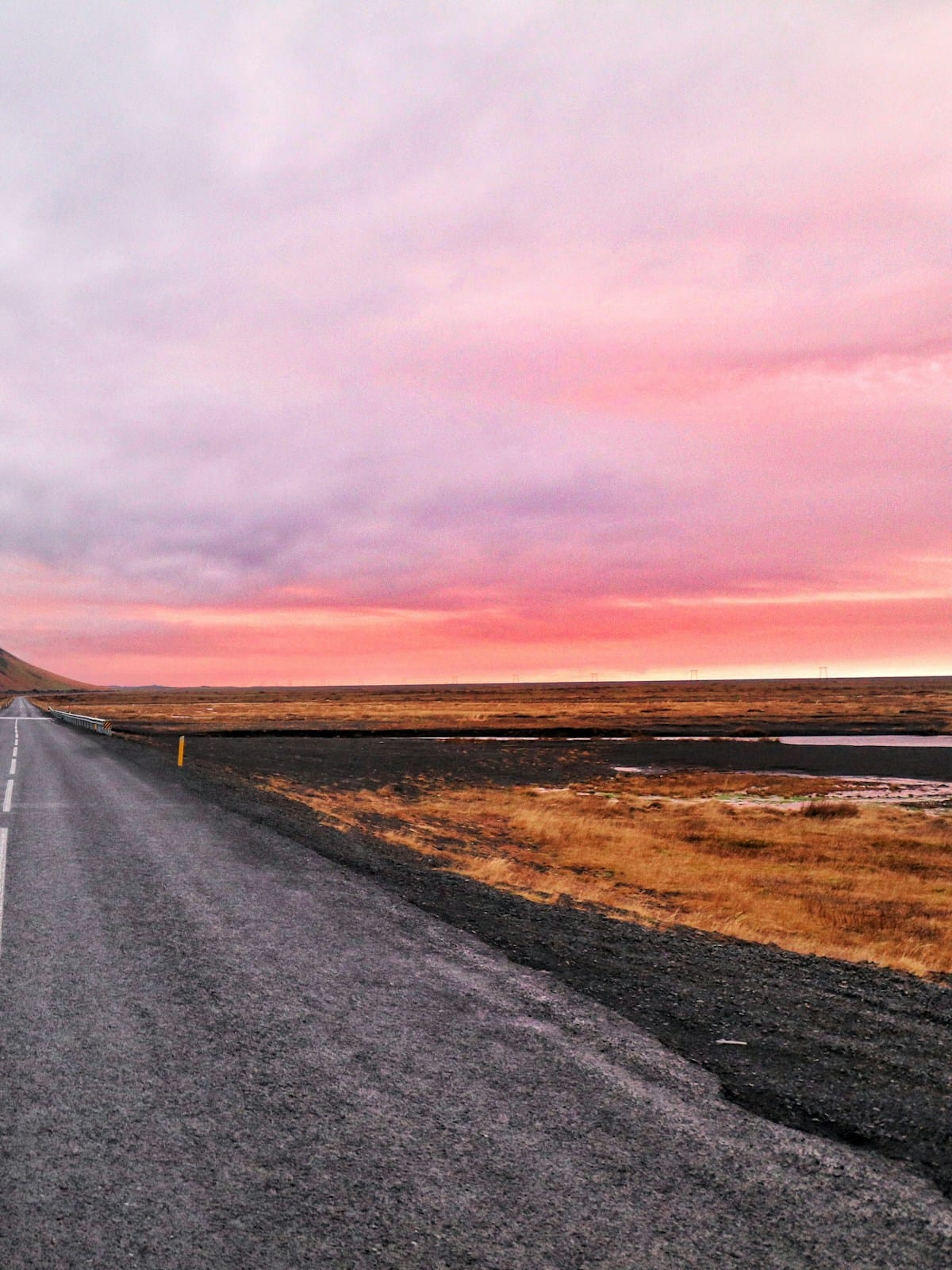
Eight to ten days is enough for the Ring Road—a complete circumnavigation of the island. Most travelers visit May through September, when all roads are passable and the weather is stable. The daylight in June is effectively continuous—the midnight sun becomes literal far north. Winter brings the Northern Lights and fewer tourists, but road closures inland are common and weather is unpredictable.
Why Iceland
Iceland is a geology classroom at life size. The Mid-Atlantic Ridge runs through the island; you can stand in the Þinvellir rift valley where the Eurasian and North American plates are visibly separating. The Geysir hot spring basin shows you boiling mud and steam vents. Waterfalls like Gullfoss and Skógafoss and Seljalandsfoss (the only one you can walk behind) demonstrate erosion. Jökulsárlón glacier lagoon is where calving icebergs float in a meltwater lake, and Diamond Beach (just offshore) is where they wash ashore as chunks of transparent ice.
The Ring Road connects all of this in a 1,332-kilometer loop. In summer, you can drive the entire circuit with stops. In winter, the interior is closed; you make a different loop on coastal roads. Culturally, Iceland is Nordic but distinct—an island where Viking settlement is recent enough that family trees are memorized, where everyone speaks English, and where geothermal energy heats homes and the Blue Lagoon spa sits in the middle of a lava field.
The regions and sites to prioritize
Reykjavík is compact and walkable—the Hallgrímskirkja church dominates views, the national museum covers Viking settlement through modernity, and the restaurant scene is surprisingly sophisticated. Don't miss the National Museum and Perlan (a rotating glass dome with interior gardens and museums). Spend a night or two in the capital to settle in, then venture out.
The Golden Circle is three hours of driving but covers three essential sites: Þinvellir (the rift valley where tectonic plates separate, the ancient parliament, and history collides), Geysir (the geyser basin with Strokkur erupting every 5–10 minutes), and Gullfoss (a massive two-tier waterfall into a canyon). Most travelers do this as a long day from Reykjavík.
The South Coast is where Iceland's most iconic landscapes line Route 1. Seljalandsfoss is a waterfall you can walk behind. Skógafoss is an enormous cascade. Vík is a black sand beach town backed by basalt cliffs. Jökulsárlón glacier lagoon (the most photographed site in Iceland) is where calving icebergs float in a lagoon at the base of Vatnajökull glacier. Diamond Beach, just offshore, is where the icebergs wash ashore and sparkle on black sand.
The Eastfjords and northeast are less visited. Lake Mývatn in the north is volcanic—Dimmuborgir (dark castles) is a lava-flow landscape, and the lake itself is geothermal and good for birdwatching. Goðafoss (Waterfall of the Gods) is powerful and less crowded than the south-coast falls. Akureyri is Iceland's second-largest town and surprisingly charming.
Snæfellsnes Peninsula (west of Reykjavík) is sometimes called Iceland in miniature—a glacier, black beaches, basalt columns, and Kirkjufell (a mountain that looks like an upside-down cone). It's a long day from Reykjavík or a detour on the Ring Road.
How many days in Iceland
Eight days is minimum for the Ring Road at a brisk pace. Ten days lets you linger and take detours. Twelve to fourteen days is ideal—you can do the Ring Road slowly, add Snæfellsnes, and actually absorb each region. Two weeks is perfect if you combine the Ring Road with a northern detour to Akureyri and Lake Mývatn.
| Duration | Route | Pace |
|---|---|---|
| 8 days | Reykjavík → Golden Circle & south coast → Jökulsárlón → Reykjavík | Brisk, hitting the essential sites, 6–7 hours driving most days |
| 10 days | Full Ring Road clockwise with 1–2 night stops per region | Moderate, allows a day in each major area, includes Lake Mývatn |
| 12 days | Ring Road plus Snæfellsnes Peninsula detour | Relaxed, includes time in Reykjavík, the whole Ring Road, and glacier + black beaches on Snæfellsnes |
| 14 days | All of above with longer stops and optional whale watching or extra North Iceland time | Unhurried, no rushing between sites, time for side activities and bad-weather days |
When to visit
May through September is ideal. June, July, and August are warmest and offer nearly continuous daylight (the midnight sun is literal far north). September is golden—fewer crowds, excellent light, and weather still stable enough for the whole Ring Road. Roads are open and passable.
October and April are shoulder seasons with unpredictable weather and some seasonal closures, but lower prices and fewer tourists. April can still have snow inland.
November through March is winter. The interior is closed to regular vehicles; you make a coastal Ring Road loop. The Northern Lights appear in clear nights. The weather is cold and dark—December and January have only 4–5 hours of daylight. It's dramatic but not for everyone. February and March see slightly longer days and the lights are still visible on clear nights.
Getting around
You'll need a car on Iceland. The Ring Road is paved and well-maintained in summer; in winter, the interior is closed but coastal roads remain passable (with care). We arrange a private driver and 4x4 vehicle (or standard car in summer) for the entire Ring Road. Reykjavík has taxis and buses, but once you leave the capital, you're dependent on a private vehicle or tour coach.
Distances are deceptive. Reykjavík to Vík on the south coast is about 2.5 hours of driving without stops. Vík to Jökulsárlón is another 2.5 hours, and with waterfalls and viewpoints on the way, each leg easily fills a day. Jökulsárlón to Akureyri in the north is about 6 to 7 hours. Road 1 is scenic but winding, and the speed limit is 90 km/h (about 55 mph), so real averages are lower. We plan 4–5 hours of driving per day, with multiple stops for sites and photography.
Flights: Keflavík International Airport is 50 kilometers southwest of Reykjavík; we arrange private transfers. Domestic flights exist (Reykjavík to Akureyri) but the Ring Road makes them unnecessary unless you're time-constrained.
First-timer mistakes to avoid
Don't do the Ring Road in one day or two—it's 1,332 kilometers and you'll miss everything. Eight days minimum. Don't pack light—weather changes fast. Bring waterproof jacket and pants, thermal layers, and sturdy footwear even in summer. Don't assume the Blue Lagoon is a natural hot spring (it's geothermal wastewater, but it's warm and famous). Book tickets ahead if you want to go. Don't rent a regular car for winter travel inland; roads close and you need 4x4. Stick to coastal roads or book a private driver. Don't skip the east and north coasts thinking they're boring—Jökulsárlón, Lake Mývatn, and Akureyri are less visited and visually stunning. Don't visit without checking road conditions (the Icelandic Road and Coastal Authority website is essential) or the weather forecast—conditions change hourly.
Practical notes for US and Canadian travelers
US and Canadian citizens need a valid passport for entry to Iceland (valid for six months beyond your stay). You do not need a visa for stays under 90 days—check your government's travel advisories for the latest. Currency: Iceland uses the Icelandic króna (ISK). ATMs are plentiful; bring a credit card with no foreign-exchange fees, as many businesses are cashless. Reykjavík especially operates on cards. Language: English is universally spoken and understood—signs, restaurants, shops, and tourist facilities are English-friendly. You'll navigate easily. Tipping: Service is included in restaurant bills; tips are not expected but are appreciated for exceptional service (round up or 5–10%). Emergency: Iceland is safe; emergency number is 112.
How we plan your Iceland trip
Because every Black Deer Travel trip is private and custom, we build your Iceland itinerary around the season and your pace. In summer, we arrange the full Ring Road with private driver and a pace that lets you actually see each region. In winter, we confirm road conditions, book coastal routes, and arrange Northern Lights chase guides with clear-sky forecasting. We book accommodations along the route (small towns and lodges, not big hotels), arrange every site ticket (Jökulsárlón, the Blue Lagoon, Þinvellir), and give you a driver who knows which pullouts have the best light and which towns have the best restaurants. Tell us your dates and your interests, and we'll build an Iceland route that makes the long drives and dramatic landscape feel like time well spent.
Frequently asked questions
What is the best time to visit Iceland?
May through September offers stable weather and long daylight. June and July are warmest but busiest. September is ideal—fewer crowds, golden light, roads still open, and stable weather. November through February brings the Northern Lights but winter weather and some road closures.
How many days do I need for Iceland?
Eight days covers the Ring Road at a brisk pace, hitting the essential sites. Ten days is better. Twelve to fourteen days is ideal—you can complete the Ring Road slowly, add Snæfellsnes, and actually absorb each region without rushing.
Can I drive the Ring Road myself?
Yes, in summer (June–September) with a rental car on paved roads. In winter, you need 4x4 and local knowledge. We recommend a private driver year-round—it means you see views instead of watching the road and you get the insider knowledge of routes and stops.
What is Jökulsárlón and why is it famous?
Jökulsárlón is a glacier lagoon where icebergs calved from Vatnajökull (Europe's largest glacier) float in meltwater. Diamond Beach, just offshore, is where the icebergs wash ashore on black sand. It's the most photographed site in Iceland and worth the long drive to the southeast.
Is the Blue Lagoon worth visiting?
It depends. The Blue Lagoon is geothermal wastewater (not a natural hot spring), but it's warm (38°C / 100°F), silica-rich, and feels luxurious. It's crowded and expensive, but many travelers enjoy it. We can book it or skip it depending on your interests.
Can I see the Northern Lights in Iceland?
Yes, in winter (November–March) with clear skies. November and February–March offer more daylight and fewer total dark hours than December–January. Success is never guaranteed—it's a forecast-dependent game. You need clear skies and low light pollution.
 Quick cookie chat